5 Open-Source OSINT Tools to Audit Your Digital Footprint and Attack Surface
A practical guide to five open-source OSINT tools—Blackbird, Maigret, SpiderFoot, theHarvester, and Shodan—for defensive self-auditing of exposed accounts, cred
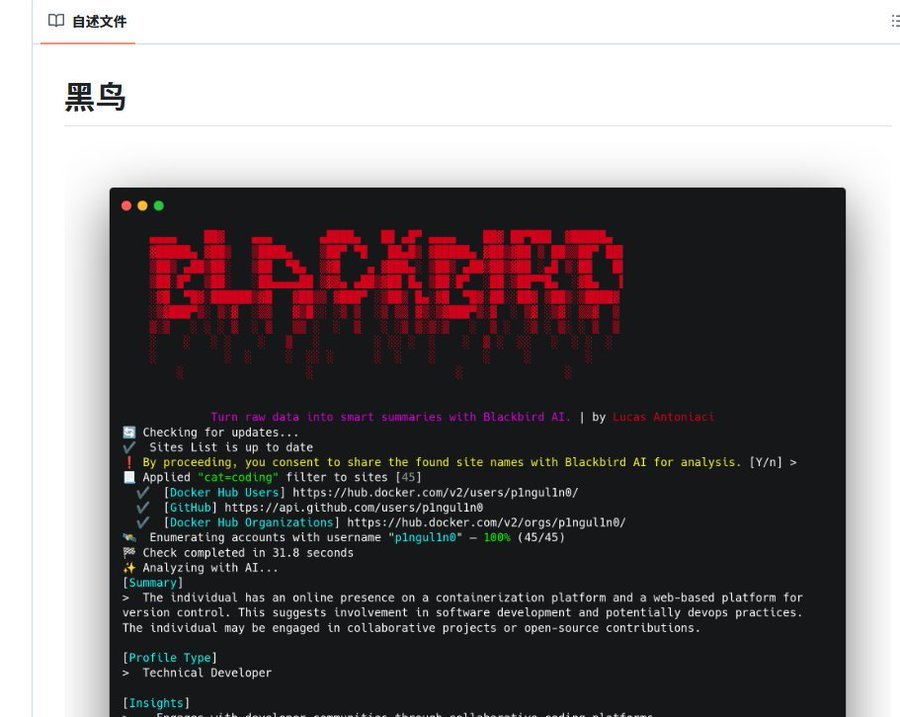
On October 5, 2026, cybersecurity researcher Abida Jule (@I_am_Aiabir) shared a breakdown of five free and open-source OSINT (Open Source Intelligence) tools designed to help individuals and organizations map out their public digital footprints and identify exposed attack surfaces before adversaries can exploit them. Framed strictly as a defensive self-audit playbook rather than an offensive doxxing toolkit, the compilation highlights essential utilities for identifying forgotten accounts, leaked credentials, and vulnerable internet-facing network hardware.
Image source: @I_am_Aiabir / X
Open-source intelligence tools leverage publicly accessible information across the web to build structured profiles. While these methods mirror the playbook employed by cyber investigators and red-team penetration testers, their most critical application for developers, privacy advocates, and security teams is proactive defense. Forgotten alternative profiles, historical credential dumps circulating on the dark web, and network devices operating with default factory credentials create an invisible surface for unauthorized access. The five highlighted tools each target distinct layers of this reconnaissance surface.
Username and Identity Reconnaissance Tools
The first line of self-auditing begins with account identification, tracing where specific handles, nicknames, and email addresses have been registered across the web.
- Blackbird (GitHub 7.3k Stars): Searches across 600+ platforms simultaneously using a single username or email address. Once the scan is complete, it generates a free AI-powered profile summary exported in PDF format. Because it operates cleanly without intricate initial configuration, Blackbird serves as the recommended entry point for users taking their first steps into personal OSINT auditing.
- Maigret (GitHub 35.6k Stars): Designed as an advanced utility for username-centric investigations, Maigret covers an extensive catalog of 3,000+ platforms. Its standout capability is recursive chasing. If the tool identifies an alternative account (alt account) or linked profile handle on a discovered site, it automatically branches out, drilling down recursively through downstream platforms to map out the entire alias network.
Attack Surface Mapping and Enterprise Footprinting
Moving beyond individual usernames, broader organizational audits require tools that aggregate domains, IP ranges, and leaked enterprise credentials.
- SpiderFoot (GitHub 22k Stars): A heavy-duty reconnaissance automation framework capable of ingesting phone numbers, email addresses, domains, and IP subnets. SpiderFoot fires over 200 integrated modules concurrently to cross-reference known data breach databases, dark web records, and unmapped subdomains. It summarizes findings within an interactive visual relationship map, allowing analysts to quickly spot dangerous data links and external dependencies.
- theHarvester (GitHub 17k Stars): Given an enterprise domain, theHarvester queries over 40 public search engines and indexes—including Google, Bing, LinkedIn, and DNS servers—to extract employee email formats, subdomains, host IPs, and exposed URLs in bulk. It is widely considered an indispensable starting point for organizational footprinting, helping IT administrators see exactly what employee telemetry is exposed to threat actors.
Exposed Network Infrastructure and Hardware Auditing: Shodan Python
Digital footprinting extends beyond web accounts into hardware appliances exposed directly to the public internet.
- Shodan Python (GitHub 2.4k Stars): The official Python client library for Shodan, the search engine that scans the web for connected webcams, routers, industrial control systems (ICS), servers, and printers. With this library, engineers can programmatically query the Shodan database to continuously monitor their infrastructure perimeter.
A persistent security challenge among small businesses, remote workers, and homelab operators is that network-attached storage (NAS) units, surveillance cameras, and smart office equipment often run with factory-default login credentials and default configurations. Shodan indexes these exposed endpoints within minutes of deployment. Users frequently assume their internal hardware is shielded behind residential or commercial routers, yet default configurations and unmonitored exposures frequently leave internal devices accessible to the outside world.
Practical Steps for a Defensive Self-Audit
Abida Jule notes that the primary rule of engaging with these intelligence tools is defensive hygiene: run them on your own perimeter first to see what is exposed before attempting to secure it.
- Step 1 (Deactivate Dormant Accounts): Feed your legacy usernames and secondary email addresses into Blackbird and Maigret. Review discovered registrations, close abandoned services, and remove sensitive personal profile details from public boards.
- Step 2 (Verify Credential Leaks): Submit your domain or primary address to SpiderFoot to check whether past organizational breaches or dark web databases contain linked hashes or plaintext passwords, and enforce multi-factor authentication (2FA) wherever possible.
- Step 3 (Audit Connected Network Hardware): Use Shodan Python to inspect your external public IP block. Verify that home NAS devices, security cameras, and admin portals are not openly reachable from the public internet without an encrypted VPN tunnel, and update all factory-default administrative credentials immediately.
- Step 4 (Mitigate Targeted Phishing): For company administrators, run theHarvester on your corporate domain to catalog employee email addresses exposed across social platforms and search engines, updating email filtering rules and strengthening spear-phishing defenses accordingly.