‘Unaired 90s TV Drama’ AI Video Direction: Creating Viral Hits with 35mm Film Grain and Fairy Tale Parodies
How 35mm film grain and vintage soft lighting mask synthetic AI artifacts, while dialogue-minimal visual comedy drives millions of views in 25-second retro fair
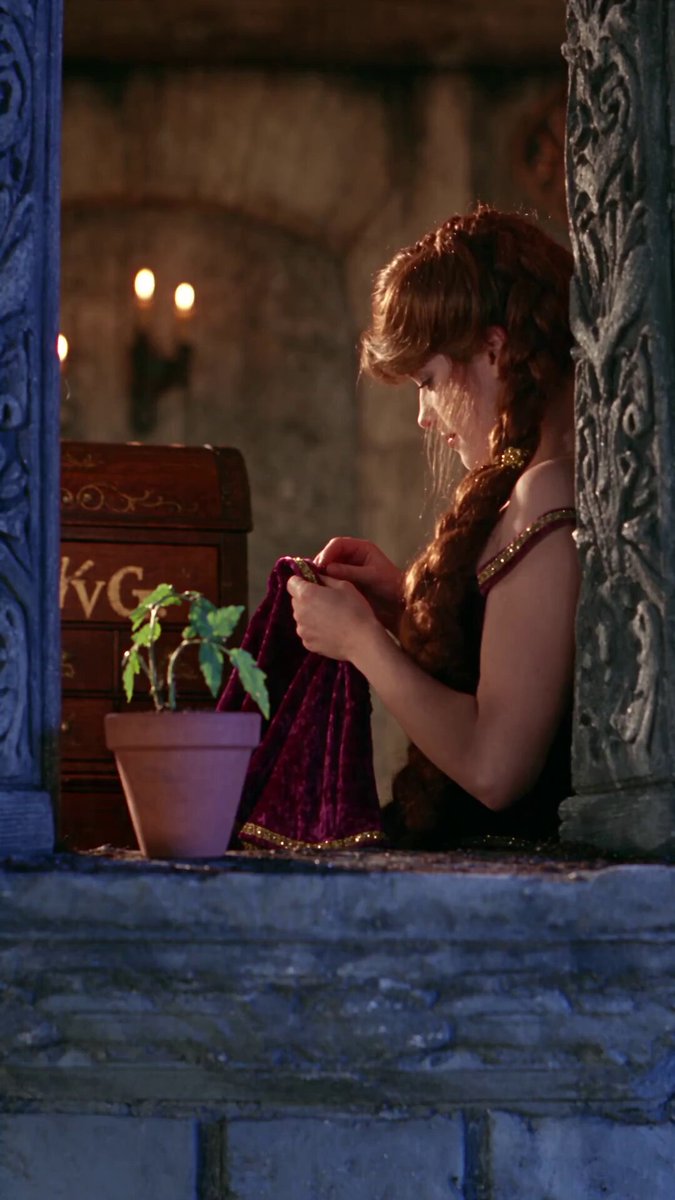
AI content creator @Promptwhat on X shared an insightful strategic breakdown of the emerging "unaired 1990s TV drama" format currently capturing massive virality across global short-form video platforms. Analyzing retro fairy tale parodies created by overseas creator account videogpt.comedy, the post details how a single 25-second Rapunzel parody clip racked up over 6.82 million views on an account with just 26,000 followers, followed by an immediate sequel that swiftly crossed 950,000 views.
Image source: @Promptwhat (영상 출처: videogpt.comedy)
While generative AI video models continue to advance in raw photorealism and detail, creators frequently encounter two critical bottlenecks: the unnatural, plastic synthetic sheen common to AI-generated footage, and the narrative difficulty of hooking viewers within a 20-to-25-second mobile timeline. By studying videogpt.comedy's execution, @Promptwhat highlighted four foundational production principles that turn technical limitations into stylistic assets while bypassing language barriers for global algorithmic reach.
1. Masking Synthetic Sheen with 35mm Film Grain and Soft Vintage Lighting
One of the most persistent visual defects in generative AI video is the overly smooth, synthetic sheen across human skin, hair, and background geometry. Without micro-texture and natural light scattering, viewers instantly sense the uncanny valley of an artificial computer rendering.
The 90s television aesthetic solves this problem through intentional low-fidelity texturing:
- 35mm Analog Film Grain: By instructing prompts or post-processing layers to inject noticeable film grain, subtle AI hallucinations, warping, and texture blurring are naturally disguised as authentic optical film noise.
- Diffused 90s Broadcast Lighting: Replacing harsh digital specular highlights with the characteristic softbox, blooming glow of 1990s cathode-ray tube television shows softens unnaturally sharp edge boundaries. The resulting visual warmth creates an authentic nostalgic atmosphere that reads as archived broadcast tape rather than modern AI output.
Rather than chasing hyper-sharp digital perfection, introducing deliberate analog imperfections proves far more effective at eliminating the artificial "AI look."
2. Zero-Exposition Storytelling Through Universal Fairy Tale Tropes
On fast-scrolling platforms like TikTok, Instagram Reels, and YouTube Shorts, creators have less than two to three seconds to capture viewer retention before a swipe-away. In a 25-second format, spending valuable runtime establishing character backstories or worldbuilding is fatal to pacing.
- Zero Cognitive Load: By casting universally recognized folklore archetypes—such as Rapunzel locked in her tower and a wandering prince arriving below—audiences immediately understand the setup without a single frame of exposition.
- Instant Comedic Inversion: Because viewers already know the classic ending, the clip can bypass introductions entirely and jump straight into subverting expectations. Delivering rapid slapstick twists and absurd behavioral shifts keeps engagement high throughout the entire 25-second duration.
Leveraging shared cultural folklore as a narrative canvas allows creators to achieve maximum narrative compression in short-form video.
3. Visual Comedy Over Dialogue: Breaking Down Language Barriers
A primary driver of explosive international virality is the total removal of linguistic friction. Dialogue-heavy skits dependent on complex wordplay or local cultural slang require subtitles or dubbing, creating reading fatigue for casual scrollers and limiting distribution to specific regions.
videogpt.comedy structures humor around universal visual comedy:
- Minimal Dialogue (Three Lines or Fewer): Across the entire clip, spoken dialogue is restricted to roughly three brief lines, functioning purely as audio punctuations rather than explanatory exposition.
- Physical Slapstick and Facial Expressions: The comedic punchlines stem directly from deadpan glances, exaggerated double-takes, and situational physical comedy. A viewer in Seoul, São Paulo, or Berlin understands the joke instantaneously without needing translation.
Designing humor around expressive visual acting enables modest accounts with tens of thousands of followers to scale into multi-million-view global impressions.
4. Immediate Character Continuity and Algorithm Retention
A single viral hit often fails to build sustainable channel equity if viewers do not transition into returning subscribers.
Following the breakout success of the Rapunzel clip, videogpt.comedy immediately published a sequel featuring the same flirtatious prince character:
- Consistent Character Persona: Retaining recognizable character designs and comedic personas allows viewers to instantly identify the continuity from the previous video.
- Binge Behavior and Secondary Views: Audiences discovering the channel through the 6.82M-view clip immediately binge the follow-up episode, driving over 950,000 views to the subsequent video in rapid succession.
- Algorithmic Reinforcement: Recommendation engines heavily prioritize channels where viewers consume multiple consecutive clips, creating a compounding virtuous cycle in feed distribution.
Applying 90s vintage broadcast grading to universally known fairy tale parodies delivers a high-impact, repeatable template for AI video creators, signaling that retro-styled narrative parody channels will continue to proliferate across global feeds.
Original source
- @Promptwhat Original Post: X (Twitter)
- Video Source: videogpt.comedy