Creating Viral Fake Movie BTS VFX Shorts with Seedance and Claude
A practical workflow for producing viral fake behind-the-scenes movie VFX shorts using Seedance AI video generation, Claude prompt structuring, and CapCut multi
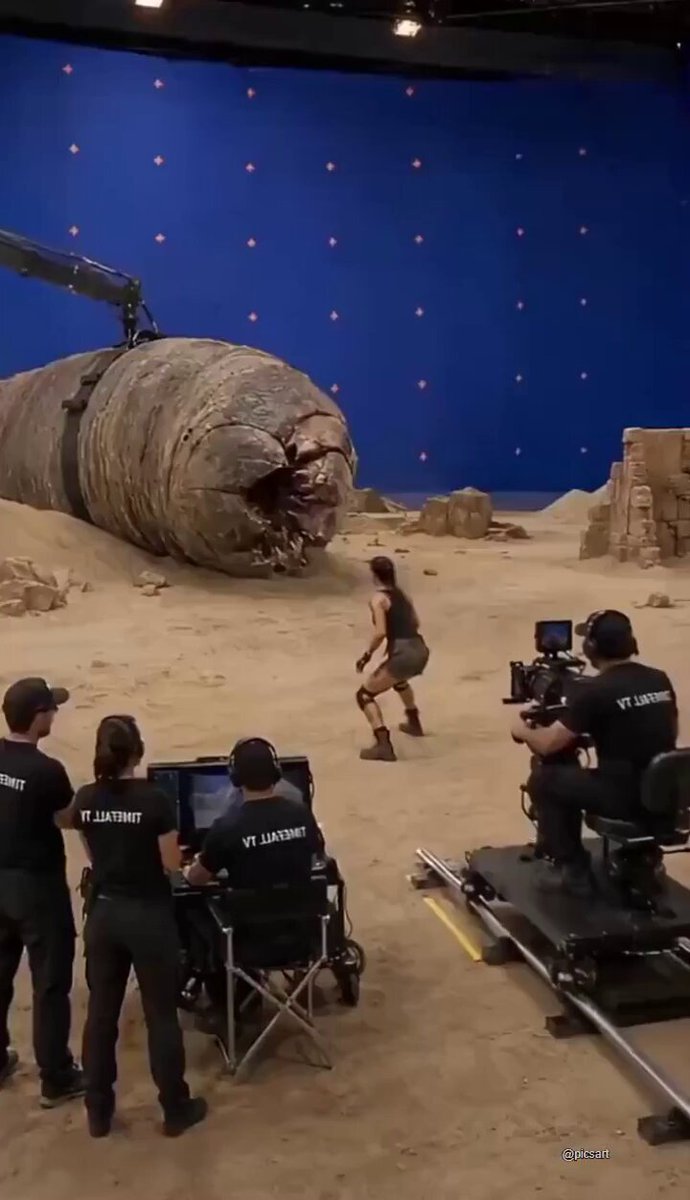
From camera crews swallowed by mechanical sandworms on dolly tracks in blue-screen studios to blue-suited technicians manually steering animatronic raptors, AI-generated "Behind-The-Scenes" (BTS) Hollywood VFX footage is pulling in hundreds of thousands of interactions across short-form video platforms. AI creator @0x_auren recently broke down a case study from a Japanese high schooler, detailing how combining Seedance AI video generation with Claude prompt architecture creates viral, debate-provoking fake movie VFX BTS shorts.
Image source: @0x_auren via X
This workflow moves beyond basic high-resolution video generation, leveraging psychological viewer triggers—nostalgic recognition, broken expectations, and authenticity debates—to maximize watch time and comment section distribution.
Five Psychological Principles of Viral BTS Shorts
The creator outlines a 5-step psychological ladder designed to capture attention and prevent viewer drop-off:
- Instant Recognition: Basing sets on iconic scenes audiences know by heart—a Dune-like sandworm, Jurassic raptors, missile strikes on miniature airports, sinking ships, shark attacks, falling asteroids, or gorillas atop skyscrapers—establishes context within the first two seconds.
- Subverting Safe Expectations: Behind-the-scenes footage is universally understood as a safe, controlled environment. When a giant prop sandworm pushed on rails suddenly turns and swallows the filming crew, it shatters expectations and delivers an unexpected visual shock.
- Easter Eggs and Rewatchability: Deliberately inserting subtle practical elements, such as two crew members in blue chroma suits physically steering a raptor prop, creates visual discoveries that viewers notice on a second watch or look for after reading comments.
- The 36-Second Multi-Set Ladder (Open Loops): Structuring four distinct sets across a compact 36-second duration, with each set escalating in scale. Cutting to the next set before the previous loop fully resolves keeps retention high.
- Debate as Distribution: Because the video depicts believable physical sets, studio lighting rigs, and crew members alongside props, comment sections actively debate whether the footage is a real miniature practical effects set, CGI, or AI. This controversy triggers algorithmic distribution.
Pipeline Architecture: Claude, Seedance, and CapCut
The entire fake BTS short-form production pipeline runs across a lean, 4-stage toolchain:
- Scene Scripting and Prompt Engineering (Claude): Claude structures each thematic set into 6 sequential shots, specifying camera movements, blue-screen studio backdrops, overhead rigging, prop tracks, and crew interactions.
- AI Video Generation (Seedance): Seedance generates photorealistic studio environment clips, rendering physical interactions between miniature diorama cities, prop mechanisms, and live-action-style crew members.
- Assembly and Pacing (CapCut): The 4 generated sets are brought into CapCut, tightly edited into a continuous 36-second reel, and layered with realistic on-set studio ambience and mechanical Foley audio.
- Automated Publishing (Make): Using a $49/month Make scenario, finished video batches are scheduled and automatically posted across targeted short-form channels.
Practical Production Takeaways
- The Power of Grounding Elements: The monsters attract initial clicks, but the human crew standing next to them and operating the gear is what grounds the visual and makes viewers believe the set could be real.
- Universal Blockbuster Motifs: Sinking ships, asteroid collisions, and monster attacks succeed best because audiences are already deeply familiar with the tropes and instinctively curious about how they were filmed.