Structuring Prompts for Complex Action Sequences in Seedance 2.5
A breakdown of the 30-second elevator martial arts prompt structure shared by @HeyAirahAi for Seedance 2.5, covering timestamped scene segmentation and consiste
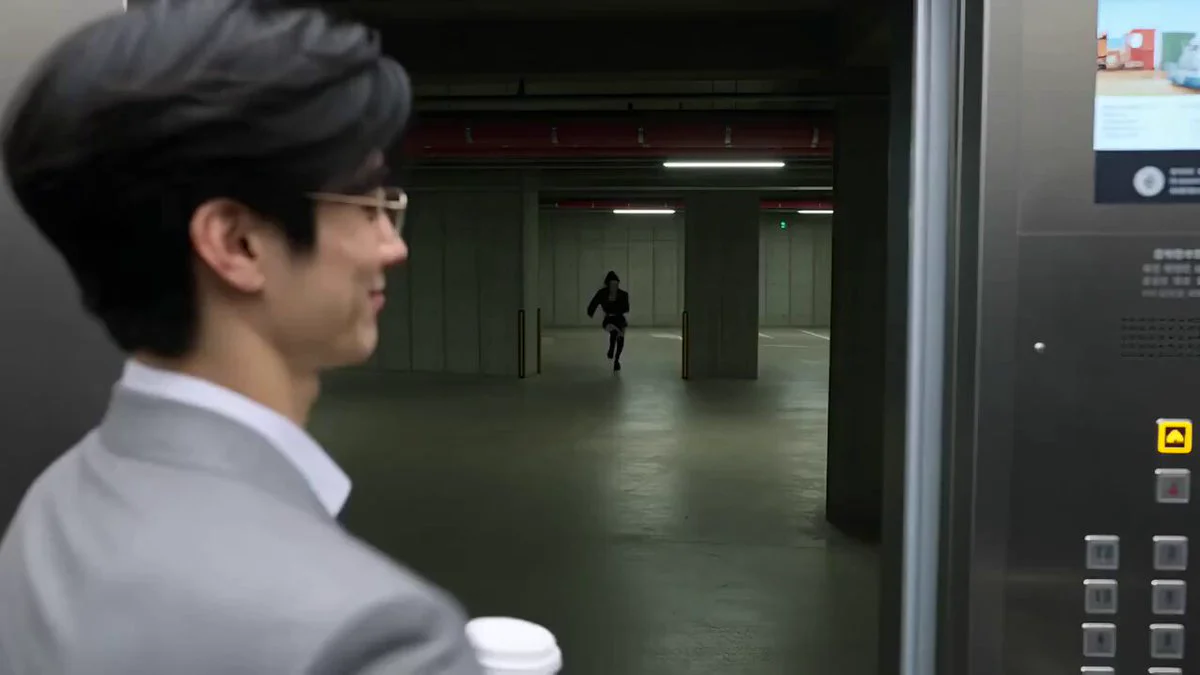
On November 14, 2026, AI video creator Airah (@HeyAirahAi) shared a structured prompt on X for generating a 30-second martial arts sequence inside an elevator using Seedance 2.5. Rather than relying on a single descriptive paragraph, the prompt divides the instruction into an overall premise, six timestamped scene blocks, a dedicated visual style block, and explicit consistency rules to control rapid choreography in a confined space.
Image source: https://x.com/HeyAirahAi/status/2121583698747548118
The original thread includes a 1276x718 demo video alongside the full copy-and-paste English prompt. Because the source post provides the raw prompt text without a written tutorial, this guide preserves the exact original prompt and unpacks how each structural block guides the video generation model.
Original Prompt Structure and Full Text
The prompt shared by @HeyAirahAi is organized into four distinct sections. It opens with a single sentence establishing total duration and setting, breaks the 30-second runtime into six sequential scenes (Scene 1 through Scene 6) anchored by second-by-second timestamps, and closes with separate Visual Style and Consistency Rules blocks.
Create a 30-second ultra-cinematic martial arts action sequence inside a modern elevator.

Scene 1 (0–5 seconds):
A young Chinese man wearing a stylish black outfit walks into a modern high-rise elevator. He presses the floor button and turns toward the closing doors. The elevator doors begin to slide shut.

Scene 2 (5–9 seconds):
Just before the doors close, a young Chinese woman wearing a dark fitted action outfit rushes toward the elevator. She quickly stops the doors and steps inside. The man looks surprised as she gives him an intense stare.

Scene 3 (9–15 seconds):
Without warning, the woman launches a fast martial arts attack. The man blocks her punches and steps backward. They exchange rapid, precisely choreographed punches and defensive moves in the confined elevator.

Scene 4 (15–22 seconds):
The fight becomes more intense. The woman performs a spinning kick, which the man narrowly blocks. He counters with a quick defensive move. They dodge, block, and move around the elevator with realistic martial arts choreography.

Scene 5 (22–27 seconds):
The man catches her next attack and pushes her backward safely against the elevator wall. She quickly recovers and attempts another strike. The elevator lights flicker dramatically as the fight continues.

Scene 6 (27–30 seconds):
Suddenly, the elevator stops. Both characters freeze and stare at each other, breathing heavily. The doors slowly begin to open, revealing a shocked person standing outside. End with a dramatic cinematic freeze-frame.

Visual Style:
Ultra-realistic Chinese action movie aesthetic, Hollywood-level martial arts choreography, dramatic lighting, realistic human movement, fast-paced action, dynamic camera angles, cinematic close-ups, smooth tracking shots, realistic elevator reflections, detailed facial expressions, 4K quality, vertical 9:16 format.

Consistency Rules:
Maintain the same faces, hairstyles, outfits, and body proportions throughout the entire video. Keep the elevator environment consistent. Use realistic physics and believable martial arts movements. No blood, no gore, no graphic injuries, and no unnatural body movements.
Each block carries a specific narrative and technical responsibility:
- Premise: Establishes a 30-second runtime, a high-contrast cinematic tone, and an enclosed modern elevator setting before any character action begins.
- Scene 1 (0–5 seconds): Introduces the first character—a young Chinese man in a stylish black outfit—entering a high-rise elevator, pressing a button, and facing the closing doors.
- Scene 2 (5–9 seconds): Introduces the second character—a young Chinese woman in a dark fitted action outfit—stopping the doors just before closure and establishing dramatic tension through eye contact.
- Scene 3 (9–15 seconds): Initiates physical combat with rapid punches and defensive blocks adapted to the tight interior space.
- Scene 4 (15–22 seconds): Escalates the choreography with a spinning kick, narrow block, counter-move, and spatial footwork around the cabin.
- Scene 5 (22–27 seconds): Shifts momentum as the man pushes her back against the wall, she recovers for another strike, and flickering elevator lights heighten visual intensity.
- Scene 6 (27–30 seconds): Resolves the sequence by halting the elevator, freezing both fighters mid-breath, opening the doors to a shocked bystander outside, and ending on a cinematic freeze-frame.
Why This Prompt Architecture Works
For creators adapting this template to other action or narrative clips, three structural choices stand out:
1. Timestamped Micro-Pacing
When AI video models receive a 30-second plot in one dense paragraph, early actions often loop endlessly or mid-scene transitions collapse. Splitting the timeline into 3-to-7-second intervals (0–5s, 5–9s, 9–15s, 15–22s, 22–27s, 27–30s) limits each beat to two or three concrete physical actions, giving the model clear temporal boundaries for entry, escalation, climax, and resolution.
2. Separating Choreography from Cinematography
The six scene blocks describe only physical movement and facial reactions, while camera behavior and aspect ratio are isolated under Visual Style. Grouping terms like smooth tracking shots (camera movement that follows a subject smoothly through space), cinematic close-ups, and vertical 9:16 format (standard mobile short-form framing) in a dedicated section keeps the action sentences short and prevents subject confusion.
3. Explicit Consistency and Safety Guardrails
Fast martial arts motion frequently causes AI video models to morph faces, swap clothing details, or distort limb anatomy. Placing Consistency Rules at the bottom explicitly locks faces, hairstyles, outfits, body proportions, and elevator geometry across the entire clip, while excluding blood, gore, and graphic injuries helps avoid triggering automated content-moderation blocks during fight scenes.
Verified Scope and Limitations
When testing or modifying this workflow, keep the boundaries of the original post in mind:
- Demonstrated on Seedance 2.5: The author explicitly attributed the output to Seedance 2.5. Other AI video models or earlier Seedance versions may handle 30-second durations, timestamp brackets, or multi-character combat differently.
- Generation Parameters Not Disclosed: The X thread provides only the prompt text and output video; seed values, generation time, retry counts, and whether any reference images were supplied are not stated.
- Aspect Ratio Container Difference: Although the prompt specifies
vertical 9:16 format, the video media attached to the X post is encoded in a1276x718horizontal frame, which may reflect platform letterboxing or UI export settings. Verify your aspect ratio setting directly inside the generation interface before running.
Original source
- Airah (@HeyAirahAi) X post and prompt thread: AI video generation is getting seriously impressive. This is what Seedance 2.5 can create with just a prompt