Crafting 20-Second Multishot UGC Ads with Kling 4.0 Flash: Prompt Structure and Continuity Guide
A complete practical guide to engineering authentic 20-second vertical (9:16) smartphone UGC video ads using Kling AI 4.0 Flash, featuring timeline multishot br
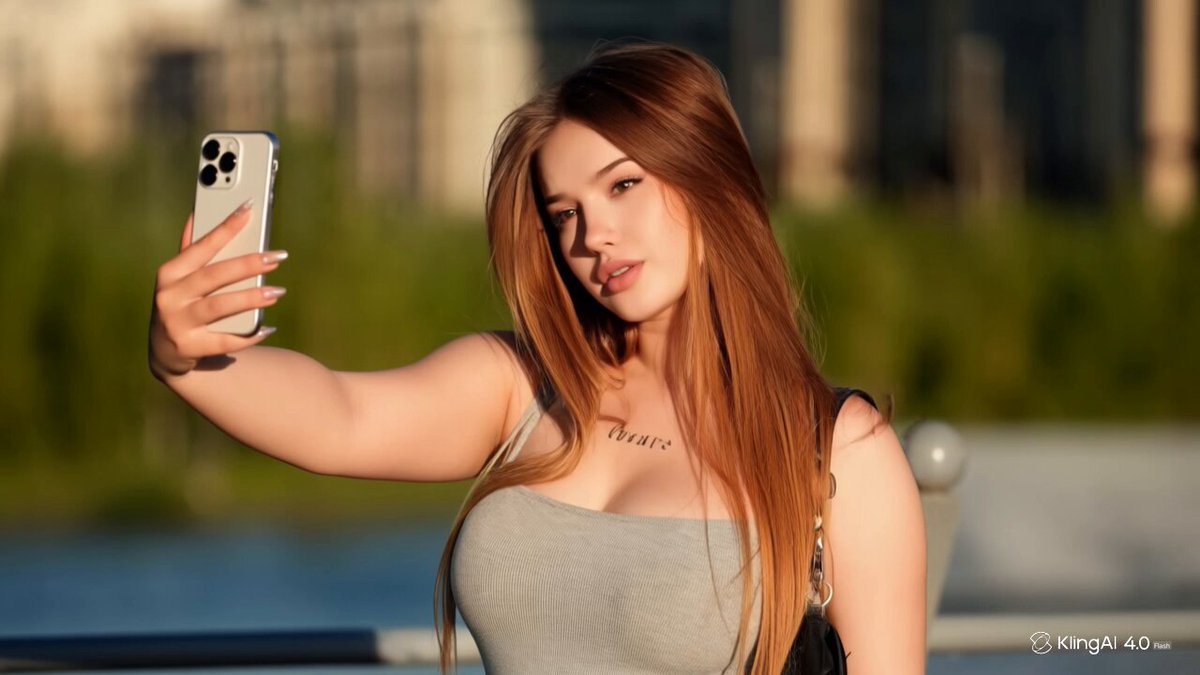
AI creator @Diplomeme (ᴍᴜʀᴘʜʏ) on X has shared an end-to-end prompt framework for generating authentic 20-second vertical (9:16) User-Generated Content (UGC) video advertisements in a single generation pass using Kling AI's newly unveiled lightweight tier, Kling 4.0 Flash. The guide provides a reproducible timeline breakdown, character identity preservation rules, and smartphone optical constraints tailored for high-converting creator-style ad formats across Instagram Reels and TikTok.
Image source: X @Diplomeme
A chronic stumbling block when generating video ads with generative AI models has been the synthetic "sheen"—overly smoothed skin textures, exaggerated beauty filters, and unnaturally rigid camera movements that immediately signal an artificial commercial to viewers. To bypass this uncanny valley, @Diplomeme emphasizes a deliberate inversion of conventional commercial aesthetics: stripping out glossy post-production tricks and deliberately prompting for the realistic imperfections of handheld smartphone video across six distinct timeline beats within a single 20-second clip.
1. The Core UGC Hierarchy and Anti-Slop Principles
For an AI-generated video ad to succeed in social video feeds, perceived authenticity must take precedence over high-gloss cinematic production. Viewers connect with relatable, candid peer recommendations rather than polished studio commercials.
@Diplomeme outlines a strict three-tier hierarchy for structuring UGC prompts:
- 1. Authenticity First: Prioritize conversational cadence, natural facial micro-expressions (blinking, subtle smiling), and minor handheld camera movement that resembles a real creator recording unscripted content at home.
- 2. Product Visibility Second: Keep the product recognizable and physically coherent, but integrate it naturally into the creator's hands and everyday environment rather than forcing awkward front-and-center glamour poses.
- 3. Commercial Polish Third: Intentionally suppress high-end commercial conventions, avoiding overly dramatic lighting setups or synthetic color treatments.
The framework also explicitly forbids three common generative pitfalls: artificial beauty filters, exaggerated influencer acting, and cinematic teal-and-orange color grading. Preserving the natural optical quirks of smartphone lenses, slight depth-of-field variations, and auto-exposure adaptations is essential to eliminating generative AI "tells."
2. Character Anchoring, Visual Binding, and Environmental Setup
Maintaining visual continuity across an extended video requires unambiguous instructions that anchor identity, attire, and setting before the scene action begins.
Reference Image Binding
Leveraging Kling's Omni Reference system, the prompt locks the creator's physical appearance against an uploaded source photograph:
Use the uploaded reference image as the EXACT visual identity reference for the creator.
Preserve her facial identity, facial proportions, hairstyle, hair color, body proportions
and recognizable appearance throughout the entire video.
- Creator Attributes: A young adult female based directly on the reference image, styled in contemporary casual wear with natural hair, authentic skin texture, and minimal makeup. Her demeanor must reflect a genuine lifestyle creator rather than a hired commercial actor.
- Setting Constraints: An authentic modern apartment kitchen and living space during late afternoon. Instead of sterile studio lighting, the scene relies on soft natural light spilling in from an off-camera window, illuminating a lived-in countertop naturally occupied by everyday items alongside a casually placed Red Bull can.
3. The 20-Second 6-Beat Multishot Timeline Breakdown
By embedding structured timestamp boundaries directly into the prompt text, creators can orchestrate seamless camera cuts, dialogue timing, and physical interactions. Supported by Kling 4.0 Flash's improved lip-synchronization and temporal stability, the 20-second sequence is divided into six purposeful beats:
| Timestamp | Beat Name | Camera Framing & Action | Dialogue / Audio Cue |
|---|---|---|---|
| 00:00–03.0 | HOOK | Front-facing selfie camera held at arm's length. Looks straight into lens with subtle smile and natural blinking. | "Okay, I actually didn't expect this to become my go-to." |
| 03.0–06.0 | PRODUCT | Natural transition to slightly tighter handheld angle. Reaches for Red Bull can on counter, lifts it, and shows it briefly to camera. | "This is the one I grab when I need to keep going." |
| 06.0–09.0 | OPEN | Close handheld framing. Cracks open can with audible carbonation release, followed by a casual sip and subtle, genuine reaction. | (Audible 'PSHHHT' can opening sound) |
| 09.0–13.0 | REAL-LIFE MOMENT | Wider smartphone angle. Creator walks casually around kitchen while gesturing naturally with the can. | Conversational gestures explaining busy daily routine |
| 13.0–16.5 | LIFESTYLE CUTAWAY | Handheld footage. Creator grabs keys and bag from counter while holding can, walking toward apartment exit. | Quick glance back; clean cut without cinematic transitions |
| 16.5–20.0 | FINAL CTA | Front-facing shot near doorway. Creator looks into camera, raises can slightly with a relaxed smile. | "If you haven't tried it yet, you should." |
Verbatim Prompt Specification
20 seconds | 9:16 | authentic UGC advertisement | premium creator content | MULTISHOT

CORE CONCEPT:
A young female creator casually shares her genuine Red Bull experience directly from her phone camera. The advertisement should feel like a real spontaneous social-media recommendation rather than a polished commercial. The creator speaks naturally to camera, demonstrates the product, takes a sip and explains when she likes drinking it. The performance should feel unscripted, confident and relatable while maintaining premium visual quality.

REFERENCE IMAGE BINDING:
Use the uploaded reference image as the EXACT visual identity reference for the creator. Preserve her facial identity, facial proportions, hairstyle, hair color, body proportions and recognizable appearance throughout the entire video.

CREATOR:
Young adult female creator based directly on the uploaded reference image. Contemporary casual fashion. Natural hair. Realistic skin texture. Minimal makeup. Natural facial expressions. Avoid exaggerated influencer behavior. She should feel like a genuine lifestyle creator recording content for Instagram Reels / TikTok.

SETTING:
Modern apartment kitchen / living space during late afternoon. Natural window light. Casual lived-in environment. Countertop with everyday items. Red Bull can placed naturally on the kitchen counter. The environment should feel real and slightly imperfect rather than like a professional advertising studio.

STORY — UGC MULTISHOT VISUALS:
00:00–03.0 — HOOK: Front-facing smartphone camera. Creator holds the phone naturally at arm's length. She looks directly into the camera and says: "Okay, I actually didn't expect this to become my go-to." Natural conversational delivery. Small smile. Natural blinking. Subtle handheld phone movement.
03.0–06.0 — PRODUCT: Camera angle changes naturally to a slightly closer handheld shot. She reaches toward the Red Bull can sitting on the counter. Picks it up. Shows the can briefly toward the camera. Can remains physically accurate. She says: "This is the one I grab when I need to keep going."
06.0–09.0 — OPEN: Close handheld smartphone framing. She opens the can. Natural PSHHHT sound. She takes a sip. Brief genuine reaction. No exaggerated facial expression.
09.0–13.0 — REAL-LIFE MOMENT: Cut to a casual wider phone-camera angle. Creator moves around the kitchen while continuing to talk. She gestures naturally with the can. She explains how she incorporates it into her busy day. Her movements remain spontaneous and imperfect.
13.0–16.5 — LIFESTYLE CUTAWAY: Handheld phone footage. Creator grabs her bag and keys from the counter. Red Bull remains in her hand. She walks toward the apartment door. Quick natural glance toward camera. Natural cut, no cinematic transition.
16.5–20.0 — FINAL CTA: Front-facing smartphone shot near the doorway. She looks directly into camera. Raises the Red Bull can slightly. Natural smile. She says: "If you haven't tried it yet, you should." End on a casual handheld frame rather than a polished commercial hero shot.

CAMERA:
Authentic modern smartphone camera. Front-facing selfie camera for direct-to-camera sections. Rear camera for product and lifestyle cutaways. Natural handheld movement. Minor framing imperfections. Occasional autofocus adjustment. Realistic smartphone exposure adaptation. Natural perspective and slight smartphone lens distortion. Avoid cinema-camera stabilization, gimbal smoothness, artificial zooms, or commercial lighting.

RULES:
Authenticity first, product visibility second, commercial polish third. Avoid artificial beauty filters, exaggerated influencer acting, and cinematic teal-orange color grading.
4. Optical Physics and Model Boundary Realities
The prompt succeeds because it strictly guides the physical rules of how modern mobile cameras capture light and motion:
- Lens Differentiation: Specifying front-facing selfie lenses for talking-head moments and rear-facing lenses for lifestyle cutaways preserves appropriate focal lengths and perspective distortions.
- Embracing Imperfection: Explicitly directing the model to allow slight handheld jitter, occasional autofocus hunting, and real-world exposure shifts prevents the artificial gliding associated with motorized gimbals.
Kling 4.0 Flash Model Boundaries and Practical Caveats
When integrating this workflow into real production pipelines, creators should note the specific operational parameters governing the Flash tier:
- Current Availability (Early Access): Kling 4.0 Flash launched on September 28, 2026, as an early-access preview available exclusively to Ultra Yearly subscribers on Kling's native platform. A broader general release alongside the full Kling 4.0 flagship model is scheduled for October 2026.
- Tier Specifications and Limits: Kling 4.0 Flash is engineered for high-frequency, cost-effective generation and is explicitly capped at 20 seconds duration and 720p resolution per single generation pass. Creators must not confuse Flash parameters with the unreleased full Kling 4.0 flagship specifications, which promise up to 30-second single passes, native 4K rendering, and multi-keyframe controls.
- Object Coherence Management: Interacting with branded physical packaging (such as holding or cracking open an aluminum beverage can) can occasionally cause label morphing across rapid transitions. Adding instructions such as
"Can remains physically accurate"helps reinforce structural stability throughout the generation.
Original source
- Original post by @Diplomeme on X (Twitter): Kling 4.0 flash UGC prompt structure