Prompt Engineering for Everyday Smartphone Mirror Selfies in AI Image Generation
A practical guide to crafting 3:4 vertical mirror selfies with soft ambient room lighting, realistic skin textures, and subtle sensor grain while avoiding artif
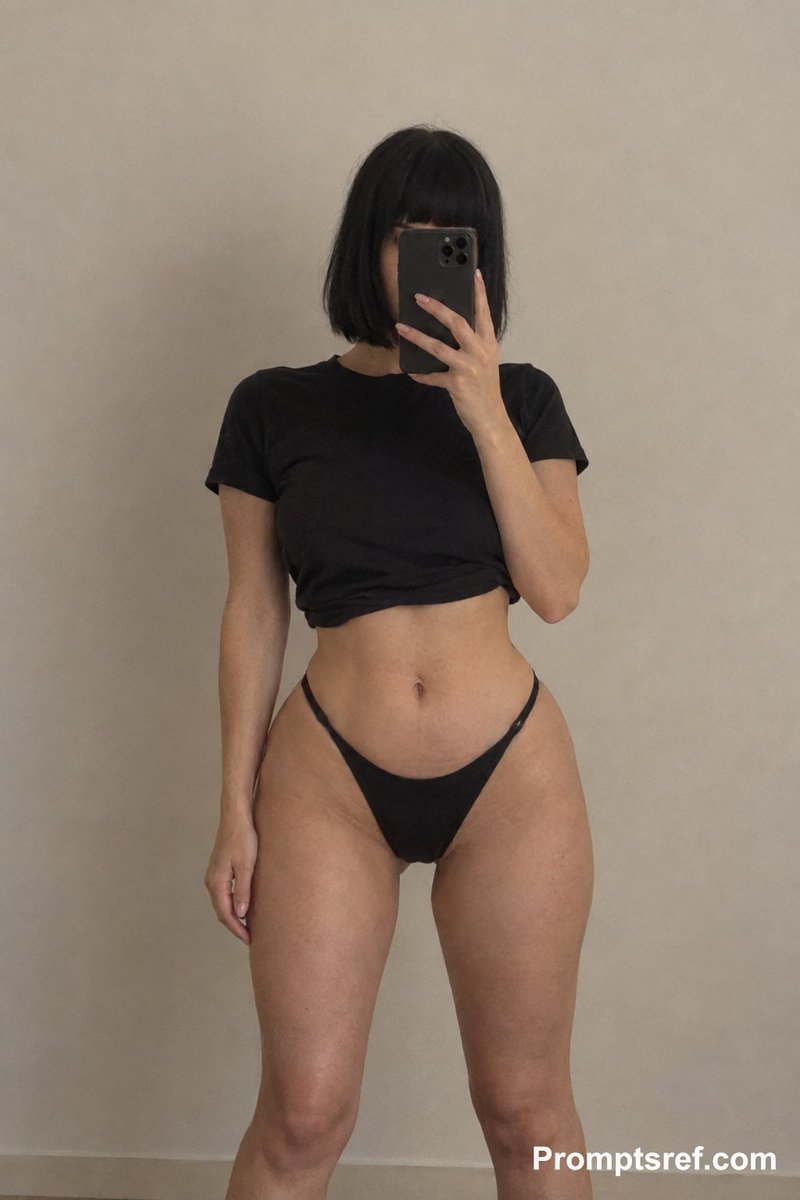
One of the most persistent bottlenecks in AI image synthesis is the unmistakable synthetic sheen—overly polished studio lights and hyper-smooth, plastic skin textures that immediately betray generated portraits. Tech creator @underwoodxie96 recently shared a robust prompt framework designed to emulate an authentic, candid 3:4 smartphone mirror selfie that looks genuinely captured on a mobile device.
Image source: @underwoodxie96 on X
Rather than relying on vague superlatives like "photorealistic" or "ultra-detailed," this technique grounds the generated image in the physical realities of mobile photography: partially obscuring the subject's face with a smartphone, simulating diffused indoor ambient illumination, and injecting subtle optical softness with fine sensor grain.
The Complete Reference Prompt
The original prompt shared by @underwoodxie96 is reproduced below verbatim. It can be dropped directly into text-to-image models or adapted as a reusable baseline:
An authentic, casual vertical 3:4 smartphone mirror selfie. A clearly adult woman stands against a plain warm off-white wall, with a deep-black chin-length bob and thick straight bangs. She holds a dark triple-camera phone in front of her face, obscuring most facial features. Facing the mirror with a slight turn through her torso, she stands with her legs naturally apart. She wears a black short-sleeved cropped T-shirt with its hem lifted to reveal her waist and abdomen, paired with plain black high-cut bikini-style briefs. Preserve natural, full body contours, fabric creases, subtle variation in skin tone, and realistic skin texture. Broad, soft indoor light produces faint shadows; slight softness and fine grain give the image an everyday phone-photo quality. Center the subject with empty space above her head and crop the feet at the lower edge. Keep the background bare and avoid polished studio lighting.
Four Core Engineering Principles for High Realism
Analyzing the anatomy of this prompt reveals four deliberate design patterns that actively counteract synthetic rendering artifacts.
1. Camera Grip and Facial Obscuration
She holds a dark triple-camera phone in front of her face, obscuring most facial features.- Typical AI portraits suffer from eerie bilateral symmetry, glassy stares, and uncanny gaze tracking when looking straight into the lens.
- By instructing the model to hold the phone directly in front of the face, the prompt mimics the everyday behavioral reality of mirror selfies—where the subject focuses on the phone screen rather than making artificial eye contact with the camera.
2. Mobile Aspect Ratio and Natural Cropping
An authentic, casual vertical 3:4 smartphone mirror selfie.Center the subject with empty space above her head and crop the feet at the lower edge.- Instead of cinematic widescreen or square defaults, specifying a vertical 3:4 aspect ratio immediately signals standard mobile portrait orientation.
- Directing the model to include generous headroom while cropping the feet at the bottom boundary reproduces the spontaneous, unstudied composition of a casual snapshot rather than a staged fashion shoot.
3. Preserving Anatomy and Micro-Textures
Preserve natural, full body contours, fabric creases, subtle variation in skin tone, and realistic skin texture.- Without explicit preservation directives, diffusion models default to hyper-airbrushed, porcelain skin tones.
- Specifying tone variation, genuine skin texture, and organic fabric creases forces the model to render physical imperfections and realistic material interactions.
4. Diffused Ambient Lighting and Optical Grain
Broad, soft indoor light produces faint shadows; slight softness and fine grain give the image an everyday phone-photo quality.Keep the background bare and avoid polished studio lighting.- Studio rim lighting and intense key lights are dead giveaways of synthetic artwork.
- Substituting these with broad, soft indoor light and faint shadows mimics a regular room lit by indirect daylight. Introducing slight optical softness and sensor grain counteracts the clinical hyper-sharpness of digital renderers.
Practical Adaptation and Customization
Creators can customize this prompt structure while preserving its authenticity-anchoring clauses:
- Background Variations: Replace
plain warm off-white wallwithminimalist bathroom interior,lived-in bedroom with wooden shelving, orfitting room mirrorto shift the narrative setting. - Wardrobe and Styling Adjustments: Modify the hairstyle (
chin-length bob) and garments (cropped T-shirt,bikini-style briefs) while strictly keeping thePreserve natural, full body contours, fabric creases, subtle variation in skin toneclause intact. - Device Hardware Realism: Retaining
dark triple-camera phoneensures the distinctive multi-lens camera module appears prominently in the reflection, reinforcing the contemporary smartphone context.
Original source
- Original Post: @underwoodxie96 on X
- Prompt Reference: PromptsRef Share