Seedance 2.5 30-Second One-Take Video Prompt: 2000s DV Camcorder Texture Tips
A practical breakdown of crafting 30-second continuous one-take AI videos in ByteDance Seedance 2.5, using early-2000s DV camcorder textures, timeline pacing, a
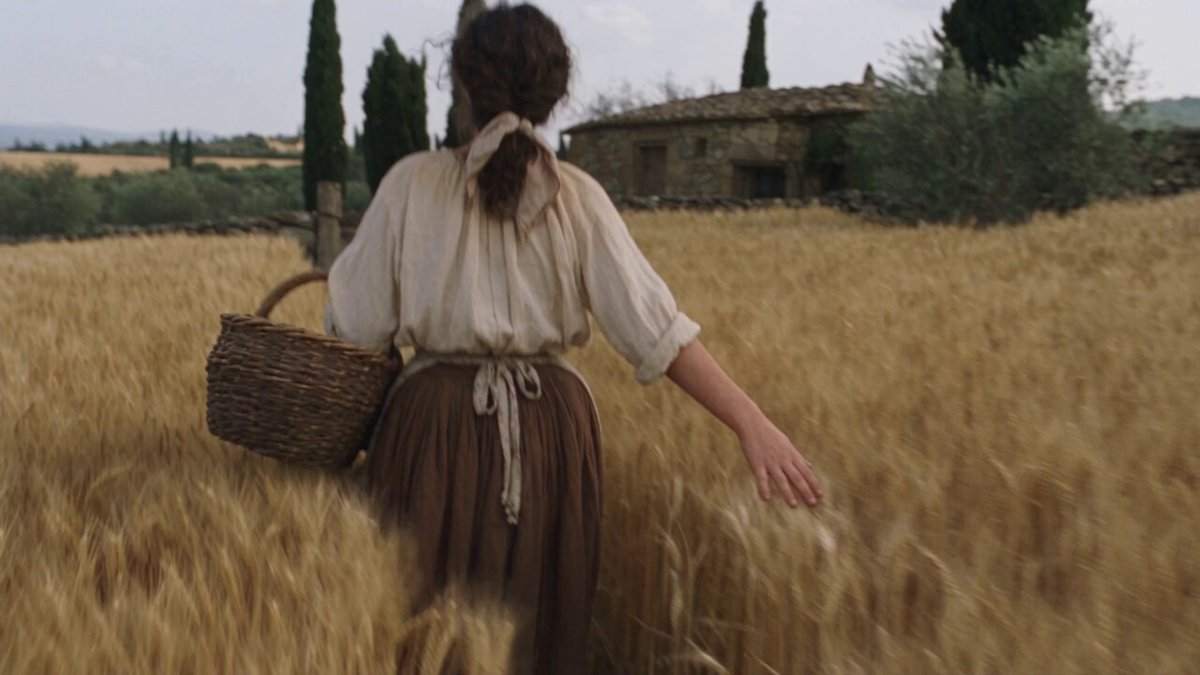
On October 6, 2026 (October 7 KST), digital creator Saul Goodman (@Goodmanprotocol) published a compelling 30-second continuous one-take AI video along with its complete prompting architecture, generated using ByteDance's Seedance 2.5 video generation model. Rather than aiming for glossy, hyper-stabilized synthetic visuals, this workflow deliberately reconstructs the optical quirks and texture of early-2000s consumer DV camcorders, coordinating 6-second timeline segments with authentic environmental audio for an immersive historical documentary aesthetic.
Image source: @Goodmanprotocol (X)
In contemporary text-to-video AI pipelines, attempting uninterrupted long takes beyond 10 seconds frequently results in progressive spatial degradation, unnatural morphing, or wandering character anatomy. Without structured temporal checkpoints, diffusion models easily drift away from the original scene context mid-generation. The workflow shared by Saul Goodman solves this challenge by dividing the full 30-second duration into discrete 6-second pacing blocks, paired with physical camera constraints that ground the model in realistic vintage documentary physics.
1. Controlling a 30-Second Continuous Take via 6-Second Timeline Brackets
The central technical innovation in this Seedance 2.5 prompt is the explicit segmentation of continuous narrative time into five 6-second blocks ([0–6s], [6–12s], [12–18s], [18–24s], [24–30s]).
Unlike montage-based prompts with cut transitions, an unbroken long take requires the model to track character movement and camera perspective sequentially without resetting latent states. The prompt provides distinct physical milestones for each time window:
- [0–6s] Establishing Scene and Movement: A handheld camera follows a young peasant woman walking along a dirt trail through golden Tuscan wheat fields. Brushing her free hand across the wheat stalks while carrying a woven basket immediately sets the physical environment.
- [6–12s] Physical Interaction and Focus Adjustment: She arrives at a rustic wooden fence, sets the basket down, and scatters scraps to feeding chickens around her boots. The camera moves in close, briefly exhibiting imperfect autofocus tracking.
- [12–18s] Everyday Practical Action: She proceeds toward an ancient stone well, lowers and hauls up a heavy wooden bucket on a rope, and drinks fresh water from a ladle. Water spills down her chin and she wipes it away with her sleeve.
- [18–24s] Environmental Encounter and Path Continuation: A donkey approaches; she gently strokes its muzzle, picks a wildflower to tuck behind her ear, lifts her basket, and walks toward the farmhouse entrance.
- [24–30s] Interaction and Final Transition: Nearing the heavy timber doorway, she notices the person behind the lens, offering a tired yet warm smile and a brief wave before stepping inside. The camera stays outside as the door slowly closes shut.
By chaining these micro-actions chronologically, the prompt gives the underlying video diffusion model unambiguous spatial targets across the entire 30-second runtime, preventing hallucinated cuts or sudden temporal resets.
2. Emulating 2000s DV Camcorder Optics and Anti-Cinematic Styling
A common pitfall in generative AI video is the synthetic sheen created by hyper-saturated grading, mathematically flawless drone sweeps, and unnaturally sharp textures.
To counter this characteristic "AI look," the prompt injects intentional analog and digital capture imperfections into the model's rendering parameters:
- Early-2000s Consumer DV Aesthetic: Keywords such as
early-2000s consumer DV look,faded colors,soft contrast,mild digital compression, andsensor noiseinstruct the model to emulate the limited dynamic range and slight compression artifacts typical of early miniDV tape camcorders. - Imperfect Operator Handling: Explicit camera behaviors including
handheld shake,imperfect framing,autofocus hunting, andslight exposure pumpingreproduce the authentic physical quirks of a real human operating a handheld consumer rig. - Strict Negative Constraints: Negation directives such as
No stabilization,no cinematic camera moves,no modern color grading,no cuts,no captions, andno musicsystematically disable Hollywood-style CGI motions and modern post-production polish.
Pairing a late-1800s rural Tuscany historical setting with consumer DV camcorder artifacts produces a paradoxical documentary verisimilitude—making the output appear like discovered archival footage rather than an algorithmic simulation.
3. Diegetic Ambience and Complete Prompt Breakdown
To leverage Seedance 2.5's synchronized multimodal audio engine, the prompt specifies physical environmental sounds (diegetic audio) while firmly excluding background score music. The audio cues directly correspond to the visual events: wind rustling wheat, songbirds, chickens clucking, footsteps on dry earth, creaking well ropes, splashing water, donkey brays, and a heavy wooden door clicking shut.
Creators looking to adapt this setup can reference the complete verbatim prompt below:
Seedance 2.5 Prompt:
30-second ultra-realistic documentary slice-of-life video, early-2000s consumer DV camcorder aesthetic. A young Italian peasant woman in her early 20s, sun-weathered olive skin with freckles, dark brown wavy hair loosely tied with a faded scarf, worn off-white linen blouse, earth-brown patched wool skirt, faded floral apron and muddy leather boots. Rural Tuscany in the late 1800s. Golden wheat fields, olive trees, stone farmhouse, cypress trees, stone walls, chickens, donkey and old stone well. No modern objects or machinery.

[0–6s]
Handheld camera follows her naturally along a dirt path through golden wheat fields. She carries a woven basket on her hip and brushes her free hand across the wheat. Wind moves the stalks and her loose hair.

[6–12s]
She reaches a wooden fence, sets down the basket and feeds scraps to several chickens gathered around her boots. The camera stays close and imperfect, briefly adjusting focus as she moves.

[12–18s]
She continues toward an old stone well. She lowers a wooden bucket on a rope, pulls it up with effort, then drinks fresh water from a small ladle. Water runs down her chin and she wipes it away with her sleeve.

[18–24s]
A donkey approaches. She smiles softly, pats its muzzle, then picks a small wildflower from the field and tucks it behind her ear. She lifts the basket and walks toward the farmhouse.

[24–30s]
Near the heavy wooden doorway, she notices the person filming. She gives a tired but warm smile and a small wave, then opens the door. She looks back once before stepping inside. The camera remains outside as the door slowly closes.

STYLE: photorealistic historical documentary, authentic 1800s Tuscany, early-2000s consumer DV look, handheld shake, imperfect framing, autofocus hunting, slight exposure pumping, faded colors, soft contrast, mild digital compression and sensor noise. No stabilization, no cinematic camera moves, no modern color grading. One continuous fluid shot, no cuts, no captions, no music.

AUDIO: natural ambience only -wind through wheat, birds, chickens, footsteps on dry earth, rope and wooden bucket creaking, water splashing, donkey sounds, distant countryside atmosphere and the wooden door closing.
For creators designing extended one-take sequences, structuring prompts around this four-tier framework—[Subject & Setting Baseline → Incremental Timecoded Blocking → Optical Imperfections & Constraints → Diegetic Soundscape]—offers a robust, reproducible methodology for cutting-edge generative video models.