OpenAI Sued by Georgia Residents Over 3.2GW Camellia Data Center and Secret NDAs
Effingham County residents in Georgia have filed an 11-count damages lawsuit against OpenAI and local officials, alleging fraudulent concealment and state RICO
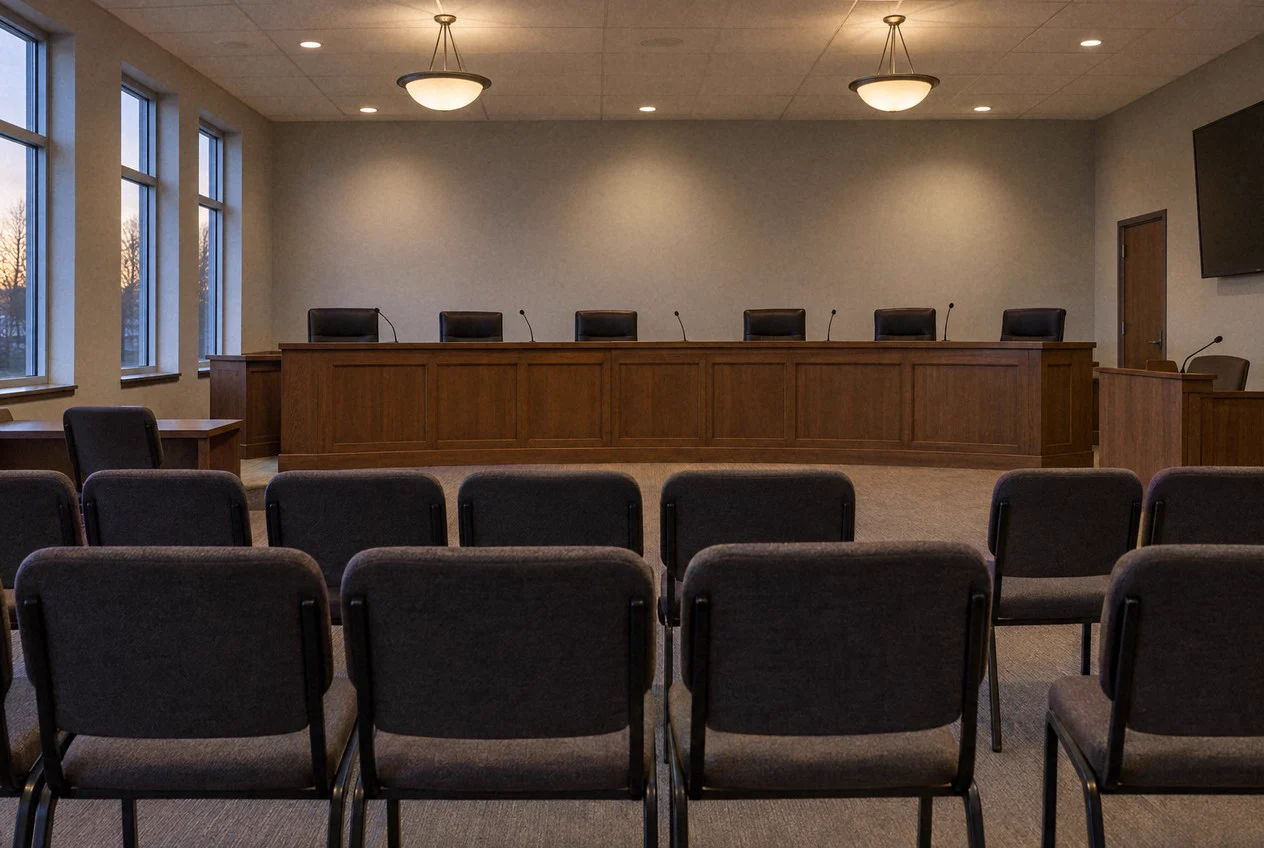
On November 6, 2026, three residents of Effingham County, Georgia, filed a major damages lawsuit against OpenAI, its development affiliates, and local government officials in Effingham County State Court. The complaint names OpenAI OpCo LLC, project applicant Octans GA LLC, all six county commissioners, and the county Industrial Development Authority (IDA) as defendants, challenging the approvals and transparency surrounding the massive AI campus known as Project Camellia.
Image source: https://www.dailycortex.com/effingham-weighs-a-pause-that-spares-camellia
The legal battle underscores a widening fault line across the United States, where tech giants racing to secure multi-gigawatt power for foundation models face mounting resistance from local communities over nondisclosure agreements, municipal zoning maneuvers, and grid infrastructure costs.
Secret NDAs and 11 Legal Claims: The Concealment Allegations
The complaint alleges that local economic development officials and OpenAI orchestrated a concerted effort to conceal the true scale and environmental impact of the project from the surrounding community until land commitments were finalized and citizen objections could no longer derail the initiative. Among the 11 causes of action cited in the lawsuit are fraudulent concealment, civil conspiracy, and violations of Georgia's Racketeer Influenced and Corrupt Organizations (RICO) Act.
At the core of the plaintiffs' claims is a nondisclosure agreement executed on October 27, 2025, between the chief executive of the Effingham County Industrial Development Authority and OpenAI. The plaintiffs argue that this NDA bound public officials to corporate secrecy, preventing transparent public notice and depriving taxpayers of an opportunity to evaluate zoning impacts prior to contract commitments.
In response to growing public scrutiny, OpenAI published a community statement in July 2026 stating that it had voided its nondisclosure agreements in Effingham County and adopted a policy of not requiring municipal public officials to sign NDAs except in narrow, specified circumstances. OpenAI has also publicly stated that it will pay the full cost of the infrastructure and electrical utility services needed to power the campus. However, the plaintiffs contend that the initial period of nondisclosure irreversibly shaped subsequent zoning approvals and compromised the administrative process.
A 3.2GW Power Pipeline and 1,300 Acres: The Scope of Project Camellia
Project Camellia represents one of the largest single AI computational facilities planned in the Southeastern United States. Sited in Effingham County northwest of Savannah, the development encompasses adjoining parcels totaling approximately 740 acres and 607 acres.
County planning staff reports describe a campus featuring six multi-story data center buildings, each standing roughly 42 feet tall, spanning an estimated 3 million to 4 million square feet of gross floor area. The site plan also accommodates three dedicated high-voltage electrical substations and 1,608 parking spaces. While scaled down from an earlier concept that envisioned nearly 30 structures across 15 million square feet, the physical and utility footprint remains substantial.
Power allocation sits at the heart of both the project and regional concern. OpenAI has entered into contracts with Georgia Power to draw up to 3.2 gigawatts (GW) of electrical capacity, to be delivered in phases between 2028 and 2032. Generating capacity of this magnitude—rivaling several commercial nuclear reactors—has strained regional grid planning discussions. Although OpenAI insists it will fully fund necessary utility line upgrades and dedicated service infrastructure, community groups and watchdogs worry that broader grid reinforcement expenditures and baseline capacity competition will spill over into residential electricity rates.
Water resources form another contested operational pillar. The development anticipates domestic water consumption of roughly 30,000 gallons per day, with the nearby City of Savannah expected to furnish initial utility connections until a planned county water treatment facility opens in early 2030. At the same time, county commission discussions have been repeatedly delayed over environmental mitigation, including wetland delineations and developer commitments for a permanent 20-foot earthen sight-and-sound berm along Hodgeville Road that was absent from recent staff submissions.
A Proposed Moratorium That Carves Out Camellia
Local frustrations intensified when county leadership introduced Resolution No. 026-038. Designed to temporarily halt the influx of massive data center developments, the draft resolution imposes a moratorium on accepting new rezoning, conditional use, and variance applications for data centers through as late as May 3, 2027.
Yet the measure explicitly exempts the land deeded to Octans GA LLC for Project Camellia by name. The resolution justifies the carve-out by classifying Camellia as an already approved and "lawfully-vested use." Residents argue that granting a singular exemption to the county's largest and most contentious project defeats the spirit of regulatory review and protects private interests at the expense of neighbor protections.
The November 6 lawsuit marks the second court action filed by this resident group. In September 2026, the same plaintiffs filed an administrative challenge seeking to invalidate an August 4 county zoning ordinance that opened general industrial parcels to high-density data centers. That initial case remains pending, with defendants having filed motions to dismiss.
Official Responses and Unresolved Legal Precedents
A spokesperson for the Effingham County Board of Commissioners reiterated the county's standing policy not to comment on active or pending litigation, while noting that county leaders have consistently denied wrongdoing. Neither OpenAI OpCo LLC nor the local development authority had filed formal court responses as of mid-November 2026.
All 11 counts set forth in the complaint represent allegations that have not yet been evaluated or proven in a court of law. Even so, the proceedings in Effingham County highlight an escalating collision between high-speed artificial intelligence buildouts and the legal limits of municipal discretion. As multi-gigawatt campuses continue to seek homes across rural and exurban America, the judicial scrutiny surrounding Project Camellia will serve as a critical bellwether for corporate transparency, public notice standards, and utility cost allocation.
Sources
- Daily Cortex: Effingham Weighs a Pause That Spares Camellia
- WTOC 11: Effingham County residents file damages lawsuit against OpenAI, county officials over Project Camellia
- Effingham County Board of Commissioners: Agenda Packet & Resolution No. 026-038
- OpenAI Policy Statement: Building AI infrastructure with the Effingham County community