Generating 15s Handheld Video Locally with MiniMax H3 on RTX 5070 12GB in ComfyUI
Local ComfyUI workflow for generating 15-second handheld video with MiniMax H3 INT8 and Turbo LoRA on a single RTX 5070 12GB, including 7–8 minute benchmarks an
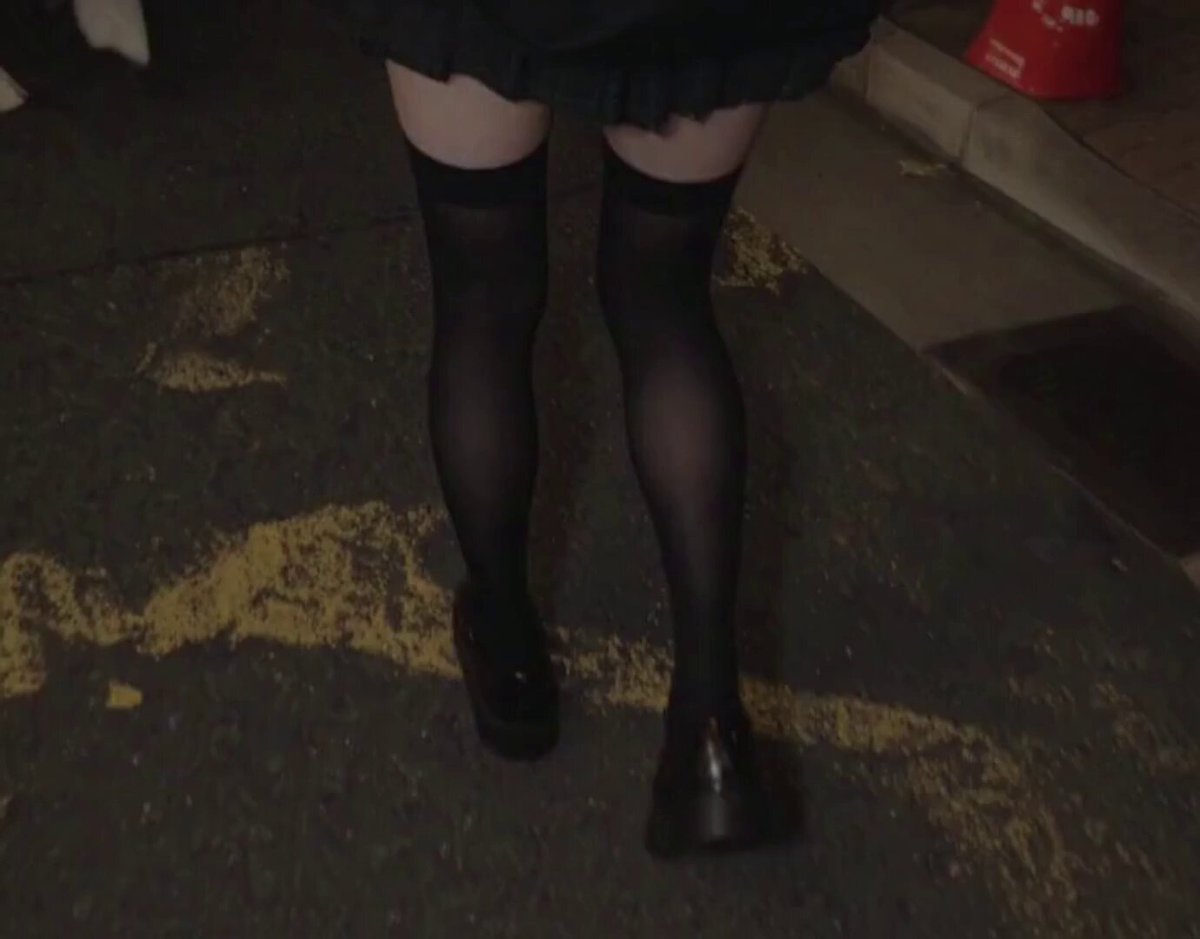
AI video creator and engineer Tom𝕎 (@Tomw852) has demonstrated a verified local workflow for generating a 15-second handheld Shibuya night walk video on a single consumer-grade NVIDIA GeForce RTX 5070 12GB GPU, pairing the quantized DaSiWa MiniMax H3 Hybrid V2 INT8 base model with Turbo acceleration and realism LoRAs inside ComfyUI.
Image source: Tom𝕎 (@Tomw852)
High-fidelity open-weight video generation models have historically demanded high-end enterprise hardware with 24GB to 80GB of VRAM, pushing most creators toward commercial hosted APIs. This workflow demonstrates that through efficient INT8 quantization and step-reduction LoRA adapters, creators can produce cinematic 15-second continuous shots directly on a mainstream 12GB desktop graphics card.
Model and LoRA Stack: INT8 Quantization and Acceleration Pipeline
The core architecture shared by Tom𝕎 compresses the foundational compute footprint to fit within 12GB of video memory while maintaining natural character motion and organic lighting:
- Base Model: DaSiWa MiniMax H3 Hybrid V2 INT8. By quantizing the original weights into a hybrid 8-bit integer precision format, model loading VRAM overhead drops substantially while preserving the spatial coherence, fluid motion dynamics, and photorealistic physics characteristic of the H3 architecture.
- Acceleration LoRA (LoRA 1):
MiniMax-H3-Turbo-Lora-ComfyUI Turbo V4 Step 600. A specialized distilled adapter that drastically reduces the diffusion sampling step count, accelerating inference speed into a manageable timeframe for local desktop cards. - Realism LoRA (LoRA 2):
MiniMax-H3-Realism-People-LoRA. Chained alongside the turbo adapter to preserve micro-textures, organic facial features, and subtle lighting interactions, preventing synthetic plastic skin artifacts often produced by aggressive step reduction.
By chaining these components within ComfyUI, creators eliminate the latency and recurring API billing associated with cloud endpoints.
Structured Prompt Architecture: Multi-Reference and Temporal Staging
Maintaining character identity and continuous camera movement across 15 seconds requires deliberate prompt modularization. Tom𝕎 employed a multi-reference structured prompt framework divided into semantic blocks.
1. Subject and Environment Definitions (subject_definitions)
The opening block explicitly binds external reference pictures to distinct visual roles:
[subject_definitions]
<Picture 1> represents the character identity (S1): a young Japanese subculture elf girl with messy bleach-blonde layered wolf-cut hair, prominent pointed elf ears with metallic dangle earrings, dark choker necklace, oversized washed-black canvas work jacket worn loose over an untucked white collared school shirt, loosened red-and-black striped tie, dark pleated skirt, sheer black over-knee stockings, and black platform loafers. Slender build, expressive sleepy dark eyes with subtle red-tinted lower eyelid shading, pale skin with delicate natural micro-texture.

<Picture 2> represents the visual environment, camera style, and aesthetic reference: Shibuya night street at 1:00 AM, gritty real-life Japanese handheld companion vlog style, on-camera flash illumination mixed with distant Shibuya neon signage, natural film grain, authentic organic camera sway, and subtle motion blur.
<Picture 1>locks character identity (S1): bleach-blonde layered wolf-cut hair, pointed elf ears with dangle earrings, oversized washed-black canvas work jacket, untucked collared shirt with loosened striped tie, pleated skirt, and platform loafers.<Picture 2>defines the environmental lighting and camera aesthetic: Shibuya backstreets at 1:00 AM, direct on-camera flash combined with ambient neon signage, and authentic organic camera sway.
2. Scene Summary and Retention Analysis (summary & retention_analysis)
[summary]
A realistic 15-second first-person companion vlog in Shibuya at night. The silent cameraman quietly follows and records the blonde elf girl (S1) walking down a neon-lit Tokyo backstreet. S1 notices the continuous filming, delivers a couple of soft, intimate lines directly into the camera lens with genuine micro-expressions, while the cameraman remains completely silent.

[retention_analysis]
- Character identity, clothing, hair, and elf ears: exact match from <Picture 1>.
- Lighting, atmosphere, direct-flash photography aesthetic, and Tokyo city backdrop: exact match from <Picture 2>.
- Cameraman presence: strictly non-speaking visual POV only.
The summary explicitly instructs the model that the operator remains silent in a strict first-person perspective, while S1 glances back to deliver quiet dialogue into the lens ("still filming?"). The retention analysis reinforces mandatory anchors from the reference frames.
3. Timestamped Movement Direction (detailed_description)
[detailed_description]
From 00:00.000 to 00:05.200:
First-person eye-level handheld camera shot (28mm prime lens, f/2.0, soft on-camera fill light). The camera follows closely behind <Subject 1> (S1) as she walks leisurely down a Shibuya side street. S1 senses the quiet camera, slows her pace, and turns her upper body back toward the lens over her shoulder.
By defining focal length (28mm prime, f/2.0) and precise timestamped actor pacing, the prompt prevents unnatural scene jumps and maintains fluid handheld tracking.
Hardware Benchmarks and 12GB VRAM Production Caveats
In response to community inquiries regarding render times (@JCaravotas), Tom𝕎 confirmed that generating the full 15-second sequence locally on the RTX 5070 took roughly 7 to 8 minutes (roughly 7mins~8mins).
While this latency exceeds high-end enterprise clusters or multi-GPU rigs, generating an uncompressed 15-second video locally without recurring cloud token costs makes it viable for personal production.
However, community engineers highlighted several critical operational caveats when working near the 12GB VRAM hardware ceiling:
- Single Runs vs. Continuous Batch Stability: AI engineer xxxbaaa (@xxxbaaa07gk) noted that while fitting H3 into 12GB ComfyUI is an impressive engineering feat, creators should not mistake a single completed run for batch production reliability. VAE decoding passes, stacked LoRA weights, and generation retries leave razor-thin headroom: "The real threshold is not getting it to run once, but surviving ten consecutive runs without running out of memory (OOM)."
- Scaling LoRAs and Extended Durations: ArtRealmAI (@ArtRealmAI) recognized the value of the 12GB benchmark for creator workflows while noting that maintaining practical rendering efficiency when stacking additional LoRAs or extending clip lengths remains an active area to monitor.
For desktop creators running 12GB cards, maximizing VRAM hygiene—closing background browser tabs and hardware-accelerated desktop apps, enabling VAE tiling options, and configuring aggressive memory offloading in ComfyUI—is essential to prevent out-of-memory crashes during the final decode pass.
Original source
- X (formerly Twitter) @Tomw852 Original Post: 15s handheld Shibuya night walk with MiniMax H3 locally on RTX 5070 12GB
- DaSiWa MiniMax H3 Hybrid V2 INT8 Base Model: Civitai Model Page
- MiniMax-H3-Turbo-Lora-ComfyUI Acceleration Adapter: Hugging Face Repository
- MiniMax-H3-Realism-People-LoRA: Hugging Face Repository
- Original Creator and Community Contributors: Tom𝕎 (@Tomw852), Jimmy Caravotas (@JCaravotas), xxxbaaa (@xxxbaaa07gk), ArtRealmAI (@ArtRealmAI)