Meta Reconsiders 2030 Net-Zero Goal Amid Record Emissions from AI Data Centers
Meta is re-evaluating its 2030 net-zero emissions goal and interim targets after reporting a record 40% spike in greenhouse gas emissions driven by surging AI i
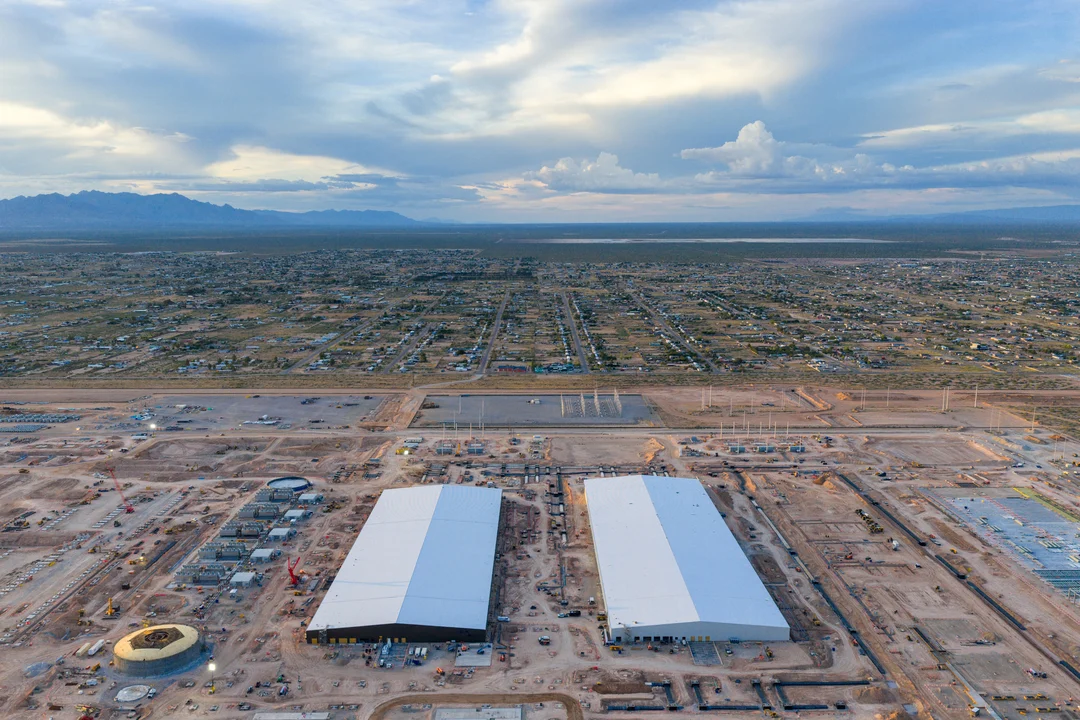
Image source: Brandon Bell/Getty Images
Meta is officially re-evaluating its 2030 net-zero emissions goal and interim intensity targets as the surging demand for artificial intelligence infrastructure drives an unprecedented spike in greenhouse gas emissions. While other major technology competitors continue to publicly maintain their original sustainability timelines despite similar pressures, Meta’s frank reassessment marks a notable divergence in the tech industry.
Image Credit: Brandon Bell / Getty Images
In its latest sustainability report released on November 19, 2026, Meta executives acknowledged that while long-term ambitions remain unchanged, the operating environment has dramatically shifted. The report’s introduction—authored by Rachel Peterson, vice president of data centers at Meta, and Blair Swedeen, global head of net zero and sustainability—pointed out that demand for AI infrastructure has scaled far faster than almost anyone projected. Consequently, the company is re-evaluating its timelines, sequencing, and interim milestones to reflect current operating realities transparently.
A 40 Percent Surge in Carbon Footprint in One Year
According to the report, Meta’s total greenhouse gas emissions surged from 15.6 million metric tonnes of carbon dioxide equivalent in 2024 to more than 21.7 million metric tonnes in 2025. This annual carbon footprint is roughly comparable to the total emissions of the US state of Idaho while surpassing states such as Hawaii, Maine, and New Hampshire.
Among the four major US tech giants, Meta experienced the steepest year-over-year percentage increase in total emissions at roughly 40 percent. For comparison, Microsoft reported a 25 percent increase, Google an 18 percent increase, and Amazon a 16 percent increase during the same timeframe. Meta attributed much of this growth to capital goods such as data center servers. Even when factoring in renewable energy investments and carbon removal efforts, Meta’s net emissions rose from over 8.1 million metric tonnes to more than 11.8 million metric tonnes in 2025, representing a 45 percent increase.
Water Consumption and Indirect Power Generation Realities
Water use metrics also underscored the environmental strain of hyper-scaling data centers. Direct facility water consumption decreased from 825 million gallons in 2024 to 790 million gallons in 2025, but consumption in water-stressed areas rose from 198 million gallons to 246 million gallons.
More significantly, indirect water consumption linked to purchased electricity—the water consumed by power plants generating electricity for data centers—jumped from 19 billion gallons to more than 26 billion gallons over the same period. This highlights an ongoing industry challenge: as data centers shift toward closed-loop cooling systems that reduce direct facility water usage, they often require significantly more electricity to operate, shifting the environmental burden upstream to power generation plants.
Divergent Industry Paths and Sustainability Pressures
While Amazon, Google, and Microsoft have stuck by their original net-zero targets so far, all major tech companies acknowledge the difficulty of balancing sustainability commitments against the breakneck buildout of hyperscale data centers. Despite ongoing investments in renewable energy projects, tech firms frequently rely on electricity generated by burning natural gas to fuel their expanding AI operations.
Meta’s decision to publicly re-evaluate its 2030 timeframe provides a realistic look at the operational friction between aggressive AI expansion and environmental pledges. As public scrutiny and regulatory pressures mount following broader tech-related backlashes, transparent reporting on these growing emissions is expected to remain a critical test for the entire technology sector.
Sources
- Ars Technica: Meta reconsiders 2030 net-zero goal amid record emissions from AI data centers
- Meta Sustainability Report: 2026 Sustainability Report