AI Power Plants Stepping Off the Grid: Meta's Power Supplier Lobbies for Acid Rain Regulation Exemptions
An examination of Meta's data center power provider lobbying the US EPA for acid rain rule exemptions on off-grid power plants, alongside legislative pushes acr
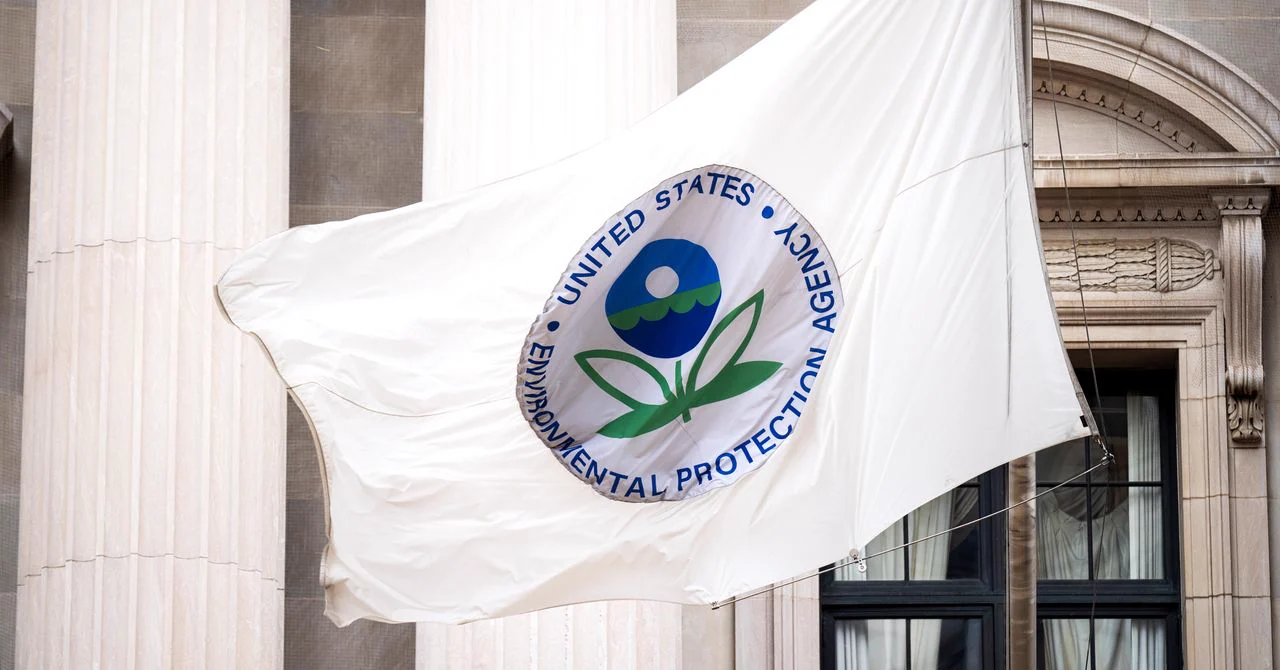
As the demand for artificial intelligence model training and inference surges, data centers worldwide face acute power constraints. With existing public grids struggling to keep pace, big tech companies are increasingly turning to dedicated on-site power plants or independent energy sources completely decoupled from traditional power grids. Recently, revelations that a power provider for Meta's data centers lobbied the US federal environmental agency for exemptions from existing environmental regulations have intensified concerns that AI infrastructure expansion could create severe regulatory loopholes.
Image source: https://www.wired.com/story/a-power-provider-for-meta-urged-regulators-to-exempt-data-center-plants-from-acid-rain-rules
According to a report by WIRED on November 23, 2026, a power supplier servicing Meta data centers lobbied the US Environmental Protection Agency (EPA) to exempt off-grid, "islanded" power plants dedicated exclusively to data centers from federal acid rain regulations. Consequently, the EPA issued guidance recommending exemptions for these facilities, sparking strong backlash from environmental groups and local communities.
The Reality of AI Data Centers and Off-Grid Power Plants Bypassing the Grid
As AI technology advances around massive large language models, the electricity consumed by data centers has reached staggering levels. Relying on conventional public grids often incurs lengthy connection delays and sparks conflicts with local residents over power allocation. To bypass these bottlenecks, tech giants and energy suppliers are increasingly pursuing off-grid power generation setups.
An "islanded" data center refers to a facility that operates entirely disconnected from the public power grid, drawing electricity directly from nearby dedicated power generation sources such as natural gas turbines. While this approach avoids overloading public grids, it introduces structural vulnerabilities because these plants supply power exclusively to a single facility without utilizing public transmission networks, placing them outside conventional regulatory frameworks. The environmental and emissions regulations targeted by Meta's power provider were precisely these types of off-grid generation facilities.
The EPA's Exemption Guidance and the Lobbying Controversy
The core of the lobbying effort by Meta's power provider was securing recognition for the unique operational nature of power generation facilities running outside the main grid. The argument posited that applying strict federal Acid Rain Program standards uniformly to islanded generation plants—which operate exclusively for a single private facility rather than supplying a broad public transmission network—was unwarranted.
The EPA accommodated this request by drafting and releasing guidance recommending exemptions from acid rain rules for power generation facilities dedicated to islanded data centers. The Acid Rain Program is a key federal regulatory framework designed to control emissions of sulfur dioxide ($SO_2$) and nitrogen oxides ($NO_x$) to prevent ecological damage. Environmental experts warn that if AI-dedicated power plants operating off-grid evade this federal oversight, regulatory instruments for controlling regional air quality and pollution could effectively vanish.
Legislative Backlash Across US States Over Data Center Water and Power
Amidst these regulatory carve-outs for individual power plants, a legislative battle is unfolding across the United States to control the massive resource consumption driven by AI infrastructure. Currently, approximately 100 bills aimed at regulating the vast amounts of electricity and cooling water consumed by data centers are being actively pursued across roughly 40 US states.
Local governments and state legislatures conclude that AI data centers threaten to spike local electricity rates, deplete water supplies, and undermine state carbon reduction targets. While federal regulatory agencies issue relaxation guidance under pressure from big tech and energy suppliers, frontline state governments and local communities are enacting independent defensive legislation to curb data center placement and resource footprints. The explosive growth of AI has thus thrust simmering conflicts over environmental protection and public resource allocation back to the forefront between federal regulators, state governments, and big tech firms.