Meta Open-Sources 'Muse Gadgets': ESP32 and Linux Hardware SDK for AI Agent Integration
Meta open-sources 'Muse Gadgets' under Apache 2.0, providing ESP32 firmware, a Linux SDK, and 5,000 free Muse Home Link adapters to connect Muse AI to custom de
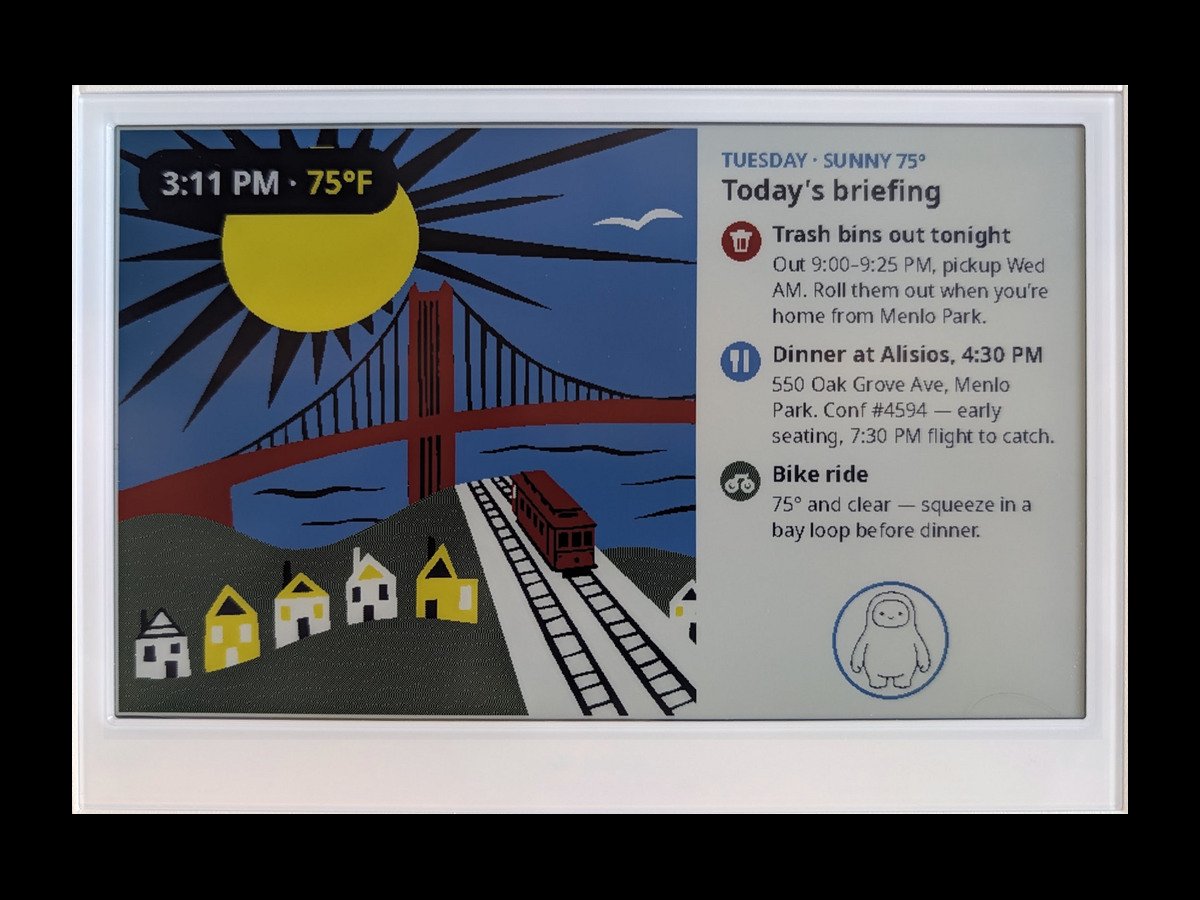
On October 2, 2026, Meta officially announced "Muse Gadgets," an open-source hardware initiative that enables developers and builders to connect its personal AI agent, Muse, directly to custom physical devices. Introduced by Nat Friedman, Product Lead at Meta Superintelligence Labs, and Alexandr Wang, Chief AI Officer, the project is released under the Apache 2.0 license on GitHub via the facebookincubator/muse-gadget-sdk repository.
Image source: X @supernovajunn / Meta
This release bridges AI agents—previously constrained to web browsers and smartphone apps—into the physical environment. It provides ready-to-flash software stacks for popular off-the-shelf microcontrollers like the ESP32 and Linux single-board computers (SBCs) such as the Raspberry Pi, turning maker workbenches into physical AI interfaces.
1. Muse Gadgets Architecture: ESP32 Firmware and Linux Device SDK
The Muse Gadgets SDK delivers a dual-layer software foundation designed to turn commodity components into dedicated AI peripherals:
- ESP32 Firmware Stack (
esp32/): Built on the official ESP-IDF v6.0.1 toolchain, this firmware manages Wi-Fi networking, low-latency audio streaming buffers, display graphics rendering pipelines, and secure WebSocket/HTTPS transport directly to Muse agent endpoints. - Linux Device SDK (
linux/): Designed for embedded Linux systems such as the Raspberry Pi, running as a background daemon service (musegadgetinstalled under/opt/musegadget) to manage audio I/O hardware and peripheral driver bindings. - Supported Form Factors and Peripherals:
- Color E-Ink Displays: Zero-idle-power morning briefing boards displaying daily schedules, weather data, and task summaries.
- Circular AMOLED Dials: Push-to-talk desktop assistant pucks with tactile input buttons.
- HDMI TV Sticks: Dedicated adapters outputting continuous Muse agent status and visual cards to large screens.
- Smart Home Automation: Native integration bridges with Home Assistant and compatible smart speaker hardware.
2. Token-Driven Coding Agent Onboarding Workflow
Meta has paired the SDK release with an agent-assisted flashing workflow that removes the friction of manual toolchain setup:
- API Token Acquisition: Builders generate an SDK connection token through their active Muse account at
gadgets.muse.ai. - Coding Agent Delegation: Developers point their AI coding agent of choice (such as Muse Code, Claude Code, or Codex) directly to the
facebookincubator/muse-gadget-sdkrepository and its onboardAGENTS.mdinstructions. - Automated Flash and Configuration: The coding agent automatically handles board pin mappings, Wi-Fi credential provisioning, compilation, and flashing over serial connections.
This workflow eliminates manual C/C++ build configuration, allowing makers to describe device capabilities and trigger builds using natural language instructions.
3. 'Muse Home Link' Adapter Batch and Licensing Constraints
Alongside the DIY software release, Meta introduced an official physical hardware accessory called the "Muse Home Link."
- USB-C Powered Local Bridge: A compact network adapter that sits on the local Wi-Fi network without requiring a display, dispatching local HTTP control commands to smart lighting, smart TVs, speakers, and networked printers.
- 5,000 Free Units for US Subscribers: Meta is distributing a limited production batch of 5,000 units on a first-come, first-served basis to active US Muse subscribers (via waitlist registration), with shipments scheduled throughout October 2026.
Developers planning to integrate the SDK should keep two practical operational constraints in mind:
- Service Account Dependency: While the firmware and SDK source code are freely usable under Apache 2.0, communicating with the live Muse assistant requires an active Muse account and a valid token issued via
gadgets.muse.ai. - Scope of Release: The open-source repository covers the device transport and client layer only; the core Muse foundation model weights and agent backend remain proprietary cloud services.
Sources
- GitHub Repository: facebookincubator/muse-gadget-sdk (Apache-2.0)
- Meta Muse Gadgets Portal: gadgets.muse.ai
- Nat Friedman on X (@natfriedman): Muse Gadgets Release Announcement
- X Community Signal (@supernovajunn): Muse Gadgets Overview Post