Kyobo Book Halts Bulk Order of 100,000 Titles Suspected for AI Training
South Korea's largest bookstore chain, Kyobo Book Centre, has halted negotiations over inquiries from overseas firms seeking to purchase 100,000 distinct Korean
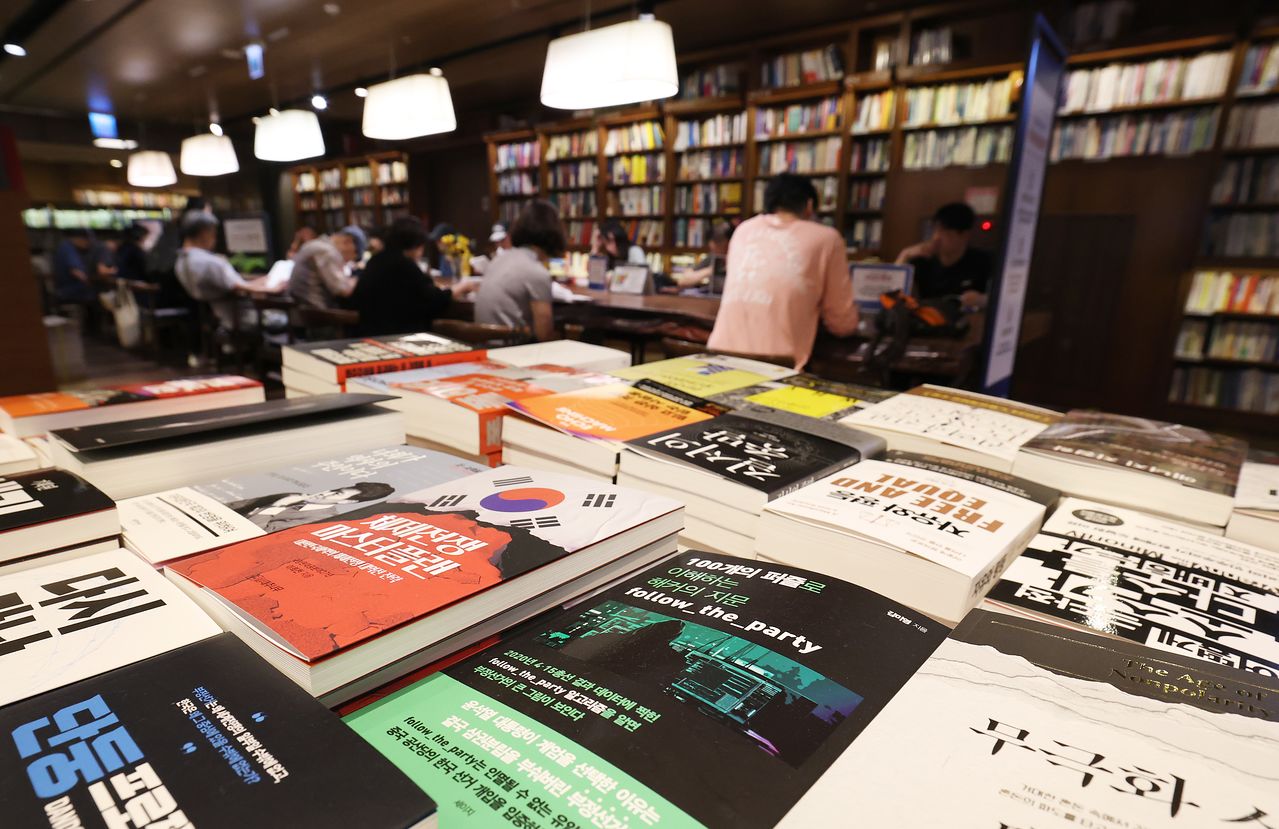
On October 14, 2026, it was confirmed that Kyobo Book Centre, South Korea's largest bookstore chain, completely halted discussions regarding bulk purchase inquiries for approximately 100,000 Korean-language books suspected of being gathered for artificial intelligence training datasets.
Image source: 중앙일보 / 뉴스1
The purchase inquiries began emerging early this year, originating from around ten overseas entities based in countries including the United States and the United Kingdom. The prospective buyers requested one copy per title across approximately 100,000 diverse Korean-language publications without distinguishing by specific subject or genre. This confirms that suspected AI data acquisition efforts have expanded beyond secondary used book distributors into major commercial wholesale book distribution channels.
Order Pattern of 'One Copy per Title' and Concealment of End Buyers
The purchase inquiries received by Kyobo Book Centre deviated sharply from conventional commercial book distribution and wholesale ordering practices.
The overseas entities seeking to place the orders—approximately ten firms registered primarily in the United States and the United Kingdom—presented an unconventional acquisition criterion: purchasing exactly one copy per title across roughly 100,000 published Korean books without distinction of specific titles or subject fields, rather than focusing on established bestsellers or targeted academic disciplines. Within the publishing and distribution sectors, sweeping purchases of single copies across vast catalogs are widely recognized as a signature pattern for scanning and optical character recognition (OCR) workflows designed to construct text pre-training corpora for large language models (LLMs).
- Concealment of End Buyers: When asked to clarify the final destination and intended purpose of the books, the intermediary purchasing entities declined to disclose specific corporate details, citing non-disclosure agreements (NDAs). Some entities provided only vague descriptions, referring to the end clients as "data-related companies."
- Verified Caveats: Because the overseas firms claimed that the purchases were "not intended for AI training purposes" or invoked NDAs to withhold the identity of their clients, the official identities of the underlying AI companies sponsoring the attempted transactions have not been formally established.
Data Harvesting Expands from Used Book Markets to New Book Wholesale Networks
This incident demonstrates that efforts by international AI data brokers to acquire Korean-language training materials have escalated beyond secondhand book markets to target primary retail supply chains.
Earlier attempts had already been documented, including inquiries from an Arizona-based firm identified as Company B that approached domestic used book distribution networks, including Yes24's secondhand outlets and the municipal used book exchange Seoul Book Bogo. Faced with physical limitations in sourcing 100,000 distinct titles through fragmented secondhand inventories, data collectors appear to have redirected their efforts toward South Korea's largest commercial bookstore, attempting to secure high-quality curated Korean text directly through wholesale channels in a single operation.
Kyobo Book Centre ultimately decided to abandon all discussions after reviewing the potential copyright infringements and adverse repercussions for the domestic publishing ecosystem. The defensive move was aimed at protecting publishers and authors from having physical books converted into digitized text and ingested into commercial AI weights without explicit authorization.
However, the decision also highlights an institutional void: the halt was an independent, proactive measure undertaken by Kyobo Book Centre in the absence of standardized industry guidelines or regulatory frameworks governing bulk commercial book sales to data brokers.
Global Precedent with Nippan and Anthropic Spurs Publishing Industry Action
Precedents for AI companies acquiring physical new books through major commercial book distributors have already surfaced in international markets.
In Japan, major book distributor Nippan (Nippon Shuppan Hanbai) faced intense backlash from authors and publishers after selling physical copies of newly released Japanese books to US-based AI developer Anthropic. That incident ignited significant debate over the legality and ethics of distributors reselling copyrighted physical books to technology firms for AI ingestion without the knowledge or consent of rights holders.
Following the Kyobo Book revelations, South Korea's publishing community is mobilizing collective countermeasures:
- Fact-Finding Survey: The Korean Publishers Association (KPA) has decided to pursue a fact-finding survey into contacts made by overseas AI data collection brokers targeting major bookstores and secondary book networks.
- International Solidarity: The KPA plans to release a formal statement aligning with the Frankfurt Book Fair appeal against unauthorized AI training, urging policymakers and industry stakeholders to establish institutional protections for creators.
Without clear contractual protections and legal standards safeguarding published works against unauthorized ingestion into commercial foundation models, attempts to circumvent traditional licensing channels through physical book distribution networks are expected to persist.