KLING 4.0 30-Second T2V One-Shot Prompt and Official MCP/CLI Workflow Tips
A comprehensive breakdown of generating natural 30-second daily life videos with KLING 4.0 in a single text-to-video pass using structured timeline prompts, plu
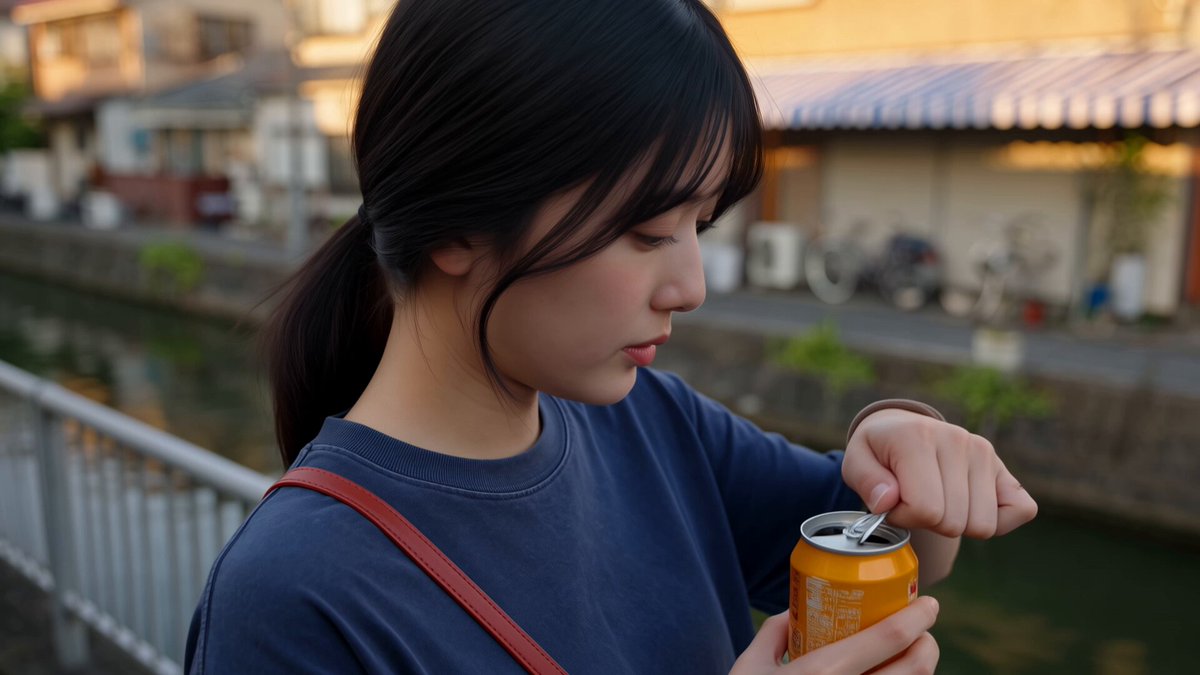
AI video creator Agi (@agi_aibusi) has shared a field-tested workflow for generating a seamless 30-second daily life sequence in a single prompt execution using the newly released KLING 4.0 Text-to-Video (T2V) model, alongside practical techniques for driving production through official MCP and CLI integrations in Codex and Claude Code.
Image source: @agi_aibusi (X)
Released by Kling AI, KLING 4.0 introduces substantial improvements in sustained physical continuity, prolonged video duration, and granular camera handling. This guide breaks down the five structural pillars behind crafting realistic 30-second timeline prompts—from POV camera hesitation to ambient acoustic cues—and outlines how developers can automate video generation through coding agents without incurring separate API wallet charges by leveraging active subscription credits.
5 Core Structural Principles of 30-Second T2V One-Shot Prompts
Generating a cohesive 30-second sequence from a single text prompt requires uniting micro-narrative, subject anchors, environmental textures, responsive camera behavior, and timed sequence intervals into an unbroken context:
- The Small Story: Establish an unscripted, natural dynamic between two companions during an afternoon walk in a Japanese regional city. Opening a juice can, realizing a camera is recording, feeling momentary embarrassment, and adjusting walking pace build authentic relational intimacy.
- Subject Anchoring (The Woman): Explicitly specify an approachable 24-year-old woman rather than an idealized model. Dark brown eyes, natural skin texture, a loose low ponytail with escaped strands from summer humidity, a faded navy cotton T-shirt, ivory trousers, gray sneakers, a rust-colored crossbody bag, and a simple wrist hair tie serve as rigid visual anchors across all cuts.
- Environmental Textures (The Place): Eschew tourist landmarks in favor of lived-in neighborhood details: patched asphalt, concrete canal footbridges, sun-warmed metal railings, compact houses with tiled roofs, outdoor air-conditioning units, tucked bicycles, and overhead utility lines bathed in late-afternoon midsummer sunlight.
- Responsive Camera Mechanics (How the Camera Behaves): Emulate a lightweight consumer camera held at eye or chest level by a walking companion. Reframe dynamically in response to her gaze, include slight micro-shakes when laughing, introduce walking cadence variations, and allow momentary focus hunting when she approaches too closely to eliminate glossy commercial sheen.
- Timed Sequence Progression (Suggested Edit): Divide the 30-second duration into six distinct 5-second intervals so the diffusion model executes natural visual transitions as time elapses.
| Interval | Scene Composition | Directional Focus |
|---|---|---|
| 0:00–0:05 | Canal Railing Drink Opening | Pulls open a mandarin juice tab, sips, notices the lens, and flashes an amused, surprised smile. |
| 0:05–0:10 | Lane Walk & Companion Check | Walks slightly ahead, turns back to wait for the camera operator with patient affection. |
| 0:10–0:15 | Wind Chime & Quiet Pause | Pauses under eaves listening to a glass wind chime, brushing loose hair aside while catching his gaze. |
| 0:15–0:20 | Canal Bridge Inspection & Laugh | Peers over a concrete bridge, steps close enough to briefly throw off camera focus, and laughs softly. |
| 0:20–0:25 | Shaded Rest & Drink Sharing | Holds the juice can toward the lens in a friendly offering gesture, reacting with raised eyebrows. |
| 0:25–0:30 | Arm Touch & Shadow Fade-out | Lightly touches his forearm to resume walking as the camera dips down toward overlapping pavement shadows. |
Complete 30-Second Verbatim Prompt
The exact English prompt used to achieve the single-pass 30-second T2V output can be entered directly into the KLING 4.0 interface or passed via MCP tool calls:
Create a 30-second video in 1920×1080, with the realism of an ordinary recording a boyfriend made of his girlfriend during a summer walk in Japan.

The small story:
They have no particular destination. She has just opened a can of fruit juice, and he starts recording without announcing it. Over the next half-minute, she gradually notices the camera, gets a little embarrassed, and begins including him in the moment. Their familiarity should come through in how she waits for him, looks at him, and closes the distance between them.

The woman:
A beautiful Japanese woman around 24 years old, with an approachable, individual face rather than a polished model appearance. Dark brown eyes, natural skin texture, light everyday makeup, and straight black hair loosely gathered in a low ponytail. A few short strands around her temples have escaped in the summer humidity.

She wears a faded navy cotton T-shirt, loose ivory trousers, comfortable gray sneakers, and a small rust-colored crossbody bag. A plain elastic hair tie is around one wrist. Keep her facial features, hair, outfit, bag, and proportions consistent in every shot.

Her expressions are understated and responsive. Sometimes she looks distracted or squints in the light. Her smile develops because of something between them, rather than appearing on cue.

The place:
A residential neighborhood in a regional Japanese city, near a narrow canal. Late afternoon in midsummer, with warm sunlight still reaching the upper parts of the houses.

Use ordinary local details: patched asphalt, short concrete bridges over the canal, metal railings warm from the sun, compact houses with tiled roofs, frosted entrance windows, outdoor air-conditioning units, bicycles tucked beside gates, and plants growing in mismatched pots. Utility wires cross the sky. A striped fabric awning hangs outside a closed shop farther down the street.

Avoid famous landmarks and postcard compositions. The location should feel like somewhere the couple already knows.

How the camera behaves:
The boyfriend holds a small consumer camera at his own eye or chest level. Most of the time he is beside her or only a step behind. The viewpoint should feel like her companion's attention, with no third-person shots of the couple.

Let framing respond to their interaction. When she suddenly looks at him, he may take a fraction of a second to correct the composition. When he laughs, the camera moves slightly. When they walk, his footsteps create a gentle, uneven rhythm.

Use ordinary consumer-camera rendering: restrained detail, modest dynamic range, occasional clipped highlights, a little shadow noise, and slight focus hesitation when she moves closer. Preserve natural skin color.

Keep the camera's attention on her face, gestures, and shared surroundings. Avoid fashion poses, body-scanning shots, elaborate camera moves, slow motion, or a glossy advertising finish.

Suggested edit — six short memories from the same walk:

0:00–0:05
She stands beside a low canal railing with a small, unbranded can of mandarin orange juice. The recording begins just as she finishes lifting the pull tab. She takes a sip, lowers the can, and notices that he is filming.

She looks directly at him with a briefly puzzled expression, then gives a small, amused smile, as though silently asking, “Really, you're filming this?”

Begin with a slightly loose frame that includes her hands and the canal, then let the boyfriend adjust it toward her face.

0:05–0:10
A cut to the two of them walking side by side along the narrow lane. She carries the can naturally in one hand.

She gets half a step ahead, realizes he has slowed down while filming, and turns back. Instead of posing, she waits with a mildly impatient but affectionate look. Once he catches up, she resumes walking beside him.

Her gaze should meet the person holding the camera, not an imaginary audience.

0:10–0:15
They pause near a house entrance where a small glass wind chime hangs beneath the eaves.

A breeze makes it ring. She glances upward and listens for a moment. Loose strands of hair move against her cheek; she brushes them aside with her free hand.

She notices him still watching her through the camera and suppresses a smile before looking back toward the wind chime.

Keep this moment quiet and unhurried.

0:15–0:20
On a short concrete bridge, she stops to look down at the canal. The camera first catches the rippling water, then tilts back toward her after she has already turned around.

She leans slightly toward him to see what he is recording. Her face briefly comes too close for the camera's focus, making her laugh softly and step back.

The laugh should feel like a shared interruption, with a small answering movement from the camera.

0:20–0:25
They rest beside the bridge in the shade. She is closer to the camera now, relaxed enough to stop paying attention to being filmed.

She takes another small sip of juice, then holds the can toward him as an offer. Leave the can clearly visible in the foreground, separate from her face.

He does not take it during the shot. She gives a tiny questioning lift of her eyebrows, then draws it back with an affectionate smile.

0:25–0:30
She steps toward him and gently touches his free forearm, inviting him to keep walking. Only a small, natural part of his arm may enter the lower edge of the frame.

As they start moving together, he lowers the camera. The view drifts from her smiling face to her bag, their moving shadows, and the sunlit pavement.

Let the last second settle on the overlapping shadows of two people walking close together. End with an ordinary recording stop, without a dramatic transition or title.

Sound:
Use the sound that would actually reach the camera microphone: cicadas, the juice can opening, a few footsteps, a wind chime, faint canal water, distant tires on the road, and their quiet laughter.

A single softly spoken Japanese remark such as “撮ってたの?” may occur when she first notices the camera, but speech is optional. Do not add explanatory dialogue.

No music, voiceover, or added dramatic sound effects.

Continuity and physical detail:
There is one juice can, carried by her throughout the sequence. Its color, size, opening, and remaining shape stay consistent. The crossbody strap stays on the same shoulder. Her ponytail remains tied.

Hands should hold objects with believable contact and weight. Walking speed, foot placement, shadows, and reflections must agree with the surroundings. Keep the canal, bridge, houses, sunlight direction, and summer weather coherent between cuts.

Emotional direction:
The viewer should feel that she knows and trusts the person behind the camera. Build that feeling through small changes in distance and attention: noticing him, waiting for him, leaning in, offering a drink, and asking him to walk beside her.

Let ordinary pauses remain. Her beauty is something her boyfriend happens to notice during their time together.

The finished video should feel like a personal memory he would keep because of the way she looked at him that afternoon.
Official MCP/CLI Integration and Subscription Credit Advantages
A standout architectural advantage of the KLING 4.0 launch is official support for the Model Context Protocol (MCP) and dedicated CLI tools:
- Coding Agent Orchestration: Integrating the official MCP server into Codex or Claude Code allows users to trigger end-to-end video production directly from terminal prompts or mobile chat interfaces.
- Skill Modularity: Encapsulating validated timeline prompt structures into reusable agent skills locks in output quality and structural consistency across prompt revisions.
- Direct Consumption of Subscription Credits: Unlike standard third-party AI APIs that require pre-funding dedicated developer wallets, Kling’s official MCP allows users to draw directly from their active web subscription credit pool (including bonus credits from creator partner programs). This eliminates secondary billing friction for automated generation pipelines.
Cost Comparison and Platform Roadmap
According to side-by-side cost evaluations by @agi_aibusi, KLING 4.0 operates at less than one-third the cost of Seedance 2.5, mounting aggressive price competition against prevailing long-form diffusion alternatives.
Kling AI's official announcement confirms that while the web creation portal (klingai.com) and MCP/CLI interfaces are available immediately, several enterprise capabilities are scheduled for near-term deployment:
- 10-bit HDR Video Output: Native 10-bit HDR pipeline delivery across both 4K and 1080p resolutions.
- Developer and Enterprise API Access: Standalone programmatic API tiers for large-scale enterprise workflows.
Original source
- Agi (@agi_aibusi): KLING 4.0 30-Second T2V Prompt and MCP Workflow Thread
- Kling AI Official X (@Kling_ai): KLING 4.0 Official Release and MCP/CLI Announcement