Hermes Gadget SDK Expands Open Ecosystem: Porting Autonomous AI Agents from Smartwatches to Repurposed Phones
Following the release of the Hermes Gadget open SDK powered by Nous Research's agent framework, open-source community contributors are rapidly porting the syste
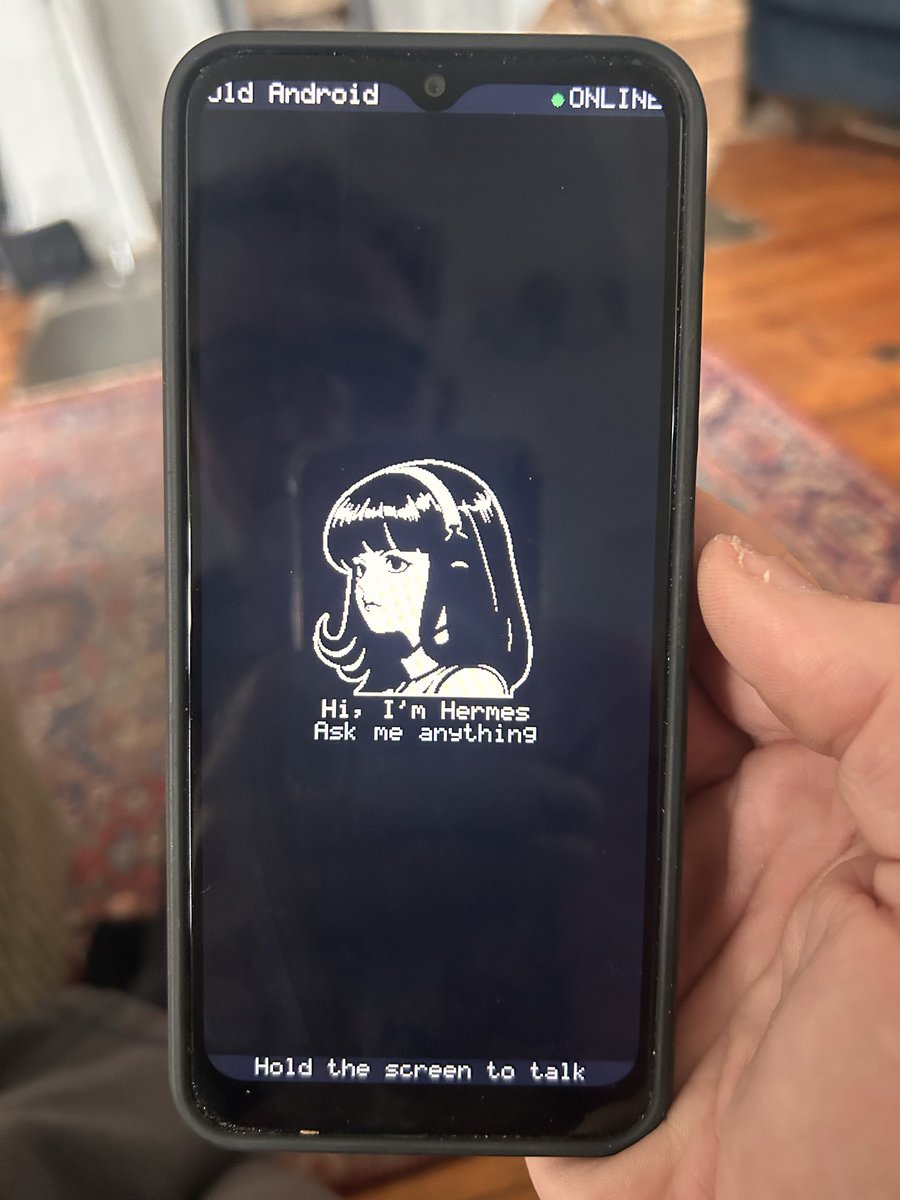
Following the open-source release of Hermes Gadget—an open SDK designed to bring the Nous Research Hermes Agent ecosystem to physical devices—the developer community has rapidly expanded ports across a wide array of embedded boards and portable hardware form factors.
Image source: Adolan (@adolandev)
Just days after developer Adolan (@adolandev) introduced the Hermes Gadget SDK and initial demonstration builds, open-source contributors began showcasing custom hardware deployments and submitting pull requests, driving active integration of new board targets into the main repository branch.
Expanding On-Device Agents Across Multiple Form Factors
Hermes Gadget is an open SDK engineered to extend Large Language Model (LLM) agent capabilities beyond traditional desktop environments and cloud servers, enabling real-world interactions on low-power microcontrollers, wearables, and standalone desktop accessories.
Community deployments and in-progress ports currently span several distinct hardware categories:
- LilyGO Smartwatches (T-Watch Series): Wrist-worn implementations providing compact visual interfaces, alert handling, and voice/text interaction driven by the Hermes agent runtime.
- AIPI Lite Boards: Embedded microcontroller and AIoT ports tailored for lightweight, energy-efficient edge setups.
- Desk Gadgets: Standalone desktop accessories equipped with small displays acting as persistent, dedicated ambient assistants.
- Repurposed Android Smartphones: Repurposing older, idle mobile devices into dedicated, standalone physical AI agent stations.
Architecture and Community-Driven Main Branch Expansion
A distinguishing factor of Hermes Gadget is its community-centric architecture, prioritizing open pull requests over a single proprietary hardware vendor lock-in.
- Modular Hardware Abstraction: Separates low-level display drivers, input peripherals, and wireless networking layers from the core Hermes agent logic, allowing diverse hardware boards to share identical high-level workflows.
- Flexible Backend and Cloud Integration: Compensates for resource constraints on microcontrollers and legacy phones through structured communication pipelines with Nous Research Hermes agent backend APIs.
- Continuous PR Integration: Independent hardware hackers and developers actively contribute board-specific configurations, test results, and pinout profiles directly upstream.
Hardware Considerations and Implementation Caveats
While the ecosystem is expanding rapidly, running agentic workflows across heterogeneous hardware presents practical caveats:
- Varying Board Maturity: Runtime stability, UI responsiveness, and sensor integration depth depend heavily on the maturity of individual community-maintained board ports.
- Network and Resource Constraints: Ultra-low-power microcontrollers and legacy Android phones require reliable network connectivity to backend APIs and careful power/memory management configurations.
By turning existing development boards and idle mobile devices into interactive agent terminals, Hermes Gadget demonstrates a viable, community-driven alternative to closed proprietary AI hardware accessories.
Sources
- Adolan on X (@adolandev): Hermes Gadget Multi-Device Community Ports Announcement