GPT Image 2.5 Low-Light Indoor Portrait Prompt: Natural Window Light Techniques
A detailed guide to underwood's GPT Image 2.5 prompt technique for capturing low-light indoor portraits using side-back window light, low angles, and tactile te
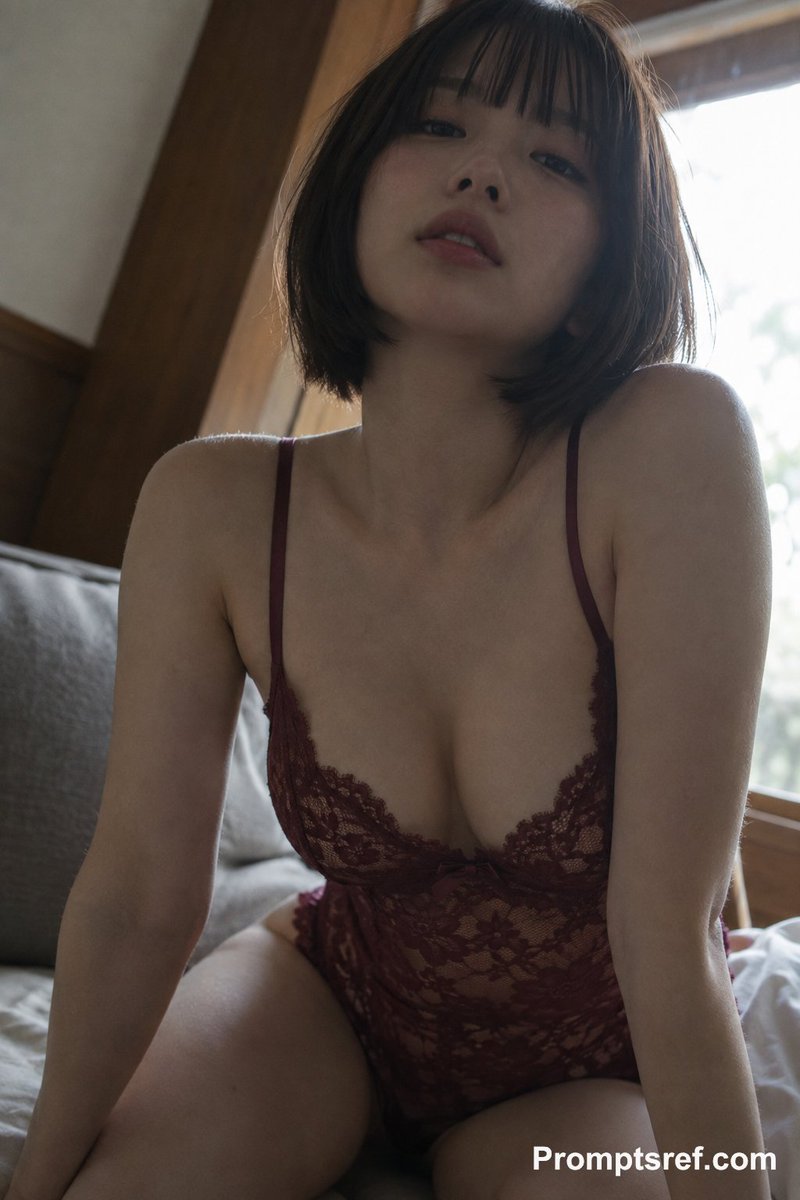
Replicating the quiet intimacy of low-light indoor photography remains a persistent challenge in generative image modeling. AI-generated portraits often default to flat, sterile studio lighting, artificial flash highlights, and unnaturally smooth skin that immediately signal synthetic origins. Visual creator underwood (@underwoodxie96) recently showcased a prompt engineering approach with GPT Image 2.5 that completely bypasses these synthetic traps. By anchoring the generation in directional window illumination, a tilted low-angle perspective, and delicate sensory details, the prompt yields an authentic close-range portrait with natural film-like grain and tactile textures.
Image source: underwood (@underwoodxie96) / X
2:3 Vertical Framing and Ground-Level Low-Angle Composition
Rather than defaulting to standard eye-level portraits or centered headshots, this setup utilizes a classic vertical 2:3 aspect ratio paired with a low camera placement directly in front of the subject. Positioning the lens near the floor and introducing a subtle camera tilt (slightly tilted) immediately shifts the perspective from a staged commercial photoshoot to an intimate, spontaneous snapshot captured inside a private room.
The subject's physical stance and posture are tightly orchestrated to reinforce this candid atmosphere. Seated beside soft indoor furniture, she supports herself with both arms and leans forward toward the low-mounted lens. Her head tilts back slightly as she gazes downward beneath gently lowered eyelids, accompanied by softly parted lips. Paired with a short dark brown-black bob and straight bangs, this posture grounds the character in physical space, establishing a natural emotional weight while breaking away from typical static AI poses.
Side-Back Natural Window Light and Controlled Shadow Dynamics
The technical core of any convincing low-light render lies in how light falloff and shadows are directed. Instead of utilizing broad ambient light, the prompt designates bright side-back natural window light as the primary illumination source. This directional light carves a crisp rim along the contours of the subject's shoulders and arms, separating her silhouette from the background while allowing the vast majority of her facial features to rest in gentle, soft shadow.
Generative models frequently attempt to fill shadows with artificial illumination unless explicitly instructed otherwise. Specifying the contrast between bright backlight and deliberate facial shadow forces the model to respect realistic photographic dynamic range. Furthermore, the background environment avoids nondescript blur: angled warm wooden architecture, a luminous off-white wall patch, and soft pale fabric at the lower edge provide tangible environmental context, giving depth and believable spatial warmth to the enclosed setting.
Preserving Tactile Micro-Textures and Full Prompt Breakdown
To counterbalance digital smoothing, the prompt explicitly demands the preservation of physical surface textures and optical sensor characteristics. The subject's burgundy floral-lace one-piece garment is rendered with fine threadwork detail across the delicate thin straps. Crucially, the prompt commands the engine to preserve natural skin texture, subtle low-light grain, and the uneven illumination characteristic of an intimate, close-range Japanese-style portrait.
By clearly designating the subject as an adult South Korean woman ("clearly adult South Korea woman"), the prompt defines character framing while guiding the model toward the uneven illumination and intimacy of close-range portraiture. The complete, unmodified prompt text is provided below:
A vertical 2:3 low-light indoor portrait in natural window light. A clearly adult South Korea woman with a short dark brown-black bob and straight bangs wears a burgundy floral-lace one-piece with thin straps. Seated beside soft indoor furniture, she supports herself with both arms and leans toward a camera positioned low in front of her. The frame is slightly tilted. She tips her head back a little and looks down into the lens from beneath lowered eyelids, her lips gently parted.

Bright side-back window light outlines her shoulders and arms while leaving much of her face in soft shadow. Behind her are angled warm wooden elements, a luminous off-white area, and pale fabric near the lower edge of the frame. Preserve the fine lace detail, natural skin texture, subtle low-light grain, and uneven illumination of an intimate, close-range Japanese-style portrait.
This workflow demonstrates that achieving high realism in modern generative image models does not rely on vague quality buzzwords like "photorealistic" or "ultra-detailed." Instead, precision comes from defining specific camera coordinates, authentic optical light directions, intentional shadow tolerances, and tangible fabric textures.