Ghost AI Unveils 'Core', an On-Device Personal AI Computer with RTX PRO 4000 Blackwell
Ghost AI has unveiled Core, a personal AI computer running local models 24/7 on-device. Powered by NVIDIA RTX PRO 4000 Blackwell SFF, it hits 87 tok/s on Qwen-3
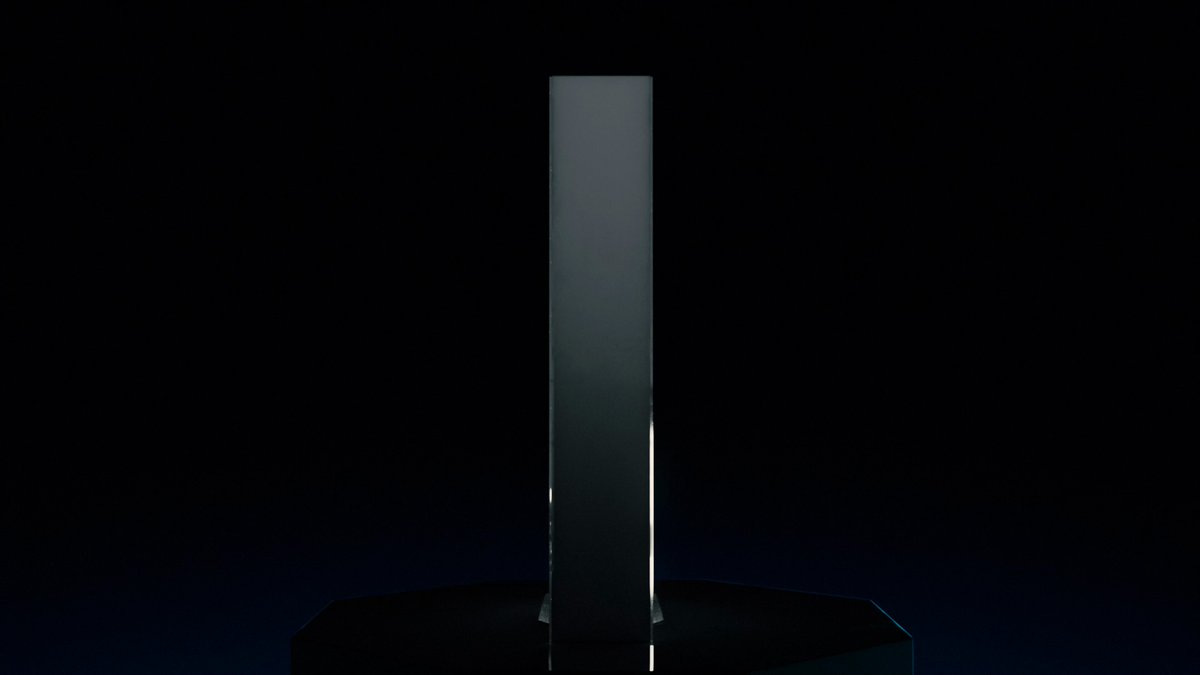
On October 5, 2026, San Francisco-based AI startup Ghost AI officially announced 'Core', an on-device personal AI computer designed to run local models 24/7 entirely inside the home without sending data to external cloud servers, opening pre-orders for its initial production batch.
Image source: Ghost AI / Zain Javaid (@zainmfj)
Challenging the prevailing consumer AI landscape where users upload personal data to centralized cloud providers and lease it back via token metering, Core presents an alternative paradigm: a dedicated, screenless desktop computer that handles foundation model inference, autonomous agent workflows, and personal data aggregation completely on-premise.
Hardware Architecture and Local Inference Benchmarks
Ghost AI Core packages enterprise-grade workstation components into a compact small form factor (SFF) chassis built for continuous agent operation.
- NVIDIA RTX PRO 4000 Blackwell SFF GPU: Incorporates NVIDIA's professional-tier Blackwell architecture in a small form factor, delivering dense tensor compute and sustained high-bandwidth memory for local inference.
- Compute and Memory Foundation: Powered by an AMD Ryzen 5 7600 processor paired with 64GB of DDR5 high-speed memory and a 1TB NVMe M.2 SSD.
- Over 87 Tokens/Second Inference: In benchmark tests with local open-weights models, Core delivers generation speeds exceeding 87 tok/s on Qwen-3.8-27B, while maintaining a steady 32 tok/s throughput on Qwen-3.8-Next.
- Native Harness Compatibility: Beyond its built-in model stack, Core functions as a local high-performance inference backend for developer frameworks including OpenCode, OpenClaw, and Hermes.
Autonomous Agent OS and Multi-Device Context Integration
Rather than functioning solely as a passive inference server, Core operates as an autonomous computer equipped with its own native file system, dedicated web browser, and interactive tooling.
Users interact with Core remotely without connecting a physical display, sending natural-language instructions from their laptop, a dedicated mobile application, or standard iMessage conversations.
- Cross-Device Context Synthesis: Continuously unifies information across local files, calendars, and connected health trackers like Whoop. For example, it detects sleep degradation patterns, correlates them with late evening calendar meetings, and generates actionable scheduling recommendations.
- Real-World Action Tools: Features integrated web navigation and voice-calling capabilities to complete multi-step tasks. In one demonstration, Core searched for local moving services in San Francisco, extracted contact numbers, and placed outbound voice calls to verify pricing and scheduling availability.
- Zero-Cloud Privacy: Because all account credentials, communication logs, and personal health metrics remain resident entirely on-device, personal information is never exposed to cloud training pipelines or third-party telemetry.
The $3,499 Price Point and Operational Constraints
Backed by $11 million in seed funding led by Andreessen Horowitz (a16z) alongside Audacious and Abstract VC, Ghost AI opened first-batch orders at $3,499.
While offering a self-contained local alternative to SaaS subscriptions, prospective adopters must account for several operational constraints:
- Premium Price and Niche Audience: Priced at $3,499, Core is positioned as a specialized hardware appliance aimed at privacy-conscious developers, researchers, and technical power users rather than mass-market consumers.
- Continuous Power and Local Network Requirements: To maintain 24/7 autonomous monitoring and handle inbound remote requests, the unit requires persistent wall power and a stable home network setup.
- Fulfillment and Regional Availability: Deliveries for the initial batch are slated to begin in late October 2026, with international shipping policies and customs support subject to updates on the official ghost.ai portal.
Sources
- Zain Javaid Official X (@zainmfj): Core Launch Announcement Thread
- Ghost AI: Official Website
- TechRadar: Teen founder reveals 'personal AI computer' for running local agents