D&D Publisher Surrenders Entire Anthropic Settlement Share to Authors; Australian Law Firm Launches Big Tech AI Copyright Class Action Probe
Wizards of the Coast has decided to forgo its corporate share of Anthropic's illegal book-training settlement and pass the full amount to authors, while Austral
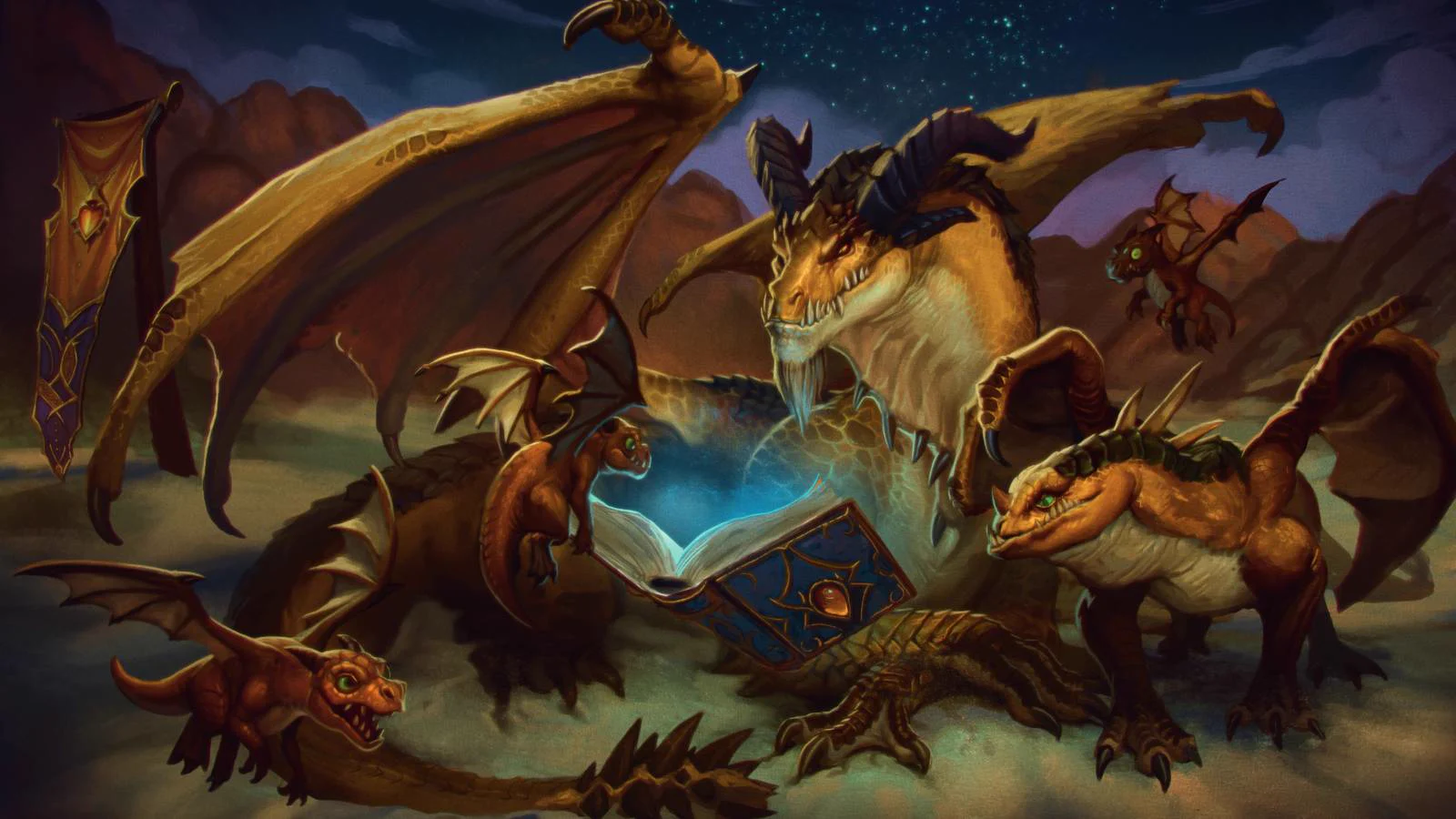
A groundbreaking shift is taking place in the ongoing copyright battles between artificial intelligence corporations and content creators. In a rare move regarding the distribution of a massive settlement over unauthorized book training for generative AI, 'Wizards of the Coast'—the prominent publisher behind 'Dungeons & Dragons' and major fantasy franchises—has chosen to waive its corporate share entirely and pass the funds directly to the affected authors and module writers. Simultaneously, in the Southern Hemisphere, Australia's largest law firm, Shine Lawyers, has launched a formal class-action investigation targeting five major technology companies over the unauthorized use of music and visual art in AI training datasets.
Image source: https://www.polygon.com/dnd-dungeons-dragons-authors-get-settlement-money-wizards-of-the-coast
These developments underscore the deep structural tensions surrounding how AI developers have harvested creative works without consent. Unlike conventional corporate settlements where publishers or intermediaries retain a large cut, Wizards of the Coast's decision to return every dollar to the primary creators sets a notable precedent for how future disputes and financial recoveries might be handled across the creative industries.
Wizards of the Coast Forgoes Corporate Share in Anthropic Settlement
In the wake of Anthropic's massive settlement tied to the unauthorized ingestion of pirated books for AI training, a pivotal policy choice emerged. Wizards of the Coast, publisher of the world's most famous tabletop role-playing game and numerous bestselling fantasy novels, opted out of the traditional 50:50 or company-first revenue-splitting practices common in publishing and intellectual property disputes.
Recognizing that the true victims of unauthorized AI data scraping are the writers who spent countless hours crafting campaign modules, settings, and novels, the publisher elected to surrender its entire corporate allotment. The resulting funds will flow directly to the individual authors whose works were co-opted into training corporeal AI models without permission. This stands as a striking example of a major corporate entity prioritizing creator protection over corporate enrichment.
Shifting Away from the 50:50 Norm Toward Creator-Centric Compensation
In typical large-scale IP litigation or licensing agreements, publishers and distributors routinely claim a hefty administrative fee or management cut of any settlement or royalty based on preexisting contractual clauses. However, Wizards of the Coast's decisive action signals that in the face of unprecedented mass copyright infringement by AI systems, primary creators must be treated as the ultimate beneficiaries of financial redress.
As generative AI models learn literary styles, narrative structures, and world-building frameworks from copyrighted texts, the individuals bearing the brunt of market disruption are the writers themselves, not the corporate middlemen. By stepping aside and passing the full settlement sum to the authors, the publisher has established a high benchmark that other publishing houses and media corporations will likely face pressure to match in future negotiations with tech giants.
Australia's Shine Lawyers Launches Big Tech Class-Action Probe
While North America has been the epicenter of major AI copyright litigation, the legal battleground is rapidly expanding globally. Shine Lawyers, Australia's largest class-action law firm, has formally initiated investigations against five major technology companies over the alleged unauthorized training of AI models using copyrighted music and visual art works.
This investigation marks a critical escalation beyond text-based copyright disputes, bringing the systemic grievances of visual artists and musicians into the legal spotlight. The targeted tech conglomerates face serious scrutiny over whether they systematically scraped artists' portfolios and musical compositions without license or compensation to train commercial generative models. Given the formidable footprint of Shine Lawyers in the Australian legal market, this probe is expected to reverberate across regulatory bodies and courts worldwide.
Broader Implications for Global AI Copyright Litigation
These intertwined developments highlight a critical turning point for copyright governance in the age of artificial intelligence. The decision by Wizards of the Coast elevates voluntary corporate accountability regarding creator rights, while Shine Lawyers' class-action probe signals that comprehensive legal pressure spanning multiple creative mediums is intensifying.
As regulatory frameworks struggle to keep pace with rapid technological advancements, actions taken by prominent publishers and specialized law firms serve as vital counterweights enforcing transparency and fair compensation. For the generative AI ecosystem to mature sustainably, establishing a fair framework that respects and compensates original creators is no longer optional—it is a baseline requirement underscored by these landmark events.