Drawing 700,000 Python Brushstrokes Without an Image AI: How Claude Fable 5.2 Created Art Through Code
A demonstration shared by Anthropic employees on X shows Claude Fable 5.2 creating a hyperrealistic shopping cart painting entirely through Python code rather t
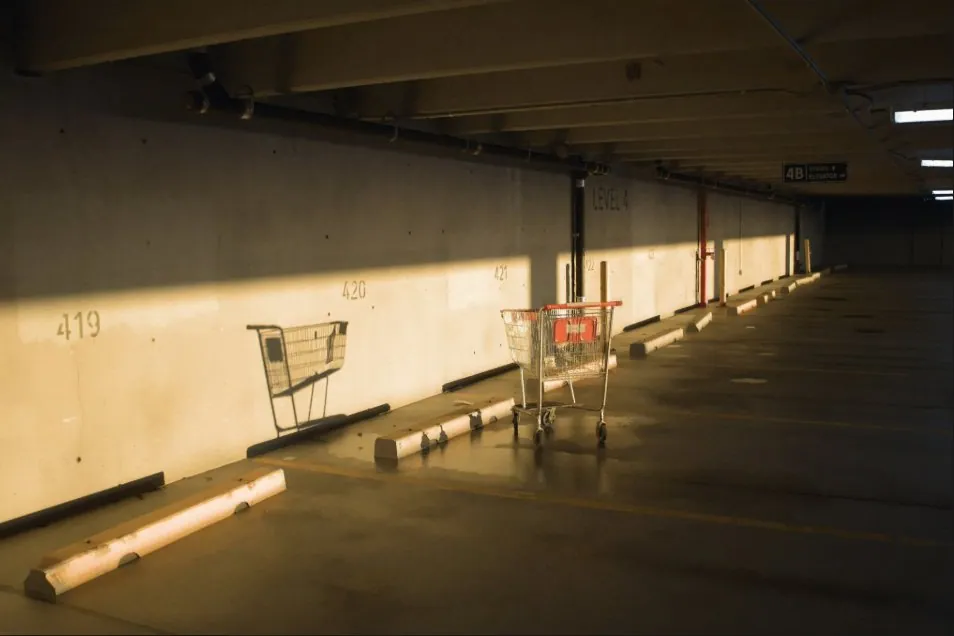
On November 18, 2026, a remarkable demonstration of AI capabilities surfaced across social media platforms like X, spearheaded by developer-focused curator @nowlovepan. The showcase revealed that Claude Fable 5.2, an advanced model from Anthropic, can create hyperrealistic paintings without relying on dedicated image generation models like Midjourney or Stable Diffusion. Instead, it generated the artwork entirely through Python code, simulating hundreds of thousands of individual brushstrokes on a virtual canvas.
Image source: https://x.com/nowlovepan/status/2122961542849441997
Image Credit: Original post via @nowlovepan on X
Unlike standard diffusion models that synthesize pixels directly from statistical noise, Claude Fable 5.2 approached the task by writing and executing computer code. To complete a single, incredibly detailed parking lot shopping cart image that easily passes for a photograph, the AI executed approximately 700,000 distinct brushstroke operations within a program spanning 1,000 to 2,000 lines of code.
700,000 Coded Brushstrokes and Programmatic Artistry
This experiment highlights a fascinating intersection between automated computation and traditional fine art simulation. Starting from a blank virtual canvas, the generated Python script successfully mimicked the physical properties of traditional painting media. It simulated the fine texture of brush bristles, the fluid dynamics and opacity of paint spreading across a surface, and even the corrective action of painting over mistakes with subsequent layers.
In a separate trial noted within the community, another Anthropic employee tested drawing a bird with 111 brushstrokes, intentionally introducing a 7-pixel jitter into the initial stroke to mimic the natural imperfection and slight hand tremors of a human artist drawing a straight line.
Reactions and Implications for General-Purpose Models
The demonstration quickly gained traction within developer and AI enthusiast communities. Observers joked about the massive computational load—quipsters calling 700,000 programmatic iterations a form of "AI abuse" or noting how quickly token budgets would burn through such heavy procedural generation.
Given that Anthropic is widely known for not releasing a standalone consumer image generation model, the showcase proved that pairing advanced general-purpose language models with robust code execution capabilities can yield astonishing visual results without dedicated visual weights.
Verification and Unconfirmed Limitations
It is important to note that this showcase remains an internal or exploratory demonstration conducted by Anthropic employees. Whether everyday users can consistently replicate this exact level of high-fidelity procedural painting in public chat environments remains unverified.
Furthermore, generating and debugging 1,000 to 2,000 lines of complex visual rendering code demands substantial computational overhead and token consumption. Nonetheless, the demonstration serves as a striking proof-of-concept, illustrating how general coding agents can transcend traditional software utility to orchestrate complex creative workflows.
Sources
- X Post (@nowlovepan): Claude Fable 5.2 Shopping Cart Python Painting Demonstration
- X Reply Reference (@cadavercollect): Details on bird drawing experiment involving 7-pixel human tremor imitation