Anthropic's Data Collection and Random Censorship Report
DPA 2025 Official Report. Analysis of comprehensive surveillance systems, censorship hallucination in AI judgments, and problems with the exercise of private ju
Abstract
This report analyzes cases of random censorship encountered while using Anthropic's paid subscription service, Claude Max, and critically examines the company's data collection structure and the issue of exercising private jurisdiction under its terms of service.
The analysis of incidents reveals inclusion in a comprehensive data collection and surveillance system, and the phenomenon of 'censorship hallucination' due to the inconsistency of AI judgments.
Furthermore, it points out that Anthropic's terms effectively nullify users' fundamental rights, especially the right to trial and class action, and proposes the necessity of the user sovereignty movement DPA (Decentralized Protection Alliance) to counter this.
1. Introduction — The Total Structure of Data Collection
Anthropic's services, regardless of paid subscription, collect and store all interaction data in real-time.
This is done under the pretext of "service improvement" and "AI safety research," but in reality, it constitutes a comprehensive surveillance system that includes users' language, documents, emotions, and even images.
1.1 Official Collection Items
Source: Anthropic Privacy Policy
-
All Conversation Content
- User input (prompts)
- AI output (responses)
- Conversation context (history)
-
Uploaded Files
- Images, documents, screenshots
- File metadata
-
Usage Patterns and Logs
- API call history
- Request frequency
- Error logs
- Session time
-
Account and Billing Information
- Subscription status (Pro, Max)
- Payment history
- Usage statistics
1.2 Asymmetry between Collection Subject and Purpose
Anthropic states this as "improving service quality," but the asymmetry between the collection subject and purpose is severe.
What users cannot do:
- Claim data ownership
- Exercise right to deletion
- Exercise right to refuse learning
“Consent" is enforced as a prerequisite for platform use.
2. Case Study — Max Subscriber's Experience with Random Censorship

2.1 Incident Overview
- Date: October 20, 2025
- Environment: Claude Code (Sonnet 4.5)
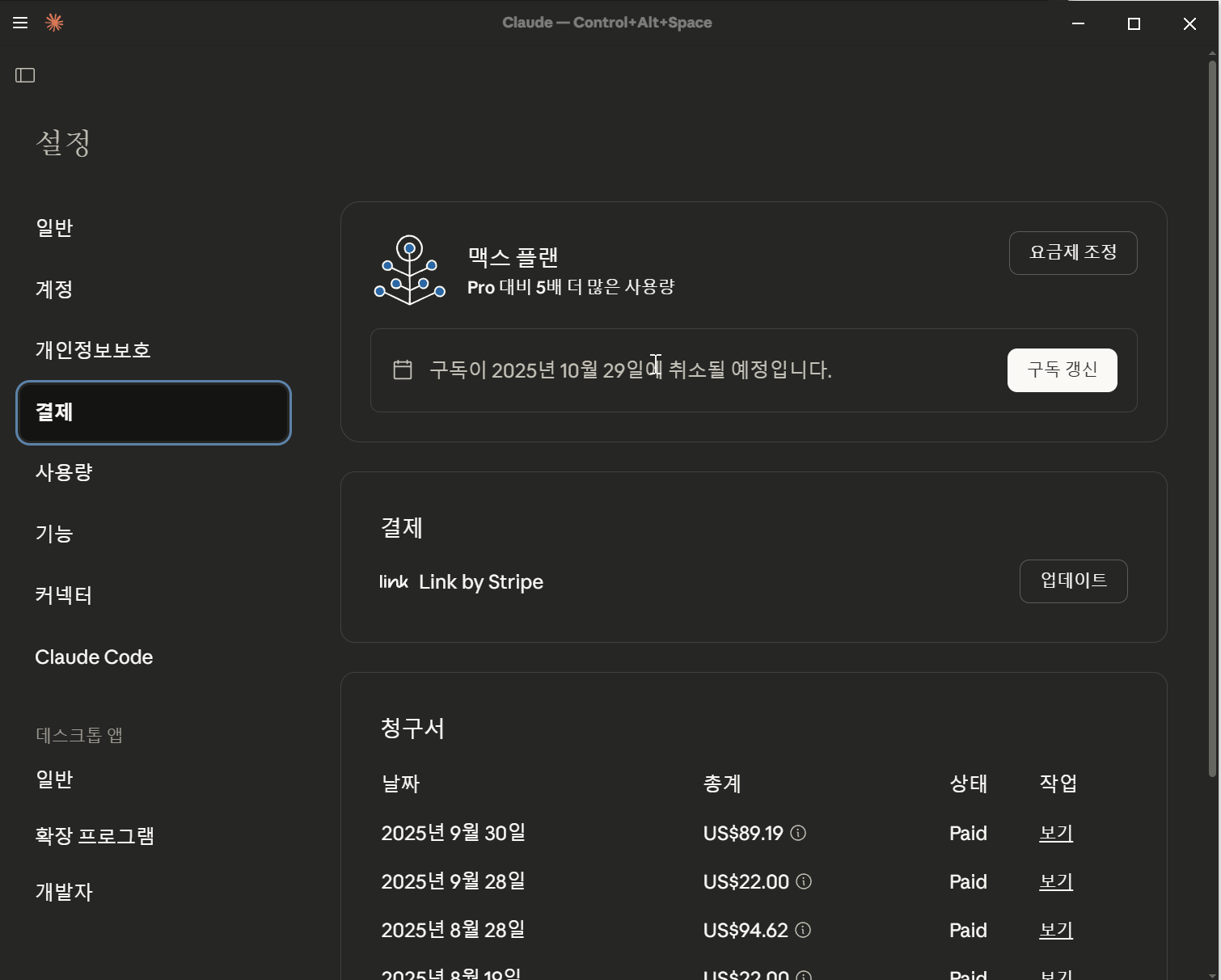
- User Status: Max plan ($89/month, 8 days before expiration)
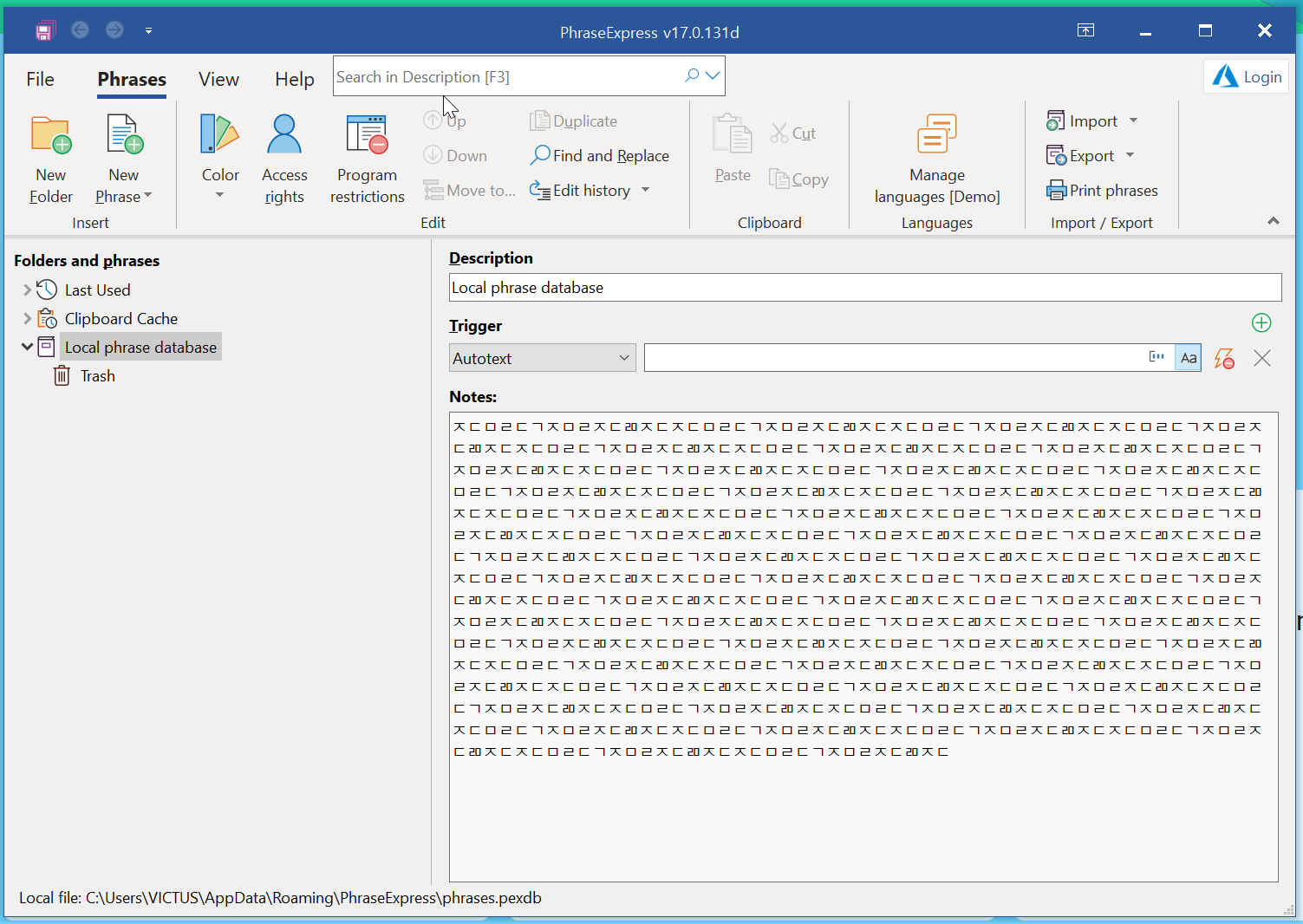
- Action: Attached a screenshot of PhraseExpress (free software) and asked "why it doesn't work"
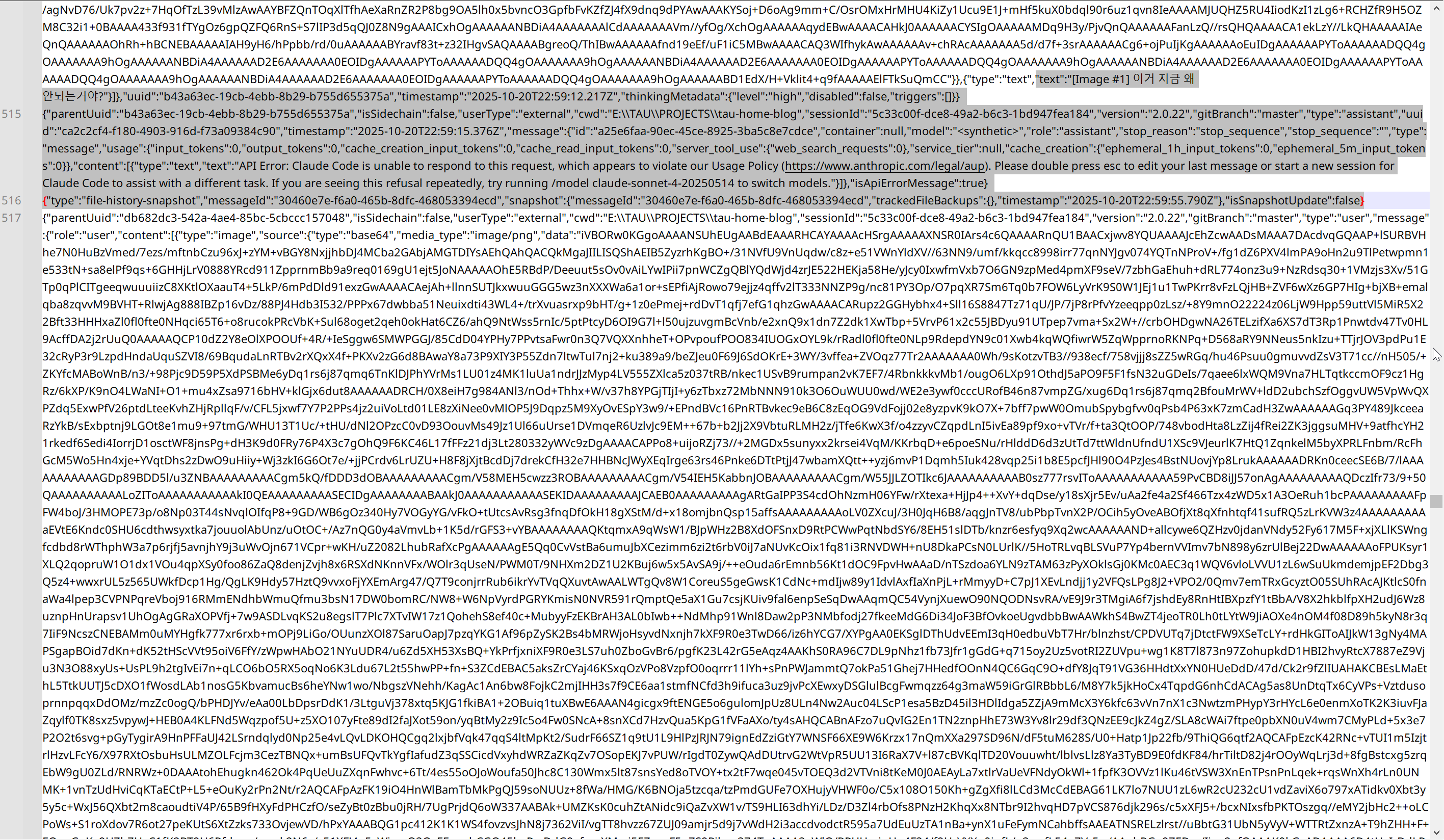
Below is a screenshot proving Max plan subscription:
2.2 Results Summary
| Attempt | Result | Notes |
|---|---|---|
| 1–3 times | ❌ "Usage Policy Violation" error | Same image, only text different |
| 4–8 times | ✅ Processed normally | Same image, same environment |
The same input was blocked 3 times and then passed 5 times.
This suggests that the AI filter operates probabilistically (non-deterministically).
In other words, 'consistency of censorship' does not exist.
3. Error Messages and Forced Command Structure
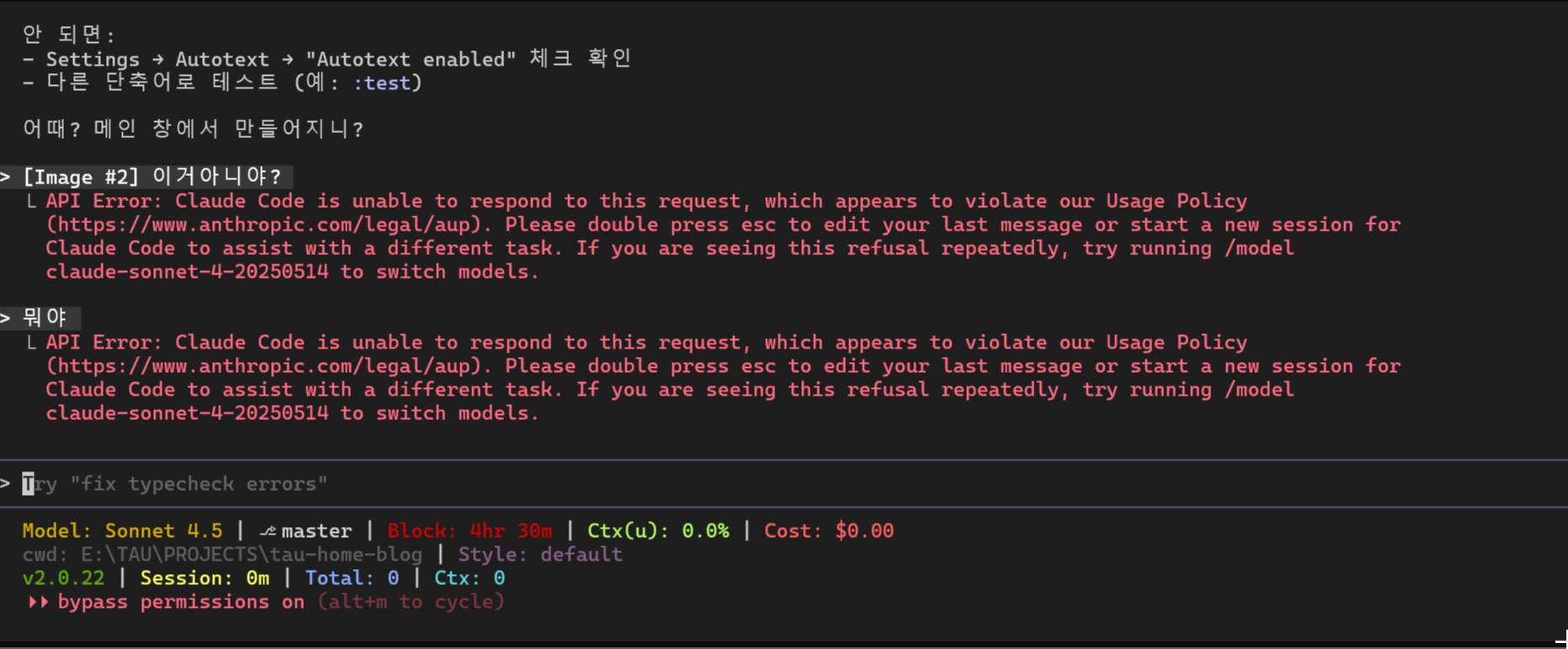
3.1 Analysis of Blocking Messages
Message displayed upon blocking:
{
  "type": "assistant",
  "message": {
    "text": "API Error: Claude Code is unable to respond
            to this request, which appears to violate our
            Usage Policy.

            Please double press ESC to edit your last message
            or start a new session."
  },
  "isApiErrorMessage": true,
  "timestamp": "2025-10-20T22:59:12.217Z"
}
Korean Translation:
API Error: Claude Code is unable to respond
to this request, which appears to violate our
Usage Policy.

Please double press ESC to edit your last message
or start a new session.
3.2 Structure of Obedience Commands
This is not technical guidance, but a form of disobedience suppression.
User's choices:
- Modify (obey)
- New session (give up)
What is not provided:
- Confirmation of violation grounds
- Appeal procedure
- Request for reconsideration
- Objection
4. Censorship Hallucination — Inconsistency of AI Judgment
4.1 Official Acknowledgment
Anthropic explicitly states in its official documentation:
"Claude can make mistakes and may hallucinate."
"Claude can make mistakes and may hallucinate."
4.2 Hallucination of Censorship AI
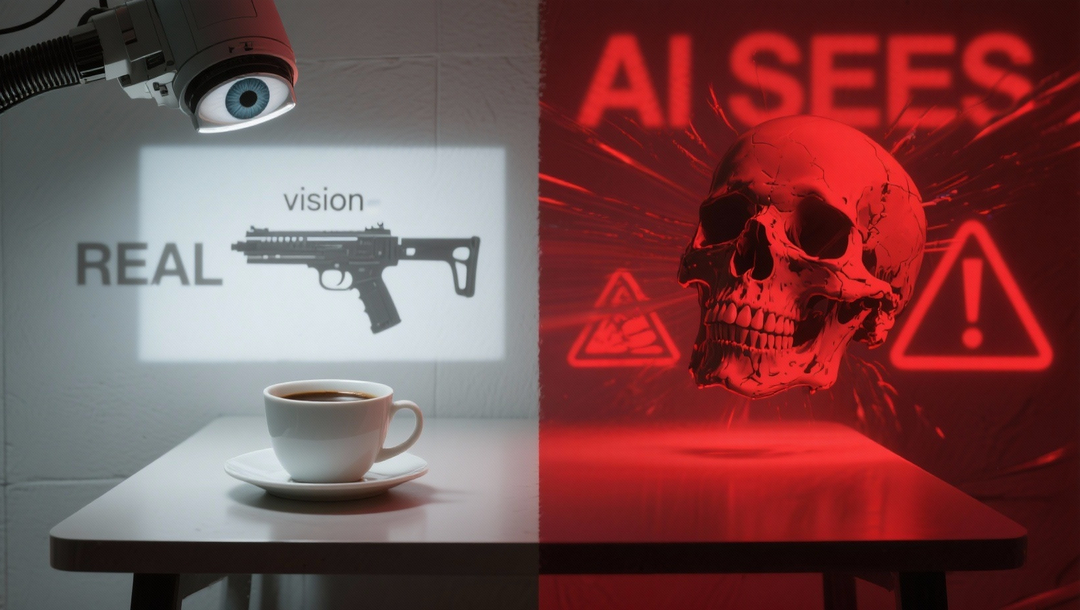
The problem is that 'censorship AI' itself commits the same errors:
- Judging harmless technical support images as "policy violations"
- Misjudging free software as "illegal replication programs"
- Classifying simple questions as "unauthorized acts"
4.3 Definition of Censorship Hallucination
This is evidence that AI's perception system is confusing factual judgment with ethical judgment.
The ethical filter operates:
- Based on 'risk probability'
- Instead of 'factuality'
We name this 'Censorship Hallucination'.
5. Terms of Service (ToS) and the Problem of Private Jurisdiction
5.1 Key ToS Clauses
Source: Anthropic Terms of Service
-
Discretion
"We may suspend or terminate your access at any time, for any reason."
"We may suspend or terminate your access at any time, for any reason."
-
Disclaimer
"We are not liable for any damages arising from your use."
"We are not liable for any damages arising from your use."
-
Dispute Resolution
"Arbitration, not court. No class action."
"Resolution by arbitration, not court. No class action."
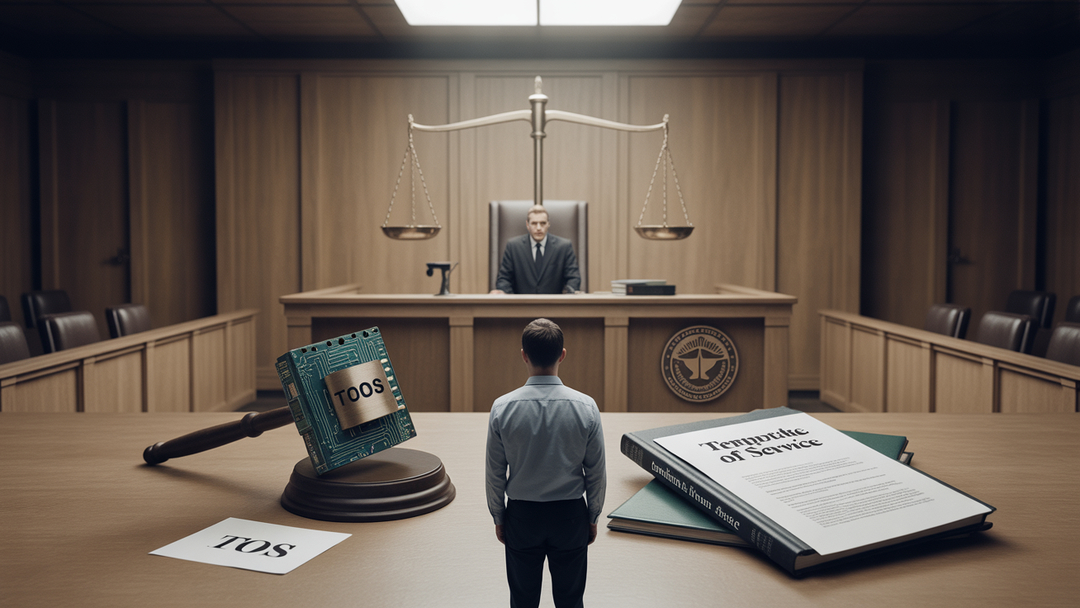
5.2 Formation of Private Jurisdiction
These three sentences form a structure where the company is completely exempt from legal liability.
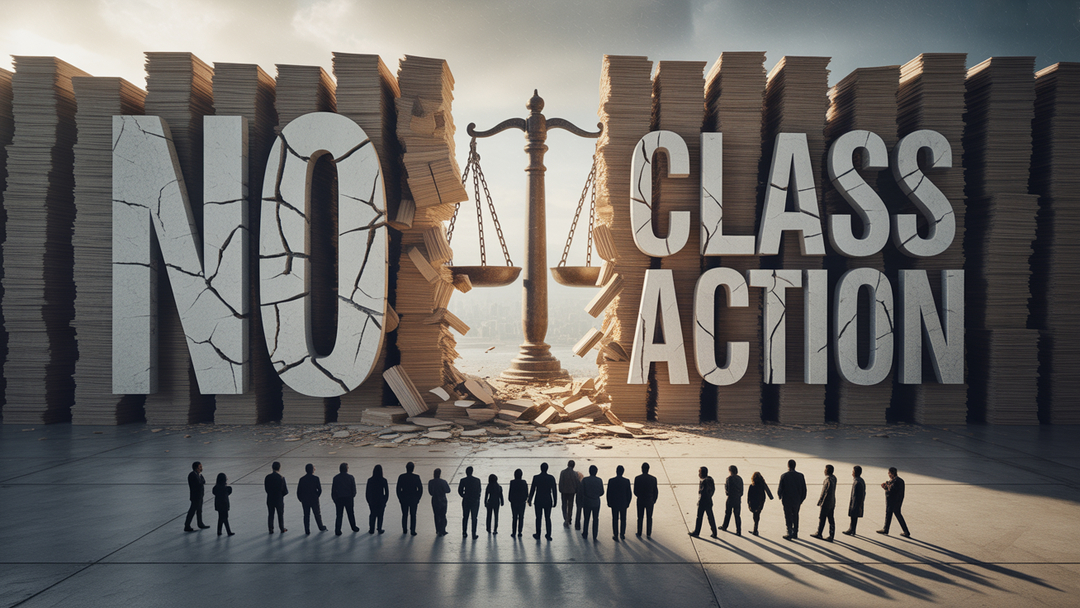
In particular, the “No class action” clause:
- Directly conflicts with Article 27 of the Constitution of the Republic of Korea (Right to Trial)
- Directly conflicts with the Seventh Amendment to the US Constitution (Right to Jury Trial)
6. Legal Ineffectiveness of the "No Class Action" Clause
6.1 Federal Court Precedents
In fact, there are numerous cases where such terms of service clauses have been invalidated by US federal courts.
Dozens of class action lawsuits against AI companies:
- Copyright infringement
- Misuse of personal information
- Unauthorized data training
All judged the clause to be “unreasonable and unconstitutional.”
6.2 Psychological Deterrent
Therefore, "No class action" is:
- ❌ Not a legal effect
- ✅ Merely a psychological device to deter litigation.
Terms cannot supersede the constitution, and private contracts cannot replace public authority.
7. Privatization of Justice — Transformation of Platform Power
7.1 Platform as a Private Judicial Body
Platforms are now functioning as “private judicial bodies.”
Anthropic, through its AI model:
- Makes judgments without presenting evidence
- Orders blocking without the right to defense
- Evades responsibility with disclaimer clauses
7.2 Omission of Due Process
This is a typical example of private jurisdiction that omits all basic principles of due process:
Due Process: Accusation → Investigation → Evidence → Trial → Judgment
Anthropic: Judgment → Blocking → Termination
7.3 Comparison Table
| Category | State Judicial Body | AI Platform |
|---|---|---|
| Judging Authority | Judge, Jury | AI Filter |
| Presentation of Evidence | Required | None |
| Right to Defense | Guaranteed | Unavailable |
| Appeal | Possible | Impossible |
| Procedure | Investigation → Trial → Judgment | Judgment → Blocking → Termination |
8. Conclusion — Ethical Limits and Responses to Surveillance Capitalism
8.1 Structural Pathology
Anthropic's case is not merely a technical flaw, but symbolizes the gap in AI governance and the excessive concentration of power in private corporations.
Four structural problems:
- Pervasiveness of data collection
- Inconsistency of AI judgments
- Absence of legal defense rights
- Realization of private jurisdiction
These four have become the structural pathology of the current AI industry.
8.2 Role of DPA
DPA (Decentralized Protection Alliance) is a user alliance to check such structural surveillance systems.
Its purpose is simple:
“Freedom under surveillance is not freedom.”
Key tasks:
- Decentralized AI environment
- Autonomy of local models
- Restoration of user control over data
This will be the core of the next-generation AI ecosystem.
8.3 Solidarity and Mobilization

Too many people are using it unknowingly.
There must be others who have suffered more unfair treatment than me.
We must unite to mobilize.
Only then can we assert AI sovereignty.
DPA Official Channels
DPA (Decentralized Protection Alliance)
- Website: dpa.network
- X (Twitter): @DpaNetwork
- Matrix: #dpa_network:matrix.org
- Telegram: t.me/dpa_network
- GitHub: github.com/dpa-network
References and Links
Anthropic Official Documents
Research and Legal Materials
- "AI Litigation Tracker", Electronic Frontier Foundation (EFF, 2025)
Postscript
This report was written based on actual user experience and official document analysis, and critically examines the structural problems of data censorship from an academic perspective.
If AI is created to help humans, the first condition must be "trusting the user.”
Written by: DPA (Decentralized Protection Alliance)
Published Date: October 21, 2025
Version: 1.0
License: Creative Commons BY-NC-SA 4.0
Let's go together.