40 Out of 41 Voters Said 'NO': The Clash Between Surging AI Data Centers and Stalled Power Grids
As U.S. AI data center power demand surges at 19% annually while grid capacity creeps up by just 2%, 50% to 60% of projects face severe delays, mirroring widesp
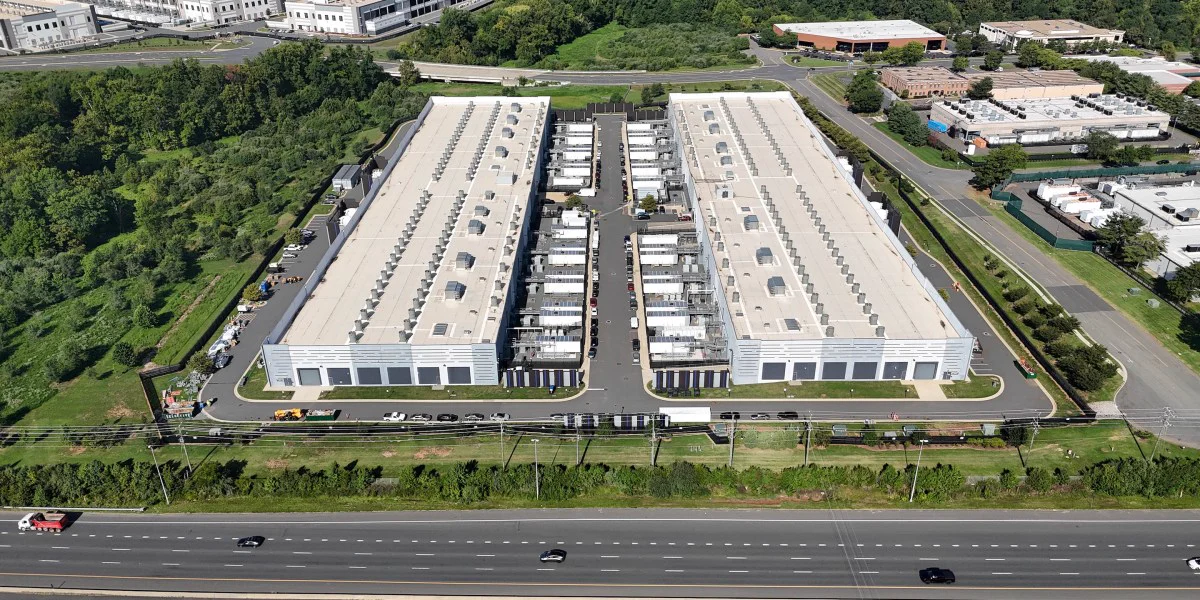
As generative artificial intelligence and large-scale computing infrastructure rapidly expand across industries, a profound physical bottleneck is triggering widespread social and economic clashes. According to recent reports by Fortune citing insurance and energy analytics, electricity demand from U.S. data centers is skyrocketing by an average of 19% each year, while local power grid capacity is projected to expand by a mere 2%, creating an unprecedented infrastructure standoff.
Image source: https://fortune.com/2026/11/22/ai-data-centers-power-grid-capacity
Technology companies continue to deploy high-performance graphics processing units and massive server clusters to drive advanced model training and inference, only to hit a brick wall of severe electricity constraints that threatens to stall projects en masse. Coupled with mounting pushback from local residents concerned about soaring utility bills and environmental strain, the expansion of AI infrastructure is facing unprecedented friction with local communities.
The Staggering Gap Between 19% Demand Surge and 2% Grid Growth
The primary challenge facing the U.S. power market is an acute imbalance between surging demand and stagnant supply. Energy market analysts and insurance industry estimates indicate that electricity consumption driven by AI and cloud data centers is projected to grow at an aggressive clip of 19% annually.
In contrast, the physical capacity expansion of underlying power grids—including high-voltage transmission lines and local substations—remains sluggish at roughly 2% per year. Because transmission permitting and grid upgrades cannot keep pace with this exponential demand, systemic grid overloads are becoming commonplace. Data centers require immense blocks of power and continuous cooling water supplies, but localized grid limitations are increasingly preventing the interconnection of new facilities.
50% to 60% Project Delays Threaten the AI Expansion Timeline
This widening power deficit and transmission bottleneck extend far beyond localized inconvenience, threatening to ripple across the entire tech sector. Industry experts warn that approximately 50% to 60% of currently planned large-scale data center projects face severe risks of delay or indefinite suspension due to grid interconnection backlogs.
While building new substations and expanding transmission corridors typically takes years, the performance scaling of AI models and the commercial appetite for data centers accelerate at a much faster pace. Consequently, completed facilities sit idle without power hookups, or languish in multi-year interconnection queues. These physical limitations of energy infrastructure are rapidly emerging as the single largest ceiling on the growth of the broader AI industry.
Communities Push Back: 40 Out of 41 Local Ballot Measures Reject Data Centers
Alongside grid constraints, local resident opposition has reached a boiling point. Recent election outcomes underscore this public backlash with striking clarity. Out of 41 local ballot measures concerning data center developments voted on alongside midterm elections, an overwhelming 40 were voted down by local electorates.
Communities frequently reject data center proposals because, while these facilities consume massive amounts of power and water, they offer few direct local jobs while raising concerns over noise, environmental impacts, and upward pressure on residential utility rates. Although tech corporations emphasize green energy procurement plans, these pledges have proven insufficient to sway voters deeply anxious about immediate grid instability and infrastructure strain.
The Path Forward for Sustainable AI Infrastructure
This mounting friction demonstrates that the AI revolution is no longer confined to software algorithms and code optimization; it rests squarely on the physical foundation of power generation grids and electrical distribution capacity. Sustainable data center expansion requires not only scaling renewable energy integration but also streamlining transmission permitting, improving grid efficiency, and forging genuine community-benefit models.
Securing computing supremacy in the global AI race will ultimately depend just as much on building resilient power grids and earning local consent as it does on advancing silicon chips and neural network architectures.