Second-by-Second Timeline Prompting for 16mm Cinéma Vérité AI Video
A practical guide to generating realistic 1970s Paris documentary footage with coarse 16mm film grain and handheld camera dynamics using a 0–10 second timeline
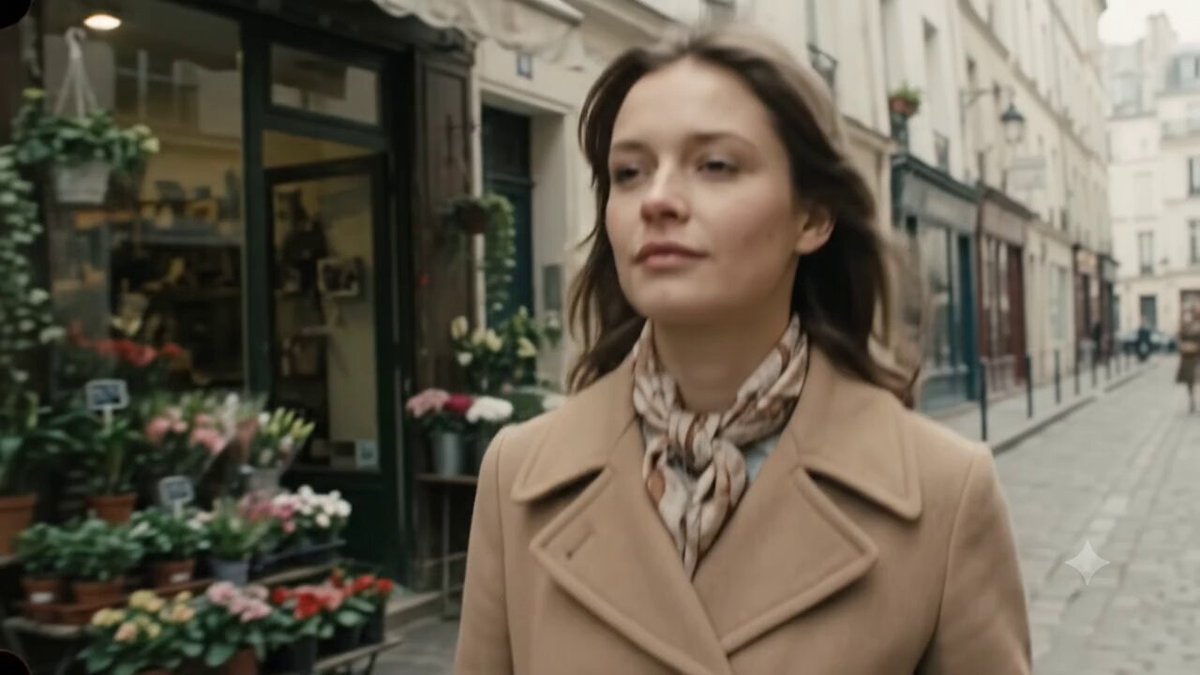
Creator @ushangul shared a practical prompt-crafting tip for directing vintage analog textures and documentary realism using a 16mm cinéma vérité approach. Designed for Gemini-based free video generation and generative AI video workflows, this prompt establishes a second-by-second (0–10s) timeline structure to control coarse film grain, organic lighting, and handheld camera physics.
Image source: X @ushangul
While conventional video prompts often focus exclusively on static atmosphere or general descriptions, this timeline-based workflow breaks down camera angles, subject actions, and environmental interactions across distinct temporal beats to maximize narrative consistency and visual momentum.
16mm Cinéma Vérité Aesthetics and Visual DNA
Cinéma vérité is a documentary movement dedicated to capturing raw, unmediated reality without artificial studio setups. Translating this ethos into generative video models requires a deliberate combination of lighting, optical imperfection, and physical camera cues:
- Lighting and Color: Eliminating synthetic three-point studio lighting in favor of pure natural light, warm analog palettes, and subtle edge light leaks.
- Camera Physics: Rejecting smooth gimbal sweeps or robotic pans in favor of authentic handheld camera shake, an uncalibrated shoulder rig, no optical stabilization, and soft, drifting focus.
- Film Emulation: Combining coarse 16mm film grain, authentic 1970s Parisian period details, subtle film weave, and a classic 4:3 aspect ratio.
The 0–10 Second Timeline Prompt Breakdown
The prompt divides a 10-second sequence into four distinct beats, ensuring smooth subject tracking and natural ambient storytelling.
Full Prompt Text
Raw textured 16mm cinéma vérité, realistic 1970s Paris documentary footage, natural film grain, pure natural light, pronounced shoulder-mounted handheld camera shake, no stabilization, gently drifting soft focus, subtle light leaks, raw yet elegant atmosphere, lived-in realism.

0-2s: [Close Handheld Tracking]
A mid-20s young woman with an unadorned, makeup-free face, soft natural features, wind-tousled hair, wearing a modest 1970s-style coat and scarf. She walks past a small flower shop along a Parisian alleyway. The camera tightly tracks her side profile and upper body as she briefly slows her pace, glances at the blossoms, and looks into the camera with a quiet, unpretentious expression. Natural, unforced beauty and presence.

2-5s: [Shaky Following Shot]
She continues walking out into a sunlit, bustling square. The camera follows slightly behind and to her side, swaying with every step. Children play nearby, pigeons scatter into the air, and passersby brush past. The soft Parisian sunlight and vibrant street energy fill the space.

5-8s: [Handheld Medium Shot]
A group of children chasing a ball suddenly cuts across her path. As one child nearly bumps into her, she gracefully steps aside with a soft, quiet smile, exchanging a brief glance with the child. The surrounding square remains lively and bustling.

8-10s: [Raw Tracking Shot]
She continues walking across the square while the camera tracks closely behind without stopping, capturing the lingering energy left by the children, the shifting natural light across her face, and the uncurated everyday rhythm of a 1970s Parisian street.

Hyper-realistic 16mm film emulation, dense organic film grain, authentic 1970s Paris period details, realistic skin texture, imperfect handheld camera physics, subtle film weave, coherent motion, pure cinéma vérité texture, clean output without digital noise or artifacts, 4:3 aspect ratio.
Shot-by-Shot Progression
- 0–2s (Close Handheld Tracking): Quickly establishes the protagonist's identity and historical period as she walks past a Parisian flower shop.
- 2–5s (Shaky Following Shot): Transitions from the narrow alley into an open, sunlit square, expanding spatial scale with pigeons, pedestrians, and ambient street life.
- 5–8s (Handheld Medium Shot): Introduces an unplanned, spontaneous interaction with running children, anchoring the documentary's unscripted feel.
- 8–10s (Raw Tracking Shot): Follows her motion and the changing sunlight, concluding the 10-second clip with a lingering, natural documentary rhythm.
Model Compatibility and Practical Caveats
When deploying this prompt across different AI video generation platforms, keep the following considerations in mind:
- Temporal Segment Recognition: Video models (such as Gemini) vary in how precisely their prompt interpreters parse timeline brackets (e.g.,
0-2s:). If a specific model struggles with multi-timestamp instructions within a single prompt, splitting the timeline into discrete individual scene generations and assembling them in post-production offers a reliable fallback. - Aspect Ratio Settings: Utilizing a vintage
4:3aspect ratio is critical. Modern 16:9 widescreen formats dilute the authentic archival feel of 16mm film stock. - Disabling Synthetic Smoothing: Because modern diffusion models default to unnaturally smooth, robotic motion, maintaining explicit negative prompts against optical stabilization and specifying shoulder-rig shake ensures authentic physical inertia.
Original source
- @ushangul on X: View Post