Dr. Ryuta Kawashima's Top 4 Brain Training Habits for Prefrontal Cortex Activation
An editorial examination of the top four brain-stimulating habits proposed by neuroscientist Dr. Ryuta Kawashima, exploring cognitive mechanisms and practical c
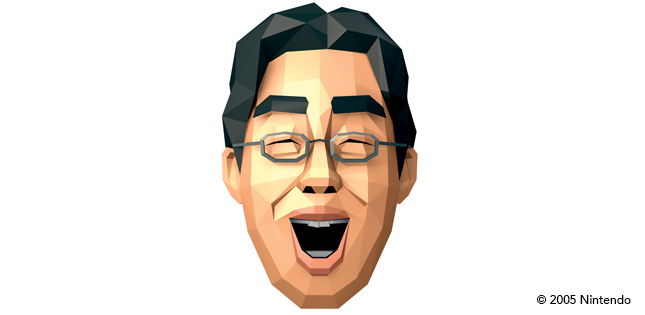
Image source: https://www.tohoku.ac.jp/en/research/research_highlights/research_highlight_22.html
Dr. Ryuta Kawashima, a neuroscientist at Tohoku University and supervisor of Nintendo's Brain Age series, has outlined four daily habits to stimulate brain performance, as shared by @wonla23 on X. This guide explains how simple routines activate the prefrontal cortex to enhance daily mental readiness.
Four Daily Habits for Brain Activation
The shared summary ranks four activities by their cognitive stimulation level. Ranked fourth is running, which increases cerebral blood flow and physical vitality. Ranked third is simple calculation; solving elementary arithmetic rapidly stimulates neural pathways more effectively than tackling stressful problems. Ranked second is reading, which exercises visual focus and linguistic comprehension. Ranked first is reading aloud, highlighted as the ultimate exercise because translating visual text into spoken sound while hearing one's own voice creates an intensive multisensory loop.
Prefrontal Cortex and Multisensory Mechanisms
Dr. Kawashima emphasized reading aloud with the claim that no activity stimulates the brain as strongly. The primary region engaged is the prefrontal cortex, the command center governing decision-making, working memory, attention, and executive thought. While silent reading primarily activates visual areas, reading aloud recruits motor speech areas, auditory circuits, and linguistic centers at once. This multisensory engagement sharply boosts blood flow and neural activity across the prefrontal cortex, offering a direct antidote to passive mental sluggishness.
Source Limitations and Balanced Application
Readers should consider several practical caveats. First, the source post is an informational summary lacking detailed experimental protocols, such as optimal duration and frequency. Second, temporary prefrontal activation does not automatically mean permanent cognitive gains; sustained mental health requires adequate sleep and nutrition. Third, extreme combinations, like reading aloud while running, add unnecessary strain. A grounded approach separates these habits into brief routines, like reading an article aloud for five minutes or solving quick math before starting daily work.
Original source
- Post on X (formerly Twitter): Original post by @wonla23 on Dr. Kawashima's Brain Training