5 Visual Storytelling Techniques to Enhance Immersion in AI Video Production
Discover five practical cinematic staging techniques from LunaKim to elevate AI videos, from partial character reveals to ambient reaction shots and dynamic pro
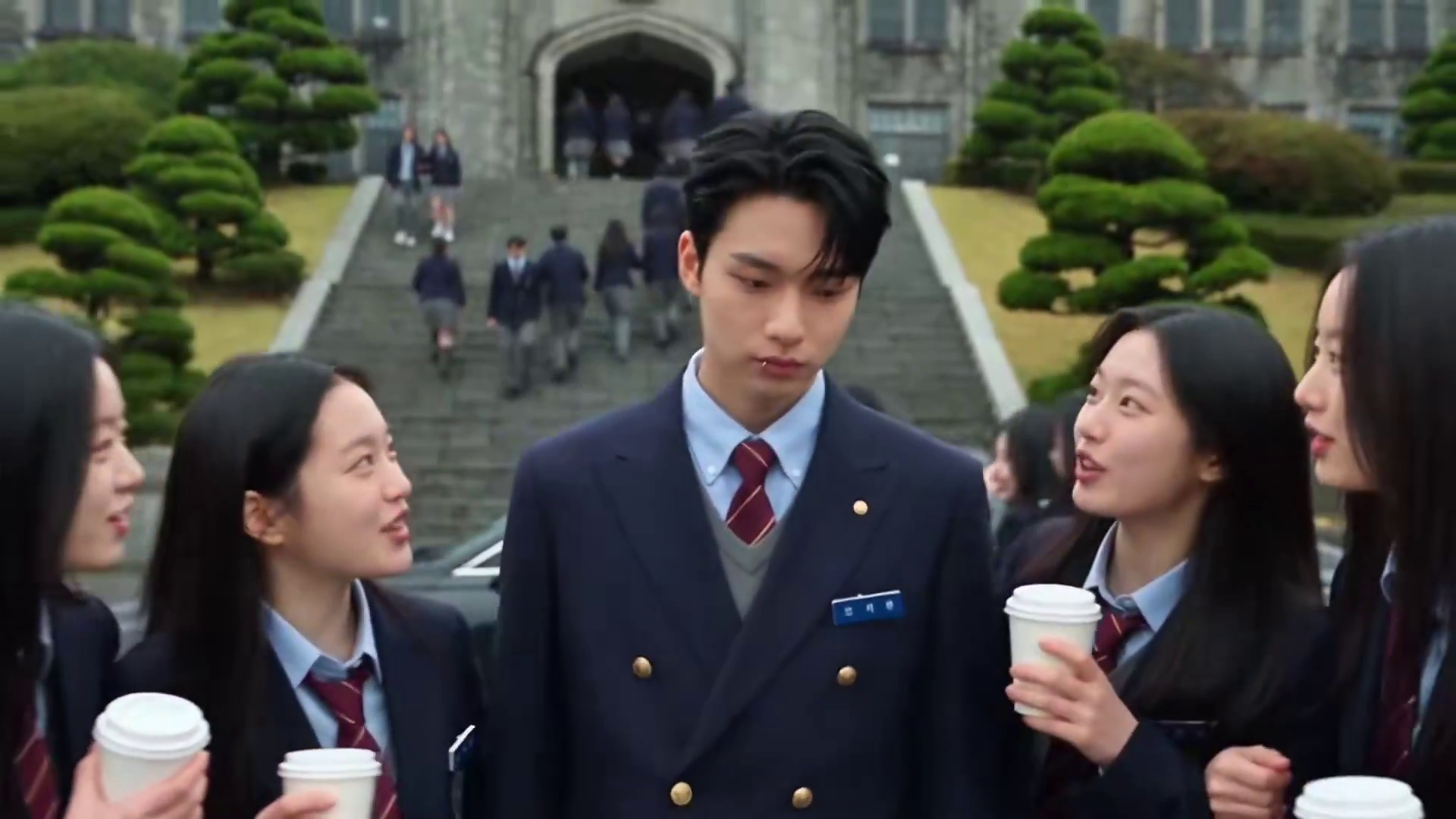
Rapid improvements in modern generative video tooling have made producing individual high-fidelity frames remarkably accessible, yet stringing together isolated character portraits rarely sustains meaningful audience engagement over time. Analyzing a viral production by melody_aiagency that achieved over 9 million views and 669,000 likes on social platforms, digital creator LunaKim (@checheluna3) highlighted that compelling AI video storytelling relies less on raw prompt complexity than on the deliberate adaptation of traditional cinematic staging rules. This breakdown outlines five foundational techniques designed to replace superficial visual showcases with structured narrative tension, curiosity generation, and emotional resonance within practical creative workflows.
1. Incremental Character Reveals and Contextual Social Proof
Rather than exposing a character's complete facial design in the very first second, LunaKim emphasizes building viewer anticipation through a disciplined sequence of partial glimpses. Framing the opening around an expressive hand movement, a specific lip piercing, or the texture of footwear establishes tangible identity markers before revealing the overall face. This deliberate pacing invites the audience to infer persona, demeanor, and background context through wardrobe and accessories, making the eventual full-face revelation significantly more impactful than an immediate, unearned portrait shot.
Complementing this entry strategy is the staging of social proof through surrounding extras. An attractive protagonist posing alone against a generic backdrop communicates visual polish but lacks narrative momentum. By intentionally scripting the reactions of ambient background bystanders—people turning their heads, pausing their stride, or whispering in curiosity—the creator prompts viewers to share that exact intrigue. When constructing generative scenes, creators should treat ambient onlooker actions as essential narrative assets rather than empty decorative filler.
2. Contrast in Emotional Reactions and Grounding Environmental Inserts
The third principle focuses on creating psychological contrast within the scene rather than applying uniform crowd behavior. While casual onlookers actively display fascination toward the protagonist, positioning a co-star or counterpart who remains completely indifferent immediately establishes a compelling narrative dynamic. Defining who actively gazes, who turns away, and who walks past unbothered before introducing dialogue creates dramatic friction purely through spatial visual hierarchies.
To counter the uncanny polish common in AI-generated media, the fourth recommendation injects grounding B-roll inserts between dramatic facial shots. Repeated sequences of intense character close-ups tend to flatten narrative pacing and highlight generative artifacts. Introducing environmental textures—such as rain-slicked vehicle panels, delicate window reflections, windblown leaves on pavement, or students crossing the foreground—anchors the characters securely to their physical reality. These cutaways provide vital visual breathing room while tying characters directly into their surrounding atmosphere.
3. Dynamic Proximity Across Settings and Pipeline Caveats
The final storytelling rule involves shifting physical proximity, sightlines, and crowd density whenever the setting changes. For instance, placing two figures amid a crowded school hallway, bringing them face-to-face across a quiet library aisle, and finally isolating them completely inside a ferris wheel car creates escalating narrative intimacy. Modulating spatial distance and bystander volume across distinct locations generates fresh dramatic tension using the exact same two characters without requiring redundant exposition.
While conceptually straightforward, applying these techniques inside current generative pipelines involves notable technical hurdles. Maintaining strict asset consistency across detailed close-ups of specific piercings, hands, and garments remains challenging with standard generative diffusion checkpoints. Furthermore, directing complex gaze vectors across separate character renders often demands tedious inpainting, control guidance, and selective compositing passes. LunaKim suggests framing each striking visual beat with an immediate reactionary cut, ensuring that every visually arresting moment is directly mirrored by an observable emotional shift in a responding character.