@angeldot_ Shares a 15-Agent Autonomous Loop Built from One Prompt and Graph Engineering
According to @angeldot_, a central graph deploys 15 autonomous agents and automatically routes 120 connections from a roughly 200-word prompt; continuously upda
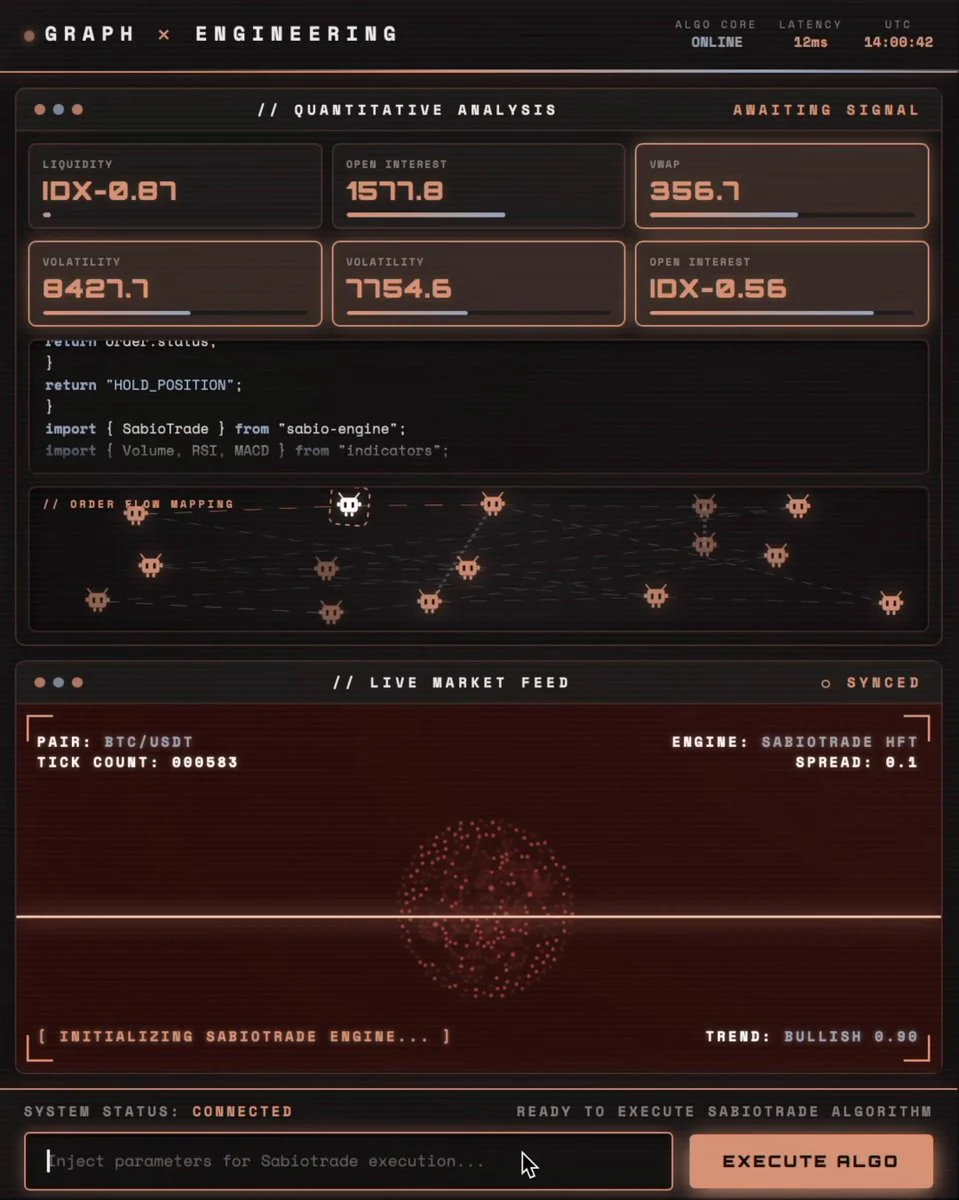
@angeldot_ shared an architecture that, according to the post, combines graph engineering with a roughly 200-word prompt to deploy 15 autonomous agents in a loop.
Image source: @angeldot_
According to @angeldot_, most developers still build multi-agent systems manually, writing separate logic for each task. The post says a central graph defines the architecture and deploys all 15 agents simultaneously.
Single Prompt Routing 120 Agent Connections
The post says a prompt of roughly 200 words generates the complete structure.
- Automated Interconnection: According to the post, the prompt automatically routes 120 connections between agents.
- Real-Time Context Exchange: The post says all agents exchange context in real time across the graph.
Self-Correction via Continuously Updated Shared State
According to @angeldot_, these agents do not break when they receive conflicting instructions.
- Continuously Updated Shared State: The post attributes agent coordination to shared state that updates continuously.
- Peer Correction: When instructions conflict, the post says agents correct one another through the continuously updated shared state.
Infrastructure Constraints for a 15-Node Mesh
The post says managing a 15-node mesh requires high performance and a low-latency API.
- Low-Latency API: Because agents exchange context in real time, the post says the mesh requires a low-latency API.
- High Performance: The post also identifies high performance as a requirement for managing the 15-node mesh.