Enhancing AI Coding Agent Performance with Local Code Knowledge Graphs and Prompt Optimization: CodeGraph and OpenCode v2.3.2
Explore CodeGraph for indexing codebases into local SQLite knowledge graphs, OpenCode Browse for browser integration, and OpenCode v2.3.2 for dramatic token cos
As artificial intelligence-driven coding assistants become widely adopted, how efficiently large language models understand and navigate massive source codebases has emerged as a critical factor for developer productivity. In large projects, feeding all files to a model at once is unfeasible, making precise indexing technologies and standardized agent communication protocols essential.
To overcome these limitations, the developer community and open-source ecosystem have introduced new toolkits that analyze code structures in local environments as graphs and dramatically reduce token usage. This article examines the core updates from CodeGraph, which structures codebases into local databases, OpenCode Browse, which integrates with actual web browsers, and OpenCode v2.3.2, which slashes token consumption.
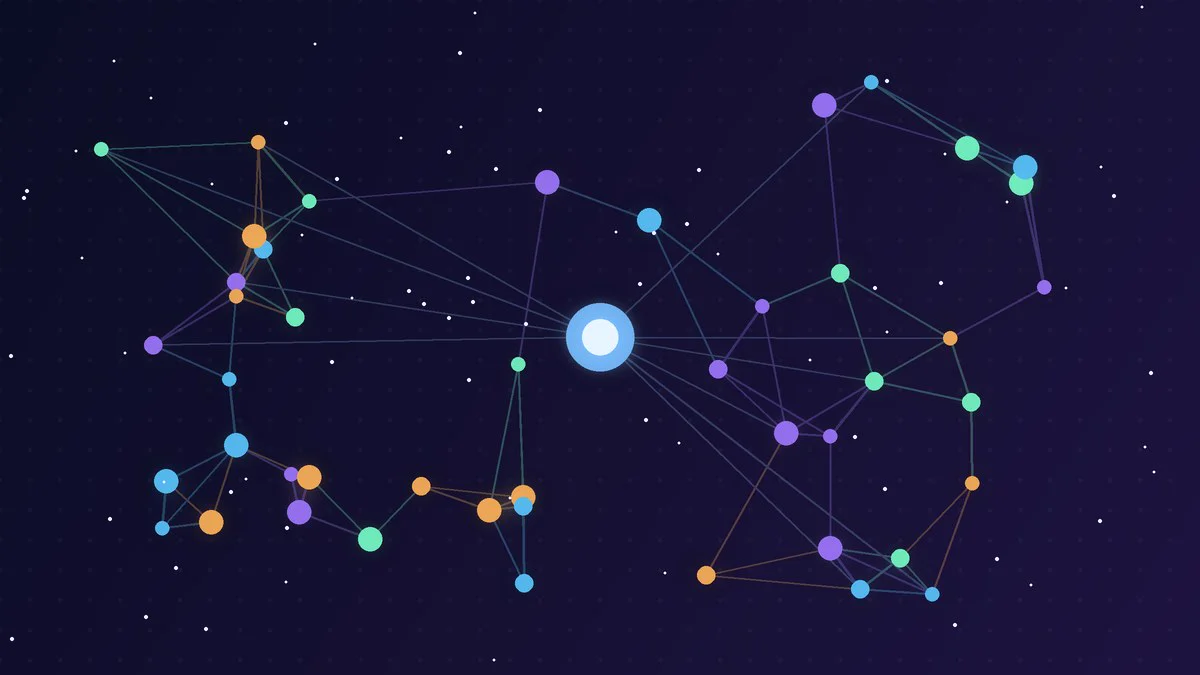
Image source: https://crazycoderslab.com/codegraph-local-code-knowledge-graph-mcp-ai-coding-agents-claude-code-cursor-codex-github-2026
CodeGraph (v1.6.3): Local SQLite-Based Code Knowledge Graphs and Single MCP Tool
When developers need to understand where a specific function is called or how it impacts other files in a complex codebase, it takes significant time. AI coding assistants facing this task manually also suffer from excessive file-read requests and slower response times.
colbymchenry/codegraph (version 1.6.3) indexes an entire project's source code structure into a local SQLite database file. SQLite is a lightweight, embedded database operating via a single file without requiring complex server configurations.
- Single MCP Interface (
codegraph_explore): CodeGraph supports theModel Context Protocol(MCP), an open standard enabling AI models to safely interact with external tools. Instead of writing complex queries manually, the agent can invoke a single tool,codegraph_explore, to instantly retrieve call paths and impact scopes across the codebase. - Offline and Privacy-Focused: By building graph structures locally without uploading source code to external cloud servers, it ensures security in enterprise environments.
OpenCode Browse v0.1.0: A Rust-Based MCP Sharing Real Browser Tabs and Logins
Modern web application development requires real-time inspection of frontend UI behavior, authentication sessions, and browser console logs alongside APIs. Traditional automated browsers run as isolated independent instances, making it cumbersome to leverage existing developer login sessions.
The newly released OpenCode Browse v0.1.0 is an MCP tool written in the high-performance and reliable Rust programming language.
- Real Browser Integration: It seamlessly shares the actual browser tabs and login sessions that developers use in their daily workflows.
- Agent Web Control: It empowers AI coding assistants to inspect web elements and test real-time interactions within the user's active browser environment without repetitive authentication hurdles.
OpenCode v2.3.2: Dramatic Reduction in GPT-6.2 Per-Step Uncached Input Tokens
One of the biggest financial burdens when using AI coding assistants is the massive token (basic units of text processed by AI) cost generated by repeatedly querying large codebases. Uncached input tokens are a primary driver of soaring API expenses.
The OpenCode v2.3.2 update fundamentally addresses this issue in the GPT-6.2 model environment.
- Massive Uncached Token Savings: It slashes the number of uncached input tokens per step from 14,000 down to just 3 tokens.
- Enhanced Cost Efficiency: By intelligently compressing and managing redundant data during repetitive context transmission, it enables developers working on large projects to run agents for extended periods without prohibitive cost pressures.
Practical Implications and Workflow Adoption in Development
The tools and updates released here directly target two persistent bottlenecks for AI coding assistants: inefficient code structure comprehension and excessive token costs.
By accurately indexing project structures with local SQLite-based CodeGraph and minimizing API token expenses via OpenCode v2.3.2, individual developers and small teams can operate high-performance AI agents much more economically and agilely. However, when adopting local indexing tools, it is advisable to check initial build times and disk space usage relative to project scale.
Sources
- Crazy Coders Lab: CodeGraph Local Code Knowledge Graph and MCP AI Coding Agents