AI Video and Design Automation Workflow Highlighted by Claude and Higgsfield MCP Integration
A demonstration showcasing video editing and design automation using Claude combined with Higgsfield MCP (Model Context Protocol) has sparked major discussions
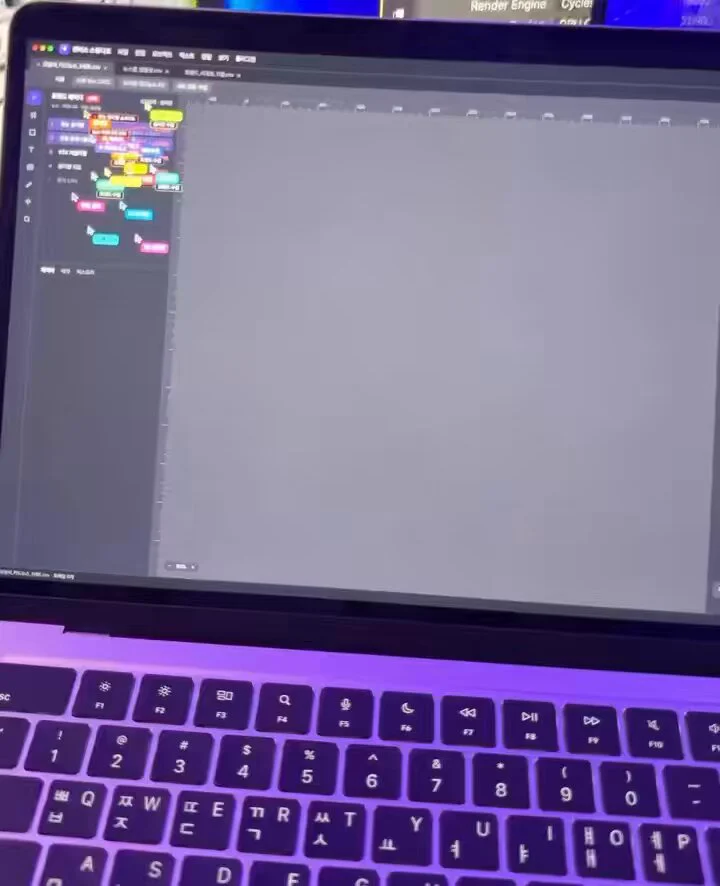
Recently, a demonstration video showcasing artificial intelligence-driven video editing and design automation shared on X (formerly Twitter) has generated widespread attention among creators and developers. Posted by user @travelman777, the showcase combines Anthropic’s Claude large language model family with Higgsfield’s video and graphic generation capabilities via MCP (Model Context Protocol).
Image source: https://x.com/travelman777/status/2125630516397490445
Demonstrating how complex video cut-editing and design arrangements can be processed instantly through simple prompt inputs, the video has sent a strong ripple effect through creative and editing professions historically reliant on repetitive manual tasks. This article explores the technical background behind this integration, the nuances of the simulation, and the broader industry discussions regarding its practical application.
When Higgsfield MCP Meets Claude: Transforming Workflows
The core keyword of this demonstration is MCP (Model Context Protocol). MCP is an open standard protocol that allows AI models to communicate securely and reliably with external data sources, file systems, and specialized software tools. By entering natural language instructions in a chat interface, users can direct the AI to invoke external tool APIs and execute tasks directly.
The demonstration linked a Claude-based environment (such as Claude Fable 5.2) with Higgsfield's multimodal and video processing features. This allowed users to handle video editing and design asset placement purely through prompt instructions without manually navigating complex tool menus. This represents a prime example of how agent-based automation workflows, once restricted to software development, are rapidly expanding into creative domains like video editing and UI/UX design.
Simulation Nuances and Real-World Practicality
While the demonstration video garnered explosive interest, discussions and validations regarding its actual operational mechanics and production readiness quickly followed among users. The original author clarified in follow-up posts that the video was a simulation and animation designed to visually convey the workflow concept, acknowledging the gap between the polished demo and live software execution.
Industry experts and community members generally agreed on the promise of the automation concept while debating its real-world viability in professional production environments. In professional video production and graphic design, variables such as output quality, the ability to handle nuanced client feedback, token consumption, and compute costs are critical. Unlike curated demonstrations, real-world deployment often encounters errors and fine-control limitations, reinforcing the consensus that such tools should currently be viewed as workflow assistants rather than immediate replacements.
Redefining Creator Competitiveness in the Age of AI
The emergence of high-performance AI automation tools brings both deep anxiety and a catalyst for reflection among creative professionals. Comments highlighting that basic typing speed or manual software proficiency are no longer sufficient competitive edges reflect a growing industry realization: professionals must learn to leverage AI as a leverage tool to produce differentiated outcomes.
Ultimately, as the pace of technological advancement outpaces expectations, creators find themselves at an inflection point where relying solely on manual execution skills is no longer enough. Strengthening conceptual planning, storytelling, and the directorial capability to review and refine AI-generated outputs is becoming essential. Experimental milestones like the integration of Higgsfield MCP and Claude clearly signal that this wave of transformation is already underway.
Sources
- X (formerly Twitter) @travelman777: Demonstration Share Post on Claude Fable 5.2 and Higgsfield MCP Integration