Claude Code Projects Adds Local PC Integration and Hybrid Parallel Threads: Rolling Out to Pro and Max Users with Waitlist Open
Anthropic has introduced hybrid parallel thread execution to Claude Code Projects, bridging persistent cloud sessions with local computer access. Long-running t
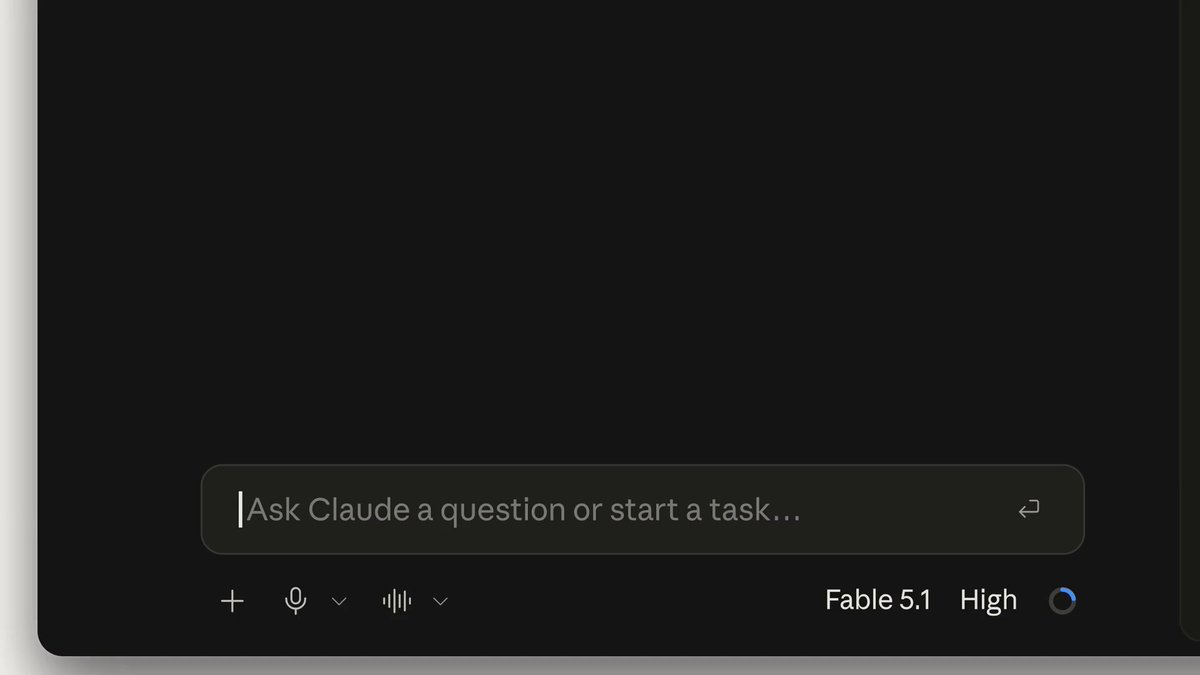
In October 2026, Anthropic expanded execution capabilities for Claude Code Projects, officially introducing hybrid parallel threads that seamlessly bridge persistent cloud sessions with local computer access, alongside a phased beta rollout and early access waitlist for Pro and Max subscribers.
Image source: Prompt_what (@Promptwhat / X)
The update addresses a foundational architectural challenge in cloud-hosted AI coding agents: the isolation barrier preventing agents from reaching local files, private databases, and machine-specific developer tools. Routine parallel workloads run autonomously inside managed cloud sessions without tying up local hardware, while subtasks that strictly require local environments can selectively invoke the user's desktop machine.
'From Folders to Conversations': The Hybrid Thread Architecture
Building upon Anthropic's mid-September 2026 architectural redesign centered on moving "from folder to conversation," Claude Code Projects functions as a dynamic operational command center rather than a passive document shelf. Within a unified conversational interface, developers define high-level goals, and Claude automatically decomposes the objective into parallel worker threads.
Each worker thread normally runs as an independent Claude Code cloud session, operating on its own Git branch and repository clone to execute tests, resolve issues, and assemble pull requests. The newly introduced hybrid framework bridges this cloud orchestration pipeline directly with local workstation environments.
- Persistent Cloud Execution: Core threads execute entirely within cloud sessions. They continue uninterrupted even after closing a laptop or stepping away from a workstation, allowing developers to monitor ongoing status and issue steering directives from mobile devices (iOS and Android).
- On-Demand Local Machine Invocation: When a specific task requires resources accessible only on the user's computer—such as an on-device database, local device emulator, proprietary internal APIs behind an enterprise VPN, or local build scripts—developers can instruct Claude to run that particular thread locally via remote machine control.
Practical Operational Benefits and System Constraints
The hybrid execution model combines the scalability of cloud-hosted multi-agent systems with the tactile environment access of local developer setups.
- Bridging the Cloud Isolation Divide: Developers are no longer forced to choose between the scalability of cloud runners and the immediate resource access of local terminal agents. Cloud instances handle broad, parallel tasks while borrowing local workstation power only when hardware-specific operations demand it.
- Unified Memory Across Execution Boundaries: Every newly spawned thread initializes with the project's instructions, repositories, and shared state stored in the
MEMORY.mdindex file, maintaining contextual continuity across both cloud-hosted and local execution threads.
However, developers must account for distinct operational requirements and design tradeoffs:
- Workstation Power and Wake Requirements: Unlike cloud threads that persist indefinitely across remote servers, local execution threads depend directly on the physical host machine remaining powered on, awake, and network-connected.
- Workload Routing Best Practices: When an entire workflow requires full machine access (such as debugging an exclusively on-premise hardware interface), Anthropic recommends using a dedicated local session or the multi-agent view rather than Projects. Conversely, if a task only needs static local files, uploading them directly to the Project Library remains the more efficient route.
Availability, Platform Support, and Waitlist Access
The hybrid parallel thread capability is being released through a progressive rollout schedule.
- Phased Pro and Max Rollout: The feature is currently rolling out in stages to Pro and Max plan subscribers. Accounts that have not yet received access can register their interest via Anthropic's official waitlist portal (
claude.com/form/projects). - Supported Surfaces: Supported environments include Projects within the
claude.ai/codeweb sidebar, the Code tab in the official Claude Desktop application, and the iOS and Android mobile apps. - Current Platform Scope: Team and Enterprise plan support is not included in the initial rollout and is scheduled for a broader release later. Direct invocation through standalone terminal CLI sessions and enterprise cloud hosting platforms (Amazon Bedrock, Google Cloud Agent Platform, and Microsoft Foundry) remains unavailable at this time.
Sources
- Anthropic Claude Code Documentation: Claude Projects Technical Guide
- Anthropic Official Waitlist: Claude Projects Early Access Form
- Prompt_what (@Promptwhat / X): Claude Projects Hybrid Threads and Local Folder Access Announcement